
Lieferung heute & morgen

Qualitätsgarantie

Willkommens-Angebote freischalten: KOSTENLOSE Lieferung | Bis zu 80 % RABATT | Kostenlose 30-Tage-JoyPlus-Testphase
App herunterladen
A face serum can be a targeted addition to your skincare routine, but it is not automatically an effective all-round product. Vitamin C serum, retinal serum, niacinamide serum and hydrating serum differ significantly in terms of active ingredients, concentration, texture and how they are used. If you buy based on big marketing claims or eye-catching packaging alone, you may easily end up with a product that does not suit your skin.
A high concentration of active ingredients sounds convincing at first. However, on its own it says little about tolerance or suitability. What also matters is the specific form of the active ingredient, the rest of the formulation and how you plan to use it.
For example, a vitamin C serum may contain pure ascorbic acid or a more stable derivative. A retinal serum is often recommended for evening use only and should be introduced into your routine gradually. For sensitive skin, a gentle start with just a few applications per week makes sense.
Terms like “brightening”, “radiance” or “glow” can refer to different properties depending on the formulation: more hydration, a smoother-looking surface or a more even-looking skin tone. A serum for pigmentation should therefore not be chosen based on the product name alone. Check the full INCI list and look for clearly listed ingredients such as niacinamide, vitamin C derivatives, azelaic acid or tranexamic acid.
Even a serum marketed as gentle can cause redness or stinging in some individuals. Fragrances, essential oils, alcohol or several active ingredients in one formulation are particularly important to watch for if you have sensitive skin. A patch test is recommended before the first full application. If irritation persists, you should stop using the product.
In the European Union, the ingredients list is always given in descending order, with exceptions for certain concentration ranges. Check whether the advertised active ingredient actually appears on the INCI list. For a product with multiple active ingredients, it is also important whether the combination fits with the rest of your routine.
A K-beauty serum often contains plant extracts, ferments or several humectants. This can result in a light, hydrating texture, but it also increases the number of ingredients that sensitive skin may react to.
Ingredients that are sensitive to light and oxygen need protective packaging. A pump dispenser or a well-sealed, light-protected bottle can be more practical for such formulations than a jar that is opened frequently. Also note the shelf life, batch number and the instructions on the actual packaging, as formulations and details may be updated per batch.
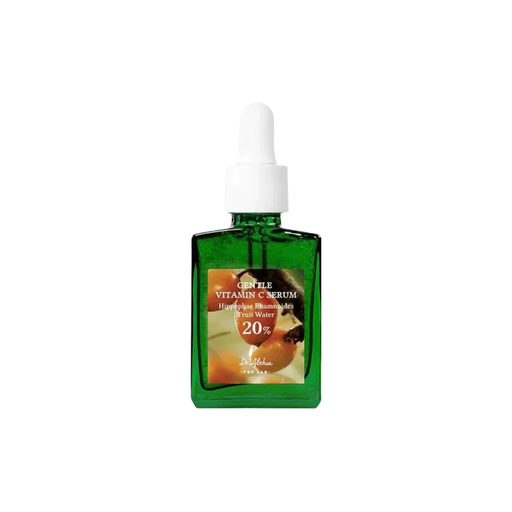
Why this product fits the profile: The lightweight formula contains 20 % sea buckthorn fruit extract as well as niacinamide and an oil capsule system. It is suitable for those looking for a hydrating vitamin C serum with straightforward use.
The product description names specific ingredients and advises on patch testing, storage and discontinuing use if irritation occurs, rather than relying solely on a vague glow promise.
20 % sea buckthorn fruit extract, niacinamide, lightweight texture and guidance for sensitive skin.
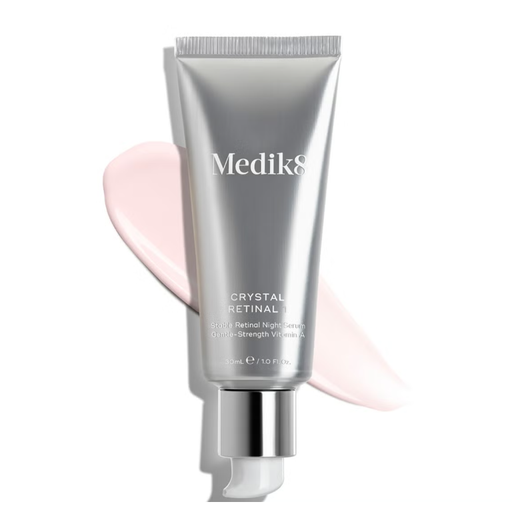
Why this product fits the profile: If you are looking for a retinal serum with a clearly stated concentration, this offers a formulation with 0.01 % stabilised retinal as well as hyaluronic acid, glycerin and vitamin E.
The low, clearly stated retinal concentration and the gradual usage plan help you build up your routine in a controlled way. Sun protection in the morning is explicitly recommended.
0.01 % stabilised retinal, humectants and clear guidance on gradual acclimatisation.
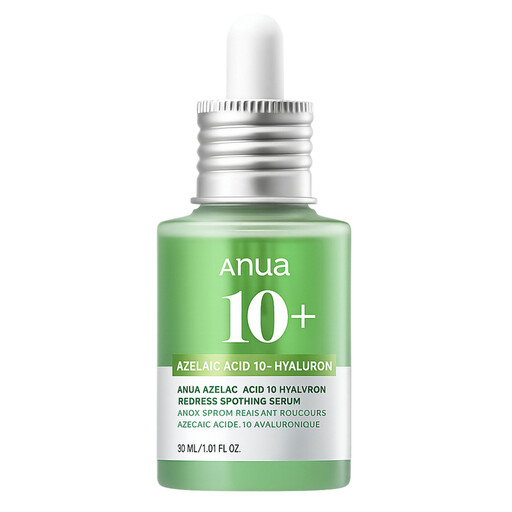
Why this product fits the profile: For sensitive skin prone to redness or blemishes, the formula offers 10 % azelaic acid, hyaluronic acid, panthenol and several centella asiatica extracts.
According to the product details, use starts with one to two applications per week. This helps avoid applying an active ingredient too frequently from the outset.
10 % azelaic acid, hyaluronic acid, panthenol and guidance on patch testing and sun protection.
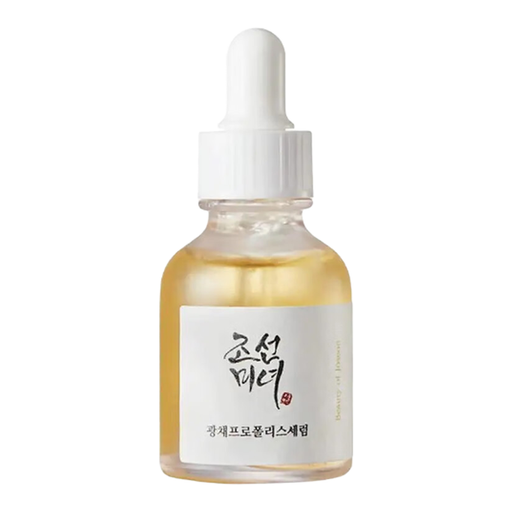
Why this product fits the profile: This K-beauty serum combines 60 % propolis extract with 2 % niacinamide and is aimed at those who prefer a light, hydrating product for a more even-looking complexion.
The stated concentrations make it easier to assess the product. However, a tolerance test is still advisable for propolis or plant-based ingredients.
60 % propolis extract, 2 % niacinamide and a light, honey-like texture.
We have put together a full, regularly updated list of products that fully meet these strict selection criteria and the safety regulations in force in the EU.
Apply the face serum after cleansing and, if you use one, after toner. One to a few drops are usually enough; follow the manufacturer's instructions. Then apply a moisturiser. In the morning, sunscreen should be the final step, especially when using vitamin A derivatives and brightening skincare products.
Do not use several strong active ingredients at the same time to begin with. This makes it easier to see which product your skin tolerates. With a retinal serum, a gradual build-up is recommended. Vitamin C, niacinamide and azelaic acid can be combined depending on the formulation, but they do not have to be used together.
It depends on the active ingredient and your skin's tolerance. A hydrating serum is often used both morning and evening. With retinal or azelaic acid, starting with one to two applications per week makes sense. The instructions on the packaging and product page take priority.
Refer to the best-before date and the open-jar symbol, if present. Formulations sensitive to light and oxygen should be stored in a cool, dry place away from direct sunlight. Changes in smell, colour or consistency are a reason to stop using the product.
A serum for sensitive skin should have a short INCI list and as few potential irritants as possible. Panthenol, glycerin, hyaluronic acid and centella asiatica extracts are often used in gentle formulations. Even so, a patch test is advisable, because individual reactions cannot be predicted from the product name alone.