
Lieferung heute & morgen

Qualitätsgarantie

Willkommens-Angebote freischalten: KOSTENLOSE Lieferung | Bis zu 80 % RABATT | Kostenlose 30-Tage-JoyPlus-Testphase
App herunterladen
A face serum can be a targeted addition to your skincare routine, but it is not automatically a one-size-fits-all product. Many purchasing decisions fail not because of the price, but because of unclear ingredient choices: a retinal serum used too often on sensitive skin, an acid serum combined with another exfoliant, or a brightening face serum used without consistent sun protection.
A higher concentration is not automatically right for your skin. Retinol, retinal, AHA, BHA and certain vitamin C derivatives can cause redness, tightness or peeling if used incorrectly. What matters are the type of active ingredient, frequency of use and skin tolerance.
Labels such as “firming serum”, “anti-ageing serum” or “serum for dark spots” initially describe a product’s positioning. To compare properly, you should look at the actual ingredients listed. Relevant ones may include niacinamide, hyaluronic acid, retinal, retinol, bakuchiol, peptides or fruit acids.
A hydrating serum with hyaluronic acid can usually be integrated into a routine without fuss. The same is not true for a retinol serum or an AHA/BHA product. If several intensive products are used at the same time, it becomes harder to identify the cause of any irritation. A gradual introduction is therefore more practical.
The percentage alone is not enough. What matters is whether an active ingredient is stabilised, encapsulated or combined with soothing and moisturising components. With a retinal serum, you should also check whether a gradual acclimatisation phase is recommended.
Texture also plays a role: a light, watery serum may suit oily skin, while a creamier formulation with squalane or oils can feel more comfortable on dry skin. Actual tolerance remains individual.
Retinoids and certain brightening ingredients are sensitive to light or air. A well-sealed, light-protected packaging is therefore practical. After opening, pay attention to the PAO symbol, expiry date and batch number on the packaging.
With AHA, BHA, retinol or retinal, sun protection should be part of your daytime routine. New products should first be tested on a small area of skin. If persistent burning, noticeable redness or swelling occurs, stop using the product and seek medical advice if necessary.
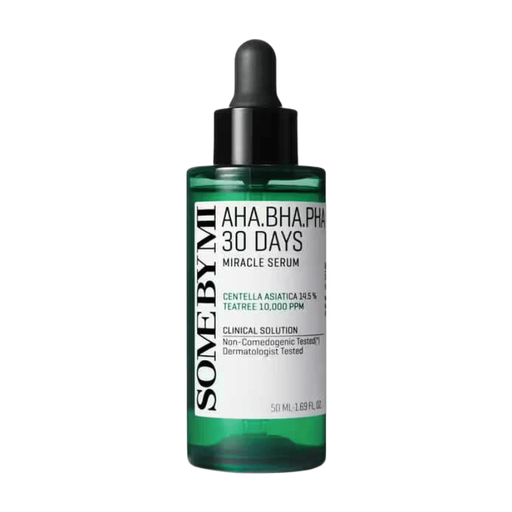
Why this product fits the profile: This two-phase serum combines AHA, BHA and PHA with centella asiatica extract, niacinamide and tea tree water. It is aimed at those looking for a serum for oily or blemish-prone skin.
The product description explicitly advises shaking before use and performing a patch test. Because it contains AHA and BHA, it should not be used alongside other exfoliants.
Triple acid combination, centella asiatica and multiple forms of hyaluronic acid; 50 ml bottle for regular use.
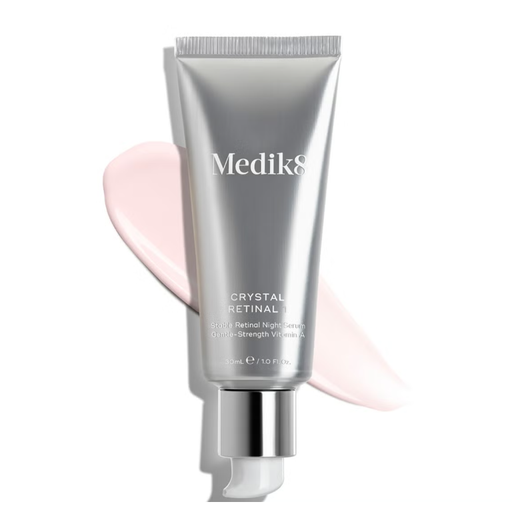
Why this product fits the profile: According to the product description, this contains 0.01% stabilised retinal as well as glycerin, hyaluronic acid and vitamin E. The graduated application is relevant for shoppers who want to integrate a retinal serum into their evening routine in a structured way.
The recommended progression from twice weekly to more frequent use reduces the risk of starting too quickly. Morning sun protection is explicitly mentioned.
Clearly stated retinal concentration and step-by-step application suggestion; supplemented with humectants and vitamin E.
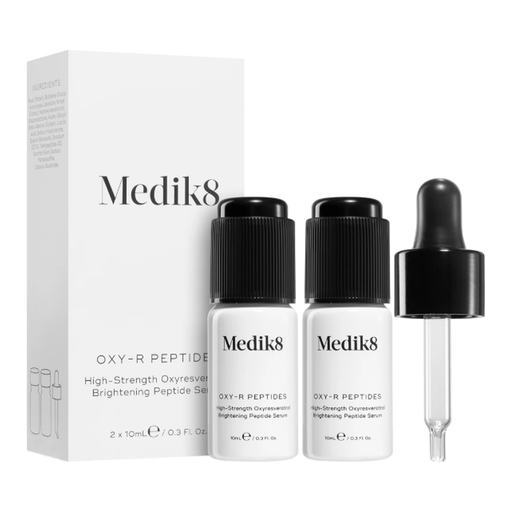
Why this product fits the profile: As a brightening face serum, it contains 1% oxyresveratrol, tetrapeptide-30 and hyaluronic acid according to the product description. The two-bottle packaging with an activation step is interesting for users who pay attention to storage and usage period.
The instructions mention an activation step, room temperature storage and use within six weeks of opening. This makes the application timeline clearer to plan.
Stated ingredient combination with oxyresveratrol and peptide; precise instructions on activation and usage.
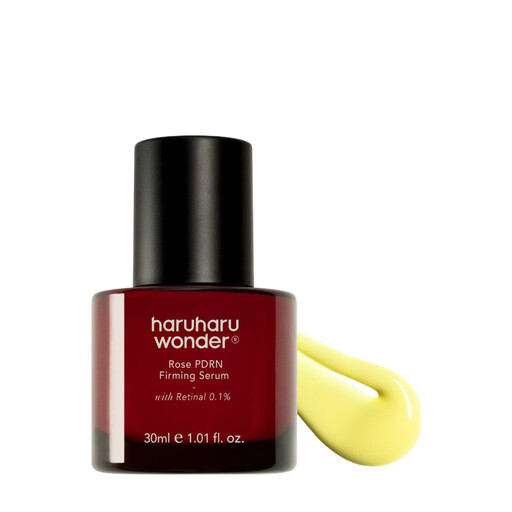
Why this product fits the profile: This serum combines niacinamide, panthenol, ceramide NP, squalane and multiple forms of hyaluronic acid. It suits users looking for a hydrating serum focused on skin feel and comfort.
The formulation does not rely on AHA, BHA, retinol or retinal. This can keep your routine simpler, but it does not replace a patch test for sensitive skin.
Multiple forms of hyaluronic acid, panthenol, ceramide NP and squalane in a 30 ml formulation.
We have put together a full, regularly updated list of products that fully meet these strict selection criteria and the safety regulations in force in the EU.
A serum is normally applied after cleansing and, if applicable, after a toner. A few drops or the amount stated on the packaging are sufficient. Afterwards, follow with a moisturiser; in the morning, you should also use a suitable sunscreen.
For retinol and retinal products, a slow start is recommended, for example on two evenings per week. A Korean face serum is not automatically milder or stronger than another product. What matters remains the INCI list, concentration, texture and usage instructions.
The PAO symbol and the printed expiry date are decisive. Products that are sensitive to light, air or temperature should be kept closed and stored according to the manufacturer's instructions. If the smell, colour or consistency changes, the product should no longer be used.
That depends on the formulation and your individual tolerance. New users should start with a few applications per week and only increase the frequency slowly. Retinol or retinal products should not be used during pregnancy or breastfeeding without consulting a doctor. Sun protection is especially important during the day.
Look for clearly listed active ingredients such as niacinamide, peptides or oxyresveratrol, and combine your routine with consistent sun protection. For new, changing or unclear skin discolouration, a dermatological check-up is advisable.