
Lieferung heute & morgen

Qualitätsgarantie

Willkommens-Angebote freischalten: KOSTENLOSE Lieferung | Bis zu 80 % RABATT | Kostenlose 30-Tage-JoyPlus-Testphase
App herunterladen
A face serum can be a targeted addition to your daily skincare routine. Its lightweight texture often contains higher concentrations of active ingredients than a standard face cream. What really matters, however, isn't the longest ingredient list, but the right combination of your skin's needs, how you use it, and how well your skin tolerates it.
Labels like "highly concentrated" or eye-catching percentage figures can be convincing. On their own, though, they don't tell you much about how suitable a product is for everyday use. A niacinamide serum with 5 % may be perfectly adequate for many routines, while a very strongly formulated product might not sit well with sensitive skin or fit into your existing regimen. You should also consider other ingredients, fragrances and the overall formulation.
This claim doesn't account for every individual reaction. A hydrating serum with hyaluronic acid could be appealing for dry skin, whereas fragrances or certain plant extracts may not be suitable for some people. If you know you have an intolerance, the current INCI list on the packaging is what you should rely on.
A serum for dark spots or a serum for wrinkles is no substitute for sun protection or a consistent basic skincare routine. Claims about brightening, smoothing or firming should be understood as cosmetic product properties, not medical promises. For daytime use, an appropriate sunscreen should always be part of your routine when using active ingredients.
A light gel serum usually absorbs quickly and can be worn under a cream or sunscreen. Richer textures may feel more comfortable for dry skin. Also check the recommended amount: some products are applied in drops, others with a pump or as individual ampoules.
For sensitive or blemish-prone skin, claims such as "free from artificial fragrances", "alcohol-free" or "non-comedogenic" are relevant, provided the manufacturer states them. Even so, it's still a good idea to do a patch test on a small area of skin. Products should not be applied to broken or severely irritated skin. With eye serums, avoid contact with the eyeball.
The INCI list on the physical packaging should always take priority, as formulations can be updated. Extra precautions apply to retinoids. Pregnant women, those planning a pregnancy and breastfeeding mothers should only use products containing retinol or retinal after consulting a doctor.
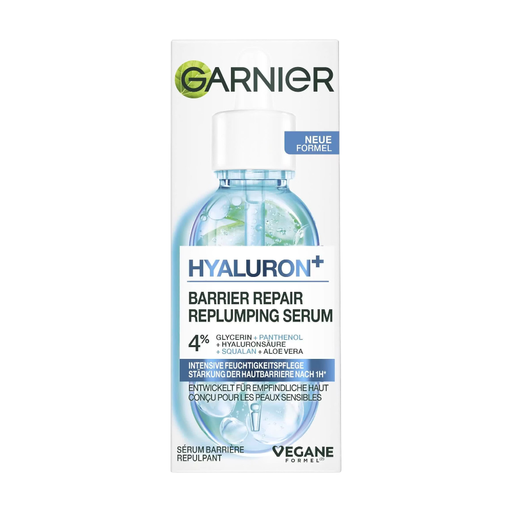
Why this product fits the profile: The straightforward formulation with glycerin, aloe vera leaf juice and sodium hyaluronate makes it a simple entry point into a hydration-focused routine.
The focus is on hydration rather than a long list of intensive active ingredients. This makes it easier to observe how your skin tolerates it.
30 ml content, aloe vera component and hyaluronic acid; the formula also contains perfume.
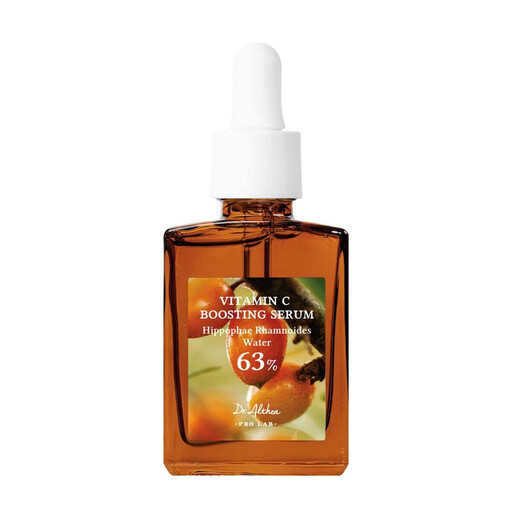
Why this product fits the profile: The formula combines 5 % niacinamide, 2 % tranexamic acid, vitamin C derivatives, panthenol and ceramide NP. It's aimed at users who prefer several clearly named groups of active ingredients.
The selection of active ingredients is clearly stated. According to the product information, the formula is free from artificial colours and fragrances.
30 ml content, lightweight texture and several humectants such as glycerin and various forms of hyaluronic acid.
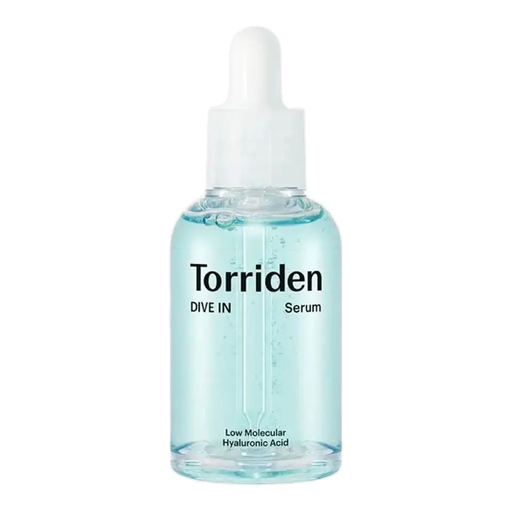
Why this product fits the profile: This Korean face serum is designed for regular use and combines five forms of hyaluronic acid with panthenol, ceramide NP and beta-glucan.
Instead of just advertising a single acid form, the product information lists the five included variants and other barrier-supporting ingredients.
50 ml content, vegan according to product information and free from fragrances; suitable for both morning and evening skincare routines.
Why this product fits the profile: With 5 % niacinamide, squalane, glycerin and plant extracts, it's ideal for those who want to combine care for an uneven complexion with extra hydration.
The core niacinamide concentration is clearly stated. The light gel texture makes it easy to combine with a follow-up moisturiser.
50 ml content, squalane as a replenishing ingredient and, according to product information, a vegan formulation.
We've put together a complete, regularly updated list of products that fully meet these strict selection criteria and the safety regulations in force in the EU.
It depends on the active ingredient. Hydrating serums are often used both morning and evening, unless the product instructions say otherwise. With retinol or retinal, it's sensible to start slowly with just a few applications per week.
The usual order is: cleanser, optional toner, face serum, moisturiser and, in the morning, sunscreen. Don't automatically layer several serums on top of each other. Active ingredient combinations should be checked for tolerance and manufacturer recommendations.
The best-before date, the jar-open symbol and the instructions on the packaging are what you should follow. Products that are sensitive to light and heat should be stored in a cool, dry place and kept tightly closed. If the smell, colour or consistency changes noticeably, the serum should no longer be used.