
Lieferung heute & morgen

Qualitätsgarantie

Willkommens-Angebote freischalten: KOSTENLOSE Lieferung | Bis zu 80 % RABATT | Kostenlose 30-Tage-JoyPlus-Testphase
App herunterladen
A face serum is a cornerstone of an effective skincare routine. With highly concentrated active ingredients, it targets specific skin concerns—from dehydration and fine lines to an uneven complexion. But the market is crowded and full of marketing claims that rarely deliver. As your Joybuy Product Recommendation Officer, I'm here to help you separate fact from fiction and make an informed decision.
Before we get to the solutions, it's important to understand the common stumbling blocks that often lead to disappointment and unnecessary spending.
To avoid these pitfalls, you should focus your attention on three objective criteria. These will help you realistically assess a serum's efficacy.
The percentage concentration of an active ingredient is an indicator of its potential efficacy. Look for specific details from the manufacturer.
The ingredients list (INCI) is ordered by descending concentration. The substances that make up the largest portion of the product are at the beginning. Your serum's key active ingredients should ideally be listed among the first five to seven ingredients, right after water (Aqua), glycerin, or other carrier ingredients. If they are at the end of the list, their concentration is likely too low for a noticeable effect.
A good active ingredient isn't enough; it must be formulated in a stable and skin-compatible base. A serum for sensitive skin should be free of fragrances, essential oils, and irritating alcohols. A moisturising serum for dry skin benefits from additional lipids or ceramides that strengthen the skin barrier. For oily skin, lightweight, water-based formulas that absorb quickly and won't clog pores are ideal.
Based on these objective criteria, we have selected products for different user profiles.
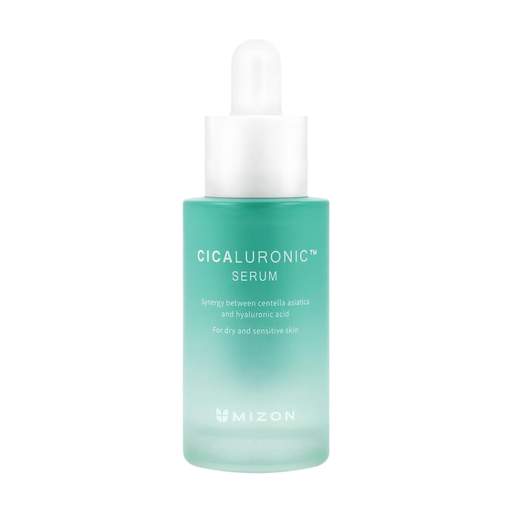
Why This Fits Their Persona: Ideal for users seeking reliable, soothing hydration. The combination of Centella Asiatica (Cica) and various forms of hyaluronic acid specifically targets dryness and redness without overwhelming the skin.
This serum avoids the "one-size-fits-all" trap by clearly focusing on soothing and hydrating sensitive skin. The active ingredients are placed high on the INCI list, confirming their relevance.
According to the manufacturer, the formula contains 93% natural ingredients, is vegan, and absorbs quickly. It combines multiple forms of hyaluronic acid for multi-level hydration.
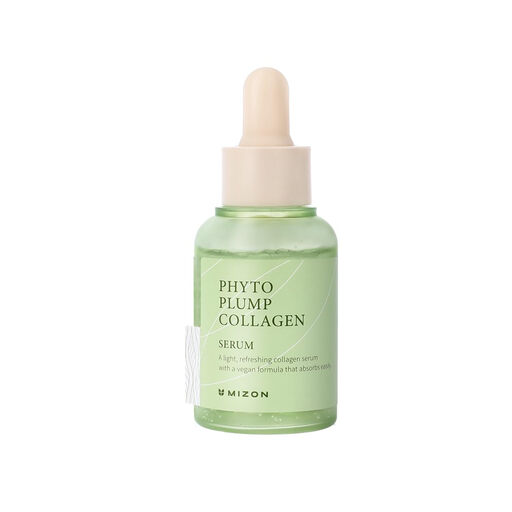
Why This Fits Their Persona: Suitable for users who want to specifically improve skin firmness and reduce the appearance of wrinkles. This vegan Collagen Serum relies on plant-based active ingredients to promote elasticity.
It avoids the "active ingredient" bait by not relying on a single ingredient, but instead using a combination of plant-based collagen, adenosine (for wrinkle reduction), and panthenol (to strengthen the barrier).
The hypoallergenic formula is free from silicones, alcohol, and artificial colourants. Adenosine is a well-researched ingredient for improving skin smoothness.
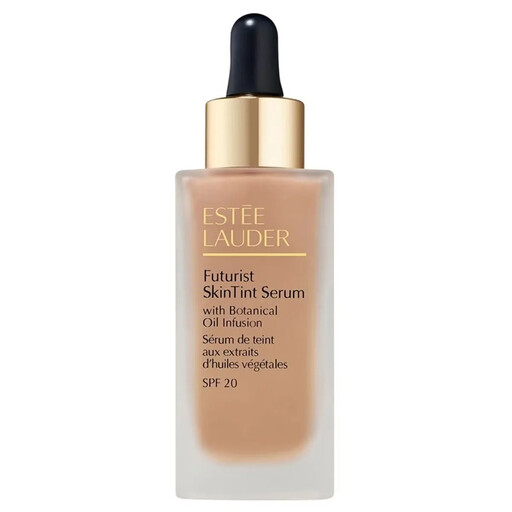
Why This Fits Their Persona: Perfect for users who prefer a quick morning routine and want to combine the benefits of skincare and makeup. This Serum Foundation provides hydration, offers light sun protection, and evens out the complexion.
This product clearly positions itself as a hybrid, not a highly concentrated treatment serum. It doesn't promise miracles, but delivers a combination of light coverage, moisture, and SPF 20—a realistic and useful function.
The formula contains a botanical oil blend to nourish the skin. The integrated broad-spectrum SPF 20 protects against daily UV exposure.
We've compiled a complete, up-to-date list of products that fully meet these strict selection criteria and rigorous safety standards.
A serum should always be applied after cleansing and any toner, but before your moisturiser. The rule of thumb is to go from the thinnest to the thickest consistency. This allows the lightweight serum to be optimally absorbed into the skin before the richer cream forms a protective layer.
Yes, so-called "layering" is possible, but it should be done thoughtfully. Don't combine too many active ingredients at once, especially not highly concentrated acids with retinoids in the same routine, to avoid irritation. A common method is to combine a hydrating serum (e.g., Hyaluronic Acid Serum) with a targeted serum (e.g., Vitamin C Serum in the morning, Anti-Ageing Serum in the evening).
Visible results depend on the active ingredient and your skin's condition. Improved hydration from a moisturising serum is often noticeable immediately. For active ingredients that target cell renewal or collagen production (e.g., in a serum for wrinkles), patience is key. It can take four to twelve weeks to see a visible improvement in your complexion, as the skin needs time to regenerate.