
Lieferung heute & morgen

Qualitätsgarantie

Willkommens-Angebote freischalten: KOSTENLOSE Lieferung | Bis zu 80 % RABATT | Kostenlose 30-Tage-JoyPlus-Testphase
App herunterladen
Facial ampoules and concentrated serums are often promoted for delivering intense hydration, a more even-looking complexion or a radiant glow. But choosing the right product — rather than making a purchase you regret — involves more than just the brand name or eye-catching claims. Your skin’s needs, the ingredients list, texture, packaging and intended use all matter.
A vitamin C serum, Centella serum or anti-ageing serum may support certain skincare goals. That doesn’t automatically mean it will make pigmentation, wrinkles or enlarged pores disappear. Check the full INCI list, the concentration of any stated active ingredients and the directions for use.
Terms such as ‘brightening’ generally describe the appearance of the complexion in cosmetics. They should not be confused with medical treatment.
A lightweight formula may feel comfortable on combination skin, while dry skin may need an additional moisturiser. Sensitive skin may react to fragrance, alcohol, essential oils or high concentrations of active ingredients. Before using a product all over your face, it’s a good idea to test it on a small area of skin.
Single-dose ampoules are hygienically portioned, but create more packaging and often need to be used soon after opening. With products containing less stable active ingredients, such as pure vitamin C, light-protective packaging, the closure and storage are particularly important. Follow the opening instructions carefully when using glass ampoules.
Match your main concern to a suitable active ingredient profile:
Ingredients are listed in descending order by quantity, although certain ingredient groups are subject to exceptions. In particular, check:
Always check the product packaging, as formulas may change.
A 50 ml dropper bottle is suitable for daily use and is usually easy to dispense. Single doses, such as 2 ml ampoules, are handy for a short course or when you’re travelling. Follow the relevant opening and disposal instructions for glass containers.
Facial ampoules are usually applied after cleansing and toner. Depending on the product, two to five drops are often enough. If you have dry skin, follow with a moisturiser. When using vitamin C or brightening serums in the morning, it’s a good idea to apply sun protection with a suitable SPF.
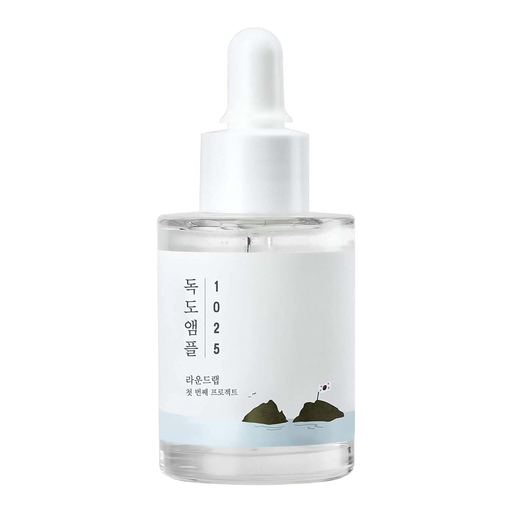
Why it suits this profile: Its lightweight, watery texture and simple application — just two or three drops — make it a good introduction to Korean skincare and everyday hydration.
The product information names hyaluronic acid, panthenol and ceramide NP, rather than relying solely on promotional descriptions of its active ingredients. It also clearly states that the product should be applied after toner.
45 g, lightweight texture, hydrolysed hyaluronic acid and ceramide NP, according to the product description.
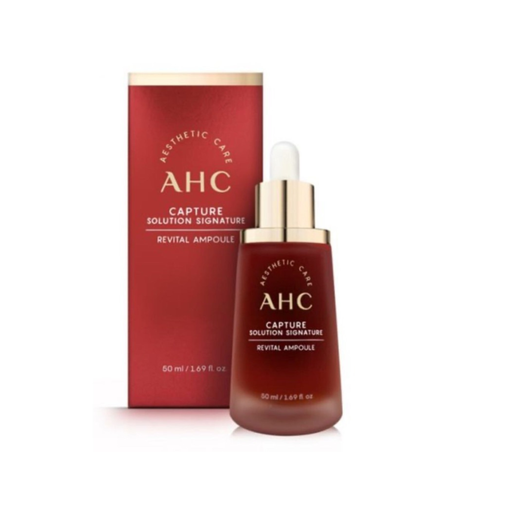
Why it suits this profile: This formula is aimed at shoppers looking for a richer ampoule serum with several humectants and fermented ingredients.
The ingredients information includes niacinamide, several forms of hyaluronic acid and fermented ingredients. Fragrance and benzophenone-5 are also listed, so bear these in mind if you have sensitive skin.
50 ml, several forms of hyaluronic acid, niacinamide and fermented ingredients, according to the product information.
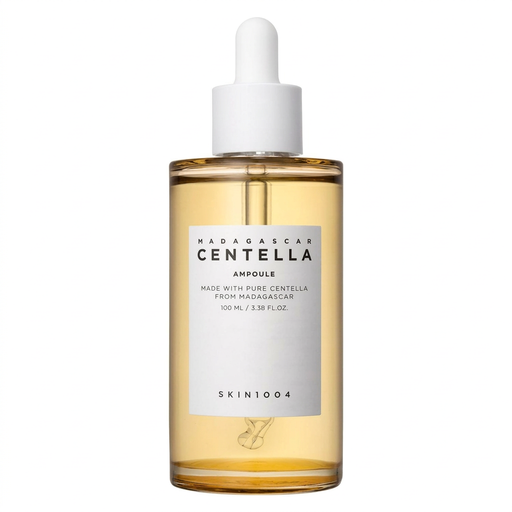
Why it suits this profile: The larger 100 ml bottle is a good option if you use a simple Centella serum regularly and prefer a light, toner-like texture.
The product description lists a short formula with Centella asiatica as its key ingredient. Even so, check the actual packaging before you buy.
100 ml, dropper bottle and a runny serum texture, according to the product information.
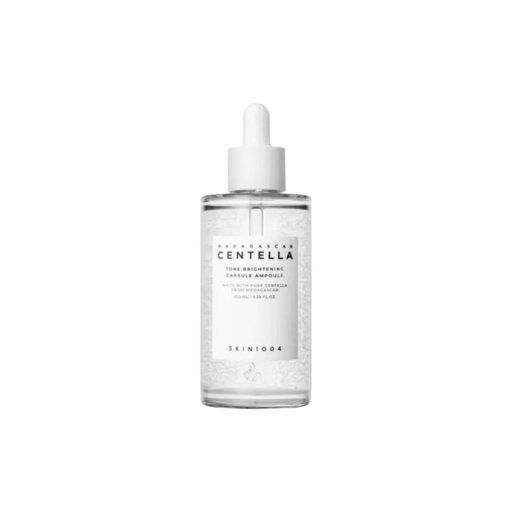
Why it suits this profile: The combination of niacinamide, tranexamic acid and Centella is designed for people looking to combine hydration with care for an uneven-looking complexion.
The product information names the active ingredients and specifically recommends using sun protection during the day. This helps you look beyond the word ‘Brightening’ when choosing a product.
Niacinamide, tranexamic acid, Centella asiatica and encapsulated ingredients, according to the product description; 100 ml.
We’ve put together a complete, regularly updated list of products that meet these strict selection criteria and the safety requirements in force in the EU.
Start with one active serum and see how your skin responds. A simple routine is:
Don’t introduce vitamin C, acids and other active products all at once. Stop using the product if you experience stinging, persistent redness or a rash. Facial ampoules are for external use only and should not be applied around the eyes.
The terms aren’t used consistently across the skincare industry. Ampoules often refer to concentrated skincare products or single doses, while face serums are usually sold in larger bottles for regular use. What matters most is the ingredients, texture, quantity and directions for use.
It depends on the product. Check the printed best-before date, the PAO symbol and the manufacturer’s guidance. Use single-dose ampoules after opening as directed on the packaging. Store products containing vitamin C away from light, heat and direct sunlight wherever possible.
You can combine them, but it’s best to introduce them gradually. Hydrating ingredients are usually easy to add to a routine. Take care with vitamin C, peptides, acids and highly active formulas. If you have sensitive skin, carry out a patch test and start by adding just one new product.