
Lieferung heute & morgen

Qualitätsgarantie

Willkommens-Angebote freischalten: KOSTENLOSE Lieferung | Bis zu 80 % RABATT | Kostenlose 30-Tage-JoyPlus-Testphase
App herunterladen
A face serum complements your daily skincare routine with a concentrated treatment that is usually lightweight in texture. Korean face serums and K-Beauty serums in particular are often promoted with terms such as “glass skin”, “glow” or “intensive regeneration”. However, these claims reveal little about whether a product suits your skin, your routine and your desired skincare goal.
A percentage sounds precise, but it is only meaningful in the context of the complete formulation. A niacinamide serum with 5% may be more practical for many routines than one promoted with a considerably higher concentration. With ingredients such as azelaic acid or retinal, it is also sensible to introduce them gradually, as individual skin tolerance can vary.
A serum for all skin types may have a lightweight texture and a versatile formulation. That does not automatically mean it is equally suitable for dry, sensitive or blemish-prone skin. Fragrance, alcohol, acids and several active ingredients should be checked against the current INCI list before buying.
30 ml is often sufficient when using two to three drops per application, while a 50 or 100 ml product may offer better value for a more extensive routine. The bottle price is not the only factor that matters: dosage, frequency of use and shelf life after opening are also important. The information on the packaging remains decisive.
Match your main goal to a manageable group of active ingredients:
Ingredients are listed in descending order, taking the specific legal labelling requirements for each ingredient into account. Look out for:
A watery serum can usually be applied easily underneath a cream or sunscreen. Gel and gel-cream textures may leave a slightly richer skincare feel. With a richer product, a smaller amount may be sufficient.
Most products are applied after cleansing and, where applicable, after toner. Two to three drops or one to two pumps are often enough; the manufacturer’s specific instructions take priority. You can then apply a cream to complete your skincare routine. New products should initially be tested on a small area of skin.
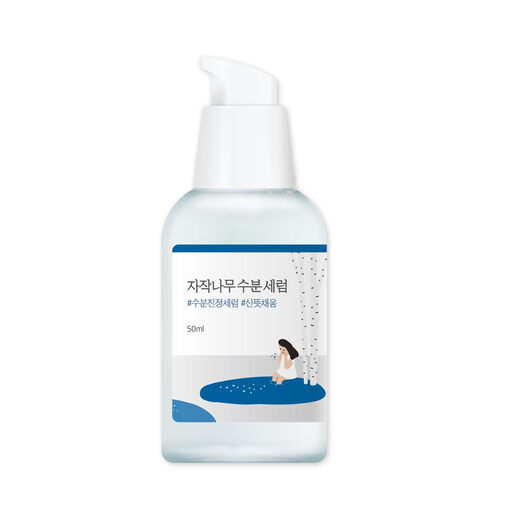
Why this product suits this profile: Its fluid texture and 50 ml size make it suitable for a straightforward daily moisturising routine for various skin types.
The INCI list names glycerin, beta-glucan and several forms of hyaluronic acid, rather than relying solely on a vague moisturising claim.
50 ml, lightweight consistency and a vegan formulation according to the product information.
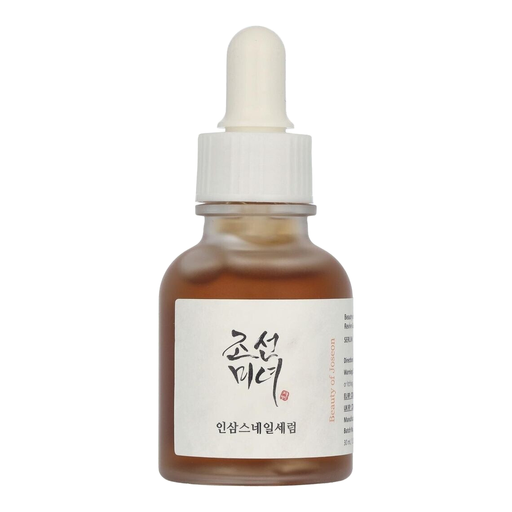
Why this product suits this profile: Anyone looking to combine several skincare benefits in one Korean face serum will find ginseng, 3% snail secretion filtrate, niacinamide and hyaluronic acid here.
The advertised key ingredients can be identified in the stated INCI list; individual skin tolerance should still be assessed.
30 ml, a combination of moisturising and nourishing ingredients, with South Korea stated as the country of origin.
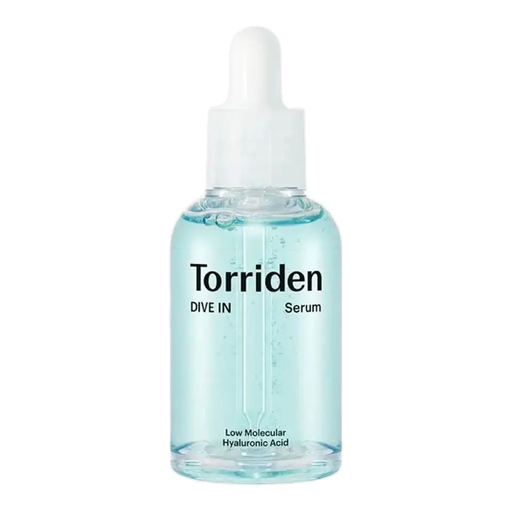
Why this product suits this profile: Its five listed forms of hyaluronic acid, together with panthenol, ceramides and beta-glucan, will appeal to buyers who want to add a targeted moisturising serum to their routine.
The formulation names specific humectants and barrier-supporting ingredients instead of relying solely on a general “Hydra” promise.
50 ml, stated to be fragrance-free and a lightweight serum texture according to the product description.
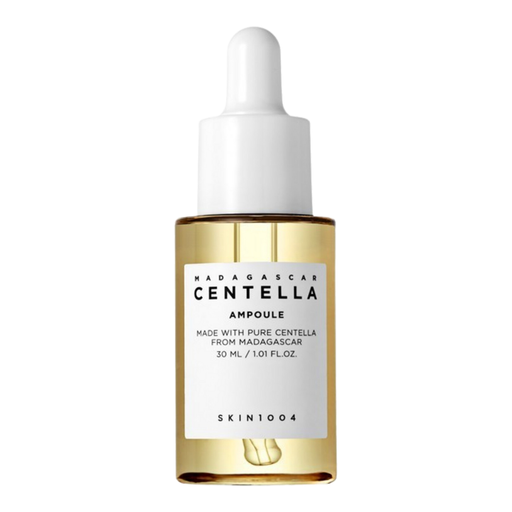
Why this product suits this profile: The minimalist formulation with 100% Centella asiatica extract is appealing to buyers who prefer a short INCI list.
The key ingredient and watery texture are clearly stated; additional fragrance or active-ingredient combinations are not the focus.
30 ml, a short INCI list and a fast-absorbing, non-sticky texture according to the product information.
We have put together a complete, regularly updated list of products that fully meet these strict selection criteria and the safety regulations applicable in the EU.
Apply the skincare serum to clean skin. When using several serums, the usual rule is to apply the thinner texture first, followed by the richer one. New active ingredients should not be introduced at the same time, making it easier to identify any potential reactions.
Store the product according to the instructions on the packaging, usually in a dry, cool place away from direct sunlight. Once opened, observe the stated period of use. Stop using the product if you experience burning, itching or persistent redness. Avoid contact with the eyes.
Moisturising serums are often used morning and evening. Products containing a high concentration of active ingredients, such as retinal or azelaic acid, should initially be applied less frequently. The specific directions for use and your skin’s reaction are the most important factors.
A serum for dry skin may contain glycerin, hyaluronic acid, panthenol, ceramides or beta-glucan. As humectants alone are not always sufficient, applying a cream afterwards is sensible to round off your skincare routine.
The best-before date, batch number and, where applicable, the period of use after opening are stated on the packaging. Light, heat and leaving the product open frequently can affect its quality. Before use, check its scent, colour and consistency.