
Lieferung heute & morgen

Qualitätsgarantie

Willkommens-Angebote freischalten: KOSTENLOSE Lieferung | Bis zu 80 % RABATT | Kostenlose 30-Tage-JoyPlus-Testphase
App herunterladen
A face serum can be a targeted addition to your daily skincare routine. But with so many options, it can be difficult to know what to choose. Terms such as anti-ageing serum, hydrating serum or serum for pigmentation often describe a marketing goal, but they don’t automatically mean the formula is right for you. Your skin type, the ingredients used, their concentration and how well the product fits into your routine all matter.
Hyaluronic acid, vitamin C, niacinamide and retinol are well-known ingredients. But their presence alone tells you little about the overall formula. The concentration, chemical form, pH and combination with other ingredients all affect how a product can be used.
For example, a hyaluronic acid serum may be designed primarily to hydrate. A vitamin C serum, by contrast, is often used to care for skin with an uneven-looking tone. This doesn’t mean that every serum described in these terms has the same properties.
Introducing a vitamin C serum, a retinol serum, acids and a niacinamide serum all at the same time can put unnecessary strain on your skin. If your skin is sensitive, it’s best to introduce products gradually. Start with a small amount and, where possible, add new products to your routine one at a time.
If you use a retinol serum or a retinol-like ingredient, you should also apply suitable sun protection during the day and limit prolonged exposure to strong sunlight. Always follow the relevant manufacturer’s instructions on the packaging and product page.
Formulas that are sensitive to light and air need suitable packaging and storage. A pump dispenser or pipette can make it easier to measure the right amount, but you should still check the expiry date, batch number and period after opening. If a product changes colour, smell or consistency, stop using it.
Percentage claims are only meaningful when it’s clear which ingredient they refer to. So check the full INCI list and the position of your chosen ingredient. Fragrance ingredients such as Limonene and essential oils may be a consideration for some people. Rich ingredients such as shea butter or plant oils may also feel more comfortable on some skin types than others.
A serum is usually applied after cleansing and, if you use one, toner. Follow with a face cream; in the morning, add sun protection to your routine. Choose a texture that fits into your day: milky formulas feel different from watery drops or oil-based concentrates.
The recommendations below match different products to specific user profiles. Details about product properties and ingredients are based on the information provided; the packaging is the definitive source for the current formula.
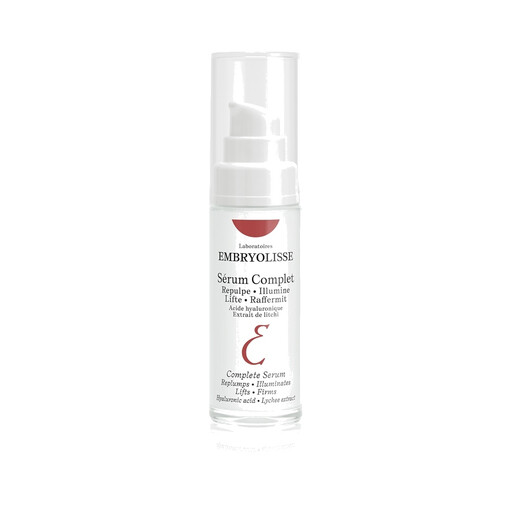
Why this product suits this profile: Its milky texture is designed for a straightforward daily routine, morning and/or evening. Hyaluronic acid, evening primrose oil and lychee extract are listed in the product information.
The product description sets out its texture, how to use it and its key ingredients, so your choice isn’t based solely on a general anti-ageing claim. Parfum and Limonene are listed in the INCI list.
30 ml, a milky consistency and clear guidance for daily use.
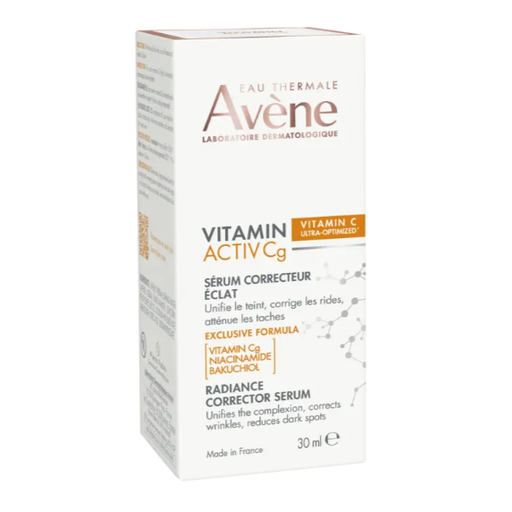
Why this product suits this profile: The formula lists Vitamin Cg, niacinamide and bakuchiol, with specific percentages. It is intended for adults and, according to the product description, has been tested on sensitive skin.
The stated concentrations of 1,8 % Vitamin Cg, 3 % niacinamide and 1,5 % bakuchiol make the formula easier to assess than a general claim about active ingredients with no quantities given.
Glass pipette packaging, 30 ml and a combination of three named active ingredients.
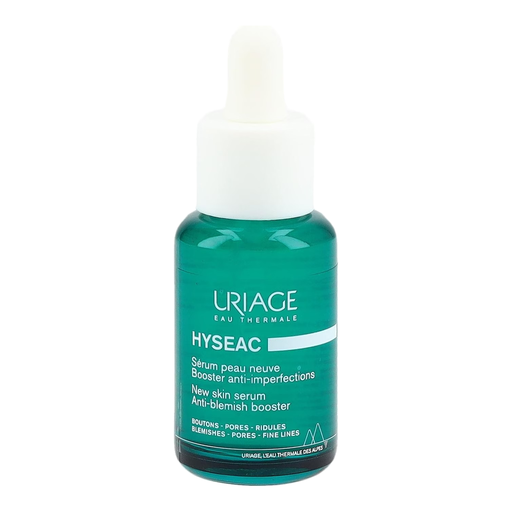
Why this product suits this profile: According to the product description, this serum is intended for combination and oily skin. It contains AHA acids, zinc and Uriage Thermal Water.
The product information specifies the skin type, acids and how to use it. With AHA products, introducing them gradually and using sun protection remain important parts of your routine.
AHA acids and zinc lactate are listed in the INCI list; the product is described for use on the face, neck and décolleté.
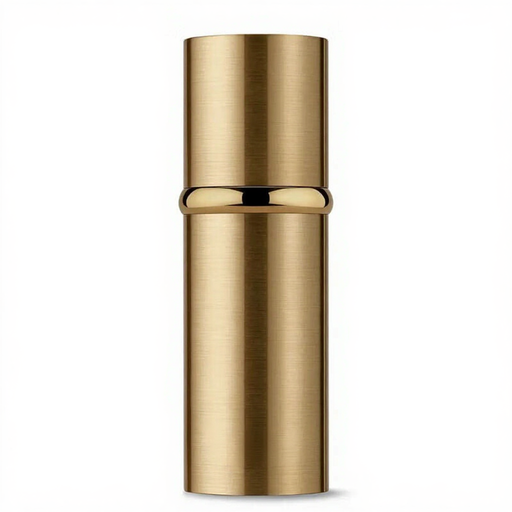
Why this product suits this profile: The formula contains glycerin, Sodium Hyaluronate, plant extracts and gold particles, among other ingredients. It may appeal to anyone who sees luxury skincare as part of a carefully curated ritual.
The full ingredients list also identifies Alcohol Denat. and fragrance allergens. This makes it easier for people with sensitive skin to check the formula before buying.
30 ml, drop-by-drop dispensing and a clearly documented INCI list with humectants and plant extracts.
We’ve put together a complete, regularly updated list of products that meet these strict selection criteria and fully comply with the safety regulations in force in the EU.
According to the directions for use, a retinol product such as Collistar Attivi Puri Retinol + Penthenol Drops should be used in the evening and introduced gradually. If you’re using a high-concentration niacinamide serum and your skin isn’t used to active ingredients, it’s also best to start slowly.
It depends on the formula. Hydrating serums can often be used in the morning and evening, provided your skin tolerates them well. Start by using acid and retinol products less frequently. Always follow the instructions from the relevant manufacturer.
Check the period-after-opening symbol and the best-before or expiry date on the packaging. Many products are only intended for use for a limited time after opening. Storing them in a cool, dry place away from light can help maintain product quality.
Yes, some combinations can be used as part of the same skincare routine. However, if your skin is sensitive, it’s best not to introduce several new active ingredients at once. A hydrating serum is often easier to add than another acid or retinol product. If you’re unsure, compare the directions for use or ask a dermatologist.