
Lieferung heute & morgen

Qualitätsgarantie

Willkommens-Angebote freischalten: KOSTENLOSE Lieferung | Bis zu 80 % RABATT | Kostenlose 30-Tage-JoyPlus-Testphase
App herunterladen
A face serum can enhance your skincare routine in a targeted way. The choice ranges from hydrating serums with hyaluronic acid to retinol serums for evening use. Particularly with Korean face serums and K-beauty serums, product names, high percentage claims and promises such as “Glass Skin” can quickly seem more convincing than how well the product actually suits your skin.
As a Joybuy Product Recommendation Officer, I therefore filter the most important purchasing criteria: Which ingredients are actually listed in the INCI list? Does the texture suit your skin type? And can the serum be used correctly over the long term?
70% peach extract or 10% azelaic acid may sound clear-cut at first. However, the percentage only describes the proportion of a substance or extract; it does not automatically indicate how well it will be tolerated or what personal benefits it may offer. A niacinamide serum with 5% may be more suitable for many routines than a more intensive formulation.
The complete formula, frequency of use and your individual skin response are what matter. If you have sensitive skin, test a new skincare serum on a small area first.
A general suitability claim is no substitute for checking the packaging. Fragrances, alcohol, essential oils or certain plant extracts may not be suitable for everyone. With a serum for sensitive skin, a concise INCI list, a fragrance-free formula and soothing ingredients such as panthenol, beta-glucan or ceramides provide useful guidance.
Depending on its formula, a serum provides hydration or concentrated skincare ingredients. A cream should then be used to complete your skincare routine. In the morning, you should also apply sun protection, particularly if you are using a vitamin C serum, retinoid or product for an uneven skin tone. A serum alone cannot replace a complete skincare routine.
First, match the product to a specific goal:
Check whether the advertised ingredient is actually included in the current INCI list. Formulas may change from one batch to another; the packaging of the product delivered is the definitive source.
A fluid, fast-absorbing serum often works well as part of a multi-step skincare routine. A creamier emulsion may feel more comfortable on dry or mature skin. Also compare the quantity: 30 ml used in daily drops is different from 50 ml used in a larger dose.
Vitamin C and retinol products should be protected from direct sunlight and stored according to the packaging instructions. With ampoules, safe handling is also important. The Dermaroller Hyaluronic Serum, for example, is supplied in individually portioned 1.5-ml ampoules; glass ampoules must be opened carefully.
Introduce new active ingredients gradually. Especially at first, a retinol serum should not be used at the same time as several strong exfoliants or highly concentrated active ingredients. If persistent redness, stinging, itching or swelling occurs, stop using the product and seek medical advice if necessary. Products containing retinol should not be used during pregnancy or breastfeeding without prior medical advice.
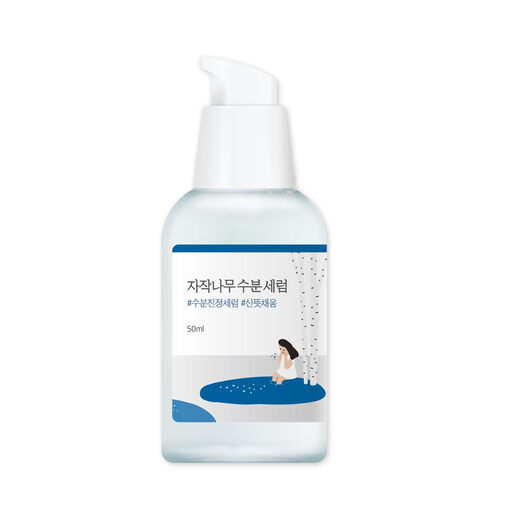
Why this product suits this profile: The lightweight formula with birch water, glycerin and several forms of hyaluronic acid is designed for a straightforward hydration routine in the morning and evening.
The product description names specific hydrating ingredients and a non-sticky texture rather than relying solely on general skincare claims.
50 ml; glycerin, beta-glucan and hyaluronic acid are included in the stated INCI list.
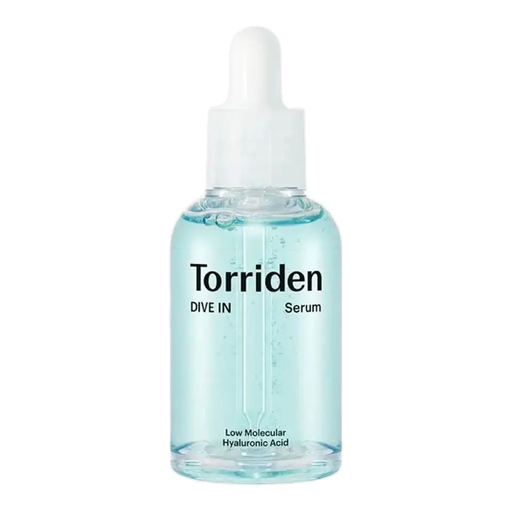
Why this product suits this profile: Anyone looking for a fragrance-free, vegan formula with several hydrating and barrier-supporting ingredients will find a clearly defined INCI selection here.
The “fragrance free” claim distinguishes the product from fragranced formulas; buyers should also check the information on the packaging.
Five listed forms of hyaluronic acid, along with panthenol, ceramide NP and beta-glucan.
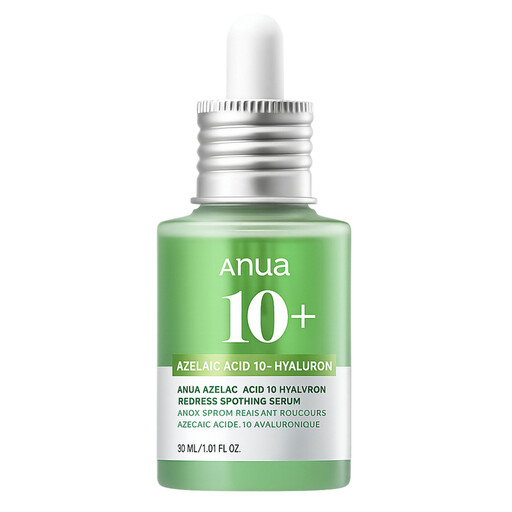
Why this product suits this profile: The combination of 10% azelaic acid, hyaluronic acid, panthenol and cica ingredients is aimed at users with dehydrated, redness-prone or blemish-prone skin.
According to the product information, use should initially begin once or twice a week and then be increased gradually.
30 ml; according to the stated INCI list, it also contains ceramide NP, beta-glucan and zinc PCA.
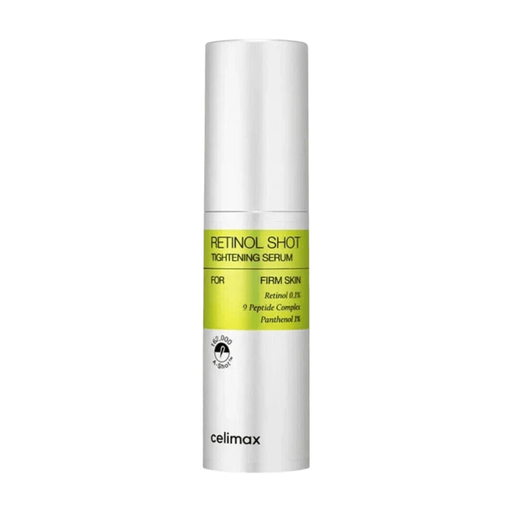
Why this product suits this profile: Designed for a targeted evening routine with retinol, this emulsion also contains bakuchiol, peptides, niacinamide and ceramides.
The product instructions recommend introducing it gradually. This reduces the risk of starting to use a retinoid too frequently.
Retinol, bakuchiol, peptides and ceramides in a 30-ml formula; intended for evening use.
We have put together a complete, regularly updated list of products that fully meet these strict selection criteria and the safety regulations applicable in the EU.
New products should be introduced one at a time. This makes it easier to identify which ingredient may be responsible if a reaction occurs.
Formulas containing glycerin, hyaluronic acid, panthenol, beta-glucan or ceramides are often suitable for dry skin. A hydrating serum should then be combined with a cream, so that your skincare routine does more than create a pleasant skin feel for a short time.
That depends on the active ingredients. Hydrating serums are generally easier to combine than retinol, acids or highly targeted vitamin C products. New combinations should be tested gradually. If you have sensitive skin, a simpler routine is often easier to manage.
The printed best-before date and the PAO symbol are the key points of reference, for example “12M” for twelve months after opening. The bottle should be closed after each use and, depending on the formula, stored in a cool place and protected from light. If the smell, colour or consistency changes noticeably, stop using the product.