
Lieferung heute & morgen

Qualitätsgarantie

Willkommens-Angebote freischalten: KOSTENLOSE Lieferung | Bis zu 80 % RABATT | Kostenlose 30-Tage-JoyPlus-Testphase
App herunterladen
A face serum is often promoted as providing intensive care, rapid smoothing or a more even-looking complexion. Its actual benefits, however, depend heavily on the active ingredients it contains, their concentration and how well your skin tolerates them. If you buy based only on keywords such as “glow”, “anti-ageing” or “refined pores”, you may easily choose a product that does not suit your skin type or existing skincare routine.
A niacinamide serum with a high percentage may be appealing for some skin types, but could cause irritation on sensitive skin. A retinol serum should not be judged solely by its percentage either. Encapsulated or slow-release retinol may behave differently during use from a free-form formulation.
The complete INCI list, recommended usage and your own previous experience with active ingredients are therefore key considerations.
A hyaluronic acid serum can bind moisture to the skin. However, this does not automatically mean it is enough on its own for dry skin. If your skin feels tight, additional nourishing ingredients such as ceramides, plant oils, beta-glucan or glycerine may be beneficial. A barrier serum should therefore be selected based not only on the word “hydration”, but on its overall formulation.
Serums are usually concentrated additions applied after cleansing and before a cream. With active serums, finishing with a moisturiser can round off your routine. During the day, sun protection is also important, particularly when using retinol or other ingredients that may increase sensitivity to light.
First, match the product to your desired skincare goal:
The order of the ingredients provides a useful guide: ingredients listed towards the beginning are generally present in higher quantities. However, it is not possible to determine the full effect from this alone. For products with specific percentage claims, such as 2% niacinamide, 0.08% retinol or 15% niacinamide, follow the manufacturer’s usage recommendations.
Also check for fragrances, essential oils and any known personal intolerances. The INCI list may change, so the information on the packaging supplied with your order is always the relevant reference.
A watery serum is often suitable for layering under a cream. Richer textures may feel more comfortable on dry skin, but can feel heavier on oily or blemish-prone skin. A dropper bottle allows for precise dosing, while a pump dispenser can reduce contact with the product.
With a retinol serum, gradual introduction is advisable. A pure hydrating serum is usually easier to use in the morning and evening, provided this is permitted by the product instructions and your individual skin tolerance.
The selection below categorises different face serums not according to broad rankings, but by clear and understandable usage profiles.
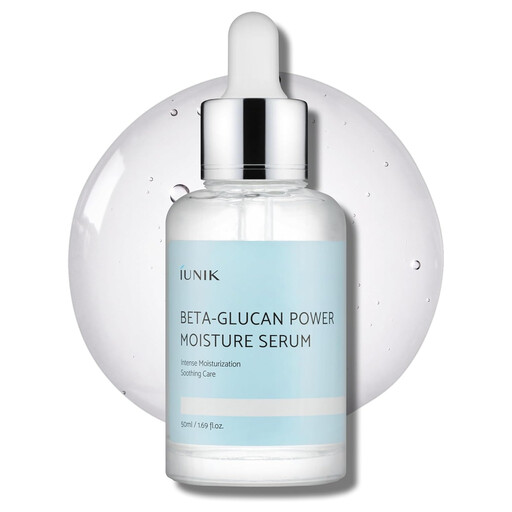
Why this product suits this profile: The short ingredient list provided, featuring beta-glucan, Sodium PCA and humectants, offers a straightforward introduction to hydrating serums.
The focus is on hydration rather than a lengthy combination of highly active ingredients. This makes the routine easier to plan.
50 ml contents; beta-glucan and Sodium PCA are explicitly listed in the product description.
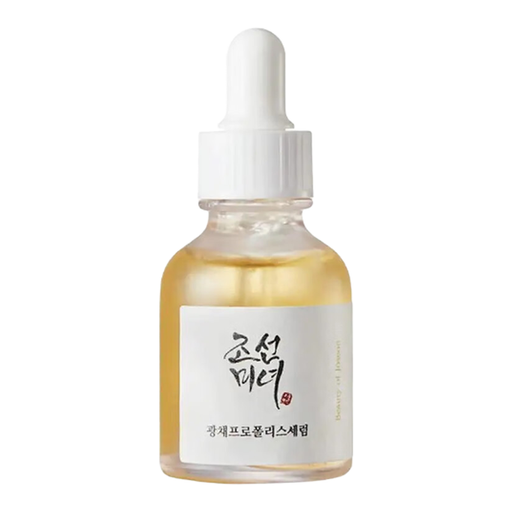
Why this product suits this profile: The combination of 60% propolis extract and 2% niacinamide is aimed at people who want to combine hydration, a more radiant-looking complexion and care for oily skin.
The specific percentages make it easier to compare with similarly targeted niacinamide serums.
30 ml contents; Sodium Hyaluronate, Betaine Salicylate and several plant extracts are also listed.
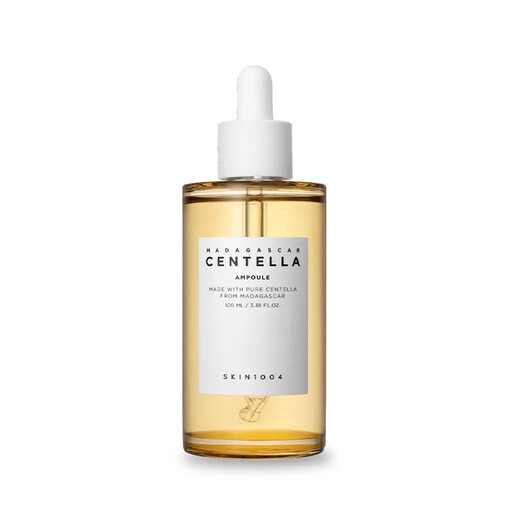
Why this product suits this profile: The large 100 ml ampoule is suitable for frequent users who prefer a light, fast-absorbing texture.
The clear focus on Centella Asiatica avoids an unnecessarily complicated combination of active ingredients.
100 ml contents; according to the product information, Centella Asiatica, panthenol and Sodium Hyaluronate are included.
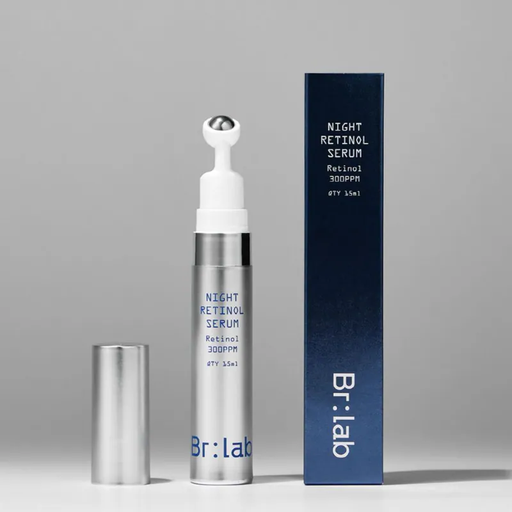
Why this product suits this profile: The serum is specifically intended for evening use and combines slow-release retinol with resveratrol, vitamin E and phytosterols.
The usage instructions specify a pea-sized amount, avoiding the eye area and using sun protection during the day.
Slow-release retinol; also contains resveratrol, vitamin E and phytosterols.
We have put together a complete, regularly updated list of products that fully meet these strict selection criteria and the safety regulations applicable in the EU.
Apply the serum after cleansing and, if required, after toner. Two to three drops are sufficient for many fluid formulations. You can then apply a cream. With a retinol or brightening serum, introduce new products one at a time initially. This makes it easier to identify which product may be irritating your skin.
If you experience redness, burning, swelling or persistent irritation, stop using the product. If you have known allergies or skin conditions, personalised advice from a medical professional is recommended.
This depends on the active ingredient. Hydrating serums are often used in the morning and evening. Retinol products, on the other hand, should be introduced gradually in accordance with the manufacturer’s instructions, for example initially on just a few evenings per week.
Check the best-before date and the PAO symbol on the packaging. Once opened, serums should be kept tightly closed, stored in a dry place and protected from direct sunlight. Changes in smell, colour or consistency are reasons to stop using the product.
In principle, different serums can be used one after another. However, caution is advisable with active ingredients. A hydrating serum is generally easier to combine than several products containing retinol, acids or high concentrations of active ingredients. Follow the individual usage instructions and introduce new combinations gradually.