
Lieferung heute & morgen

Qualitätsgarantie

Willkommens-Angebote freischalten: KOSTENLOSE Lieferung | Bis zu 80 % RABATT | Kostenlose 30-Tage-JoyPlus-Testphase
App herunterladen
A sleep mask for the face stays on the skin for several hours, making it different from a classic mask with a short application time. It can complement your evening routine, but it is not automatically suitable for every skin type or every use. Key factors include a clear INCI list, the texture and straightforward usage instructions.
When it comes to an overnight face mask, certain common marketing claims can easily lead to unsuitable purchases:
For dry or dehydrated skin, humectants such as glycerin, hyaluronic acid, panthenol and betaine are relevant ingredients. If you want to support the skin barrier, ceramides, squalane and certain lipids may be worth considering. However, they should always be assessed in the context of the complete formula.
A night mask for dry skin can have a richer formula than a lightweight gel. For oily or blemish-prone skin, a thin gel texture may feel more comfortable. Propolis, honey and beeswax are natural ingredients, but they may still need to be assessed if you are sensitive to them.
A face mask for sensitive skin should not be selected based on the product name alone. Check the packaging for “Parfum” and fragrance ingredients that must be declared, such as limonene or linalool. Essential oils, including lavender, eucalyptus, rosemary and tea tree oil, may also be relevant for sensitive individuals.
According to the product information, La Mer The Night Recovery Concentrate 7ml Deluxe Travel-Size lists fragrances, alcohol and several essential oils among its ingredients. If you are sensitive to such ingredients, test the product on a small area of skin first and check the current INCI list on the packaging.
A sleeping mask is usually applied in a thin layer as the final step in your evening skincare routine. Some products are washed off in the morning, while others remain on the skin. The instructions should therefore be checked before purchase.
You should also consider:
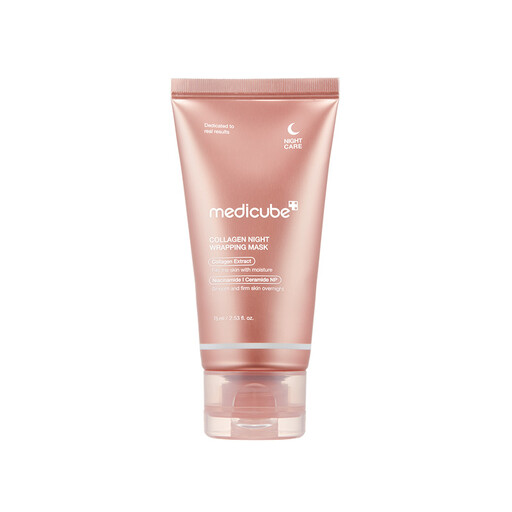
Why this product suits this profile: The formula combines glycerin, sodium hyaluronate, niacinamide and ceramide NP. It is applied as the final step and worn overnight once dry.
The product information specifies a waiting time of around 15 minutes before going to bed, as well as rinsing it off in the morning.
75 ml; contains hyaluronic acid, niacinamide and ceramide NP, among other ingredients.
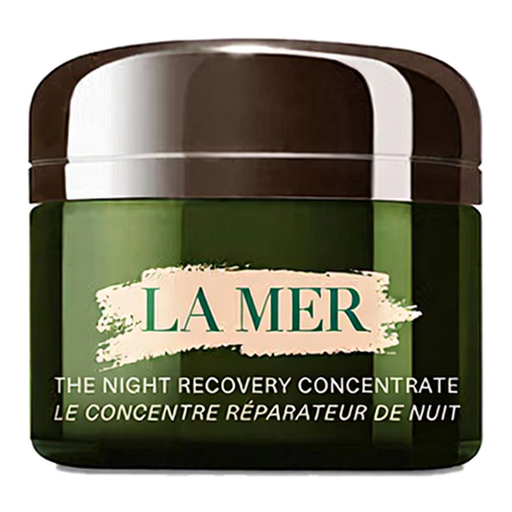
Why this product suits this profile: The serum-like mask texture is designed for evening barrier care. The 7-ml size is particularly suitable for trying the product or taking it on holiday.
The small amount makes it clear that this is a deluxe travel or trial size.
Serum-in-mask texture; contains glycerin, algae extract and various lipids.
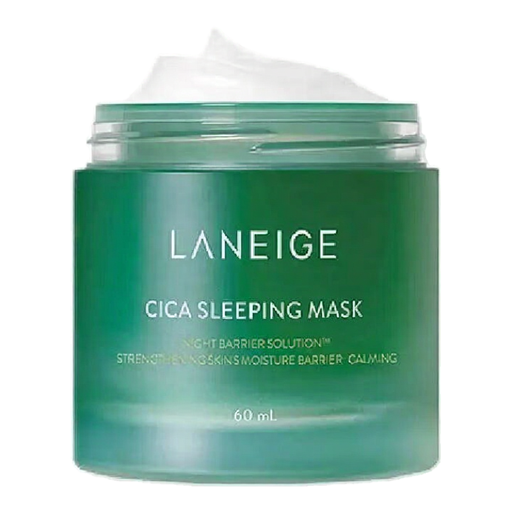
Why this product suits this profile: The formula contains panthenol, squalane, shea butter and centella ingredients. This makes it suitable as a nourishing night mask for dry or stressed skin.
The full product information lists potential ingredients such as tea tree oil and shea butter, allowing those with sensitive skin to check them carefully.
60 ml; designed for overnight use and can be rinsed off with lukewarm water in the morning.
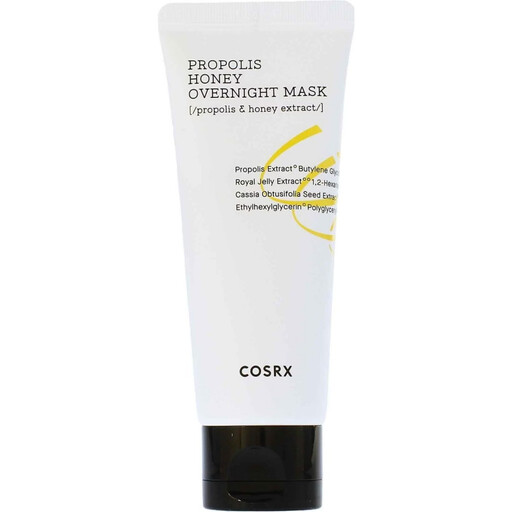
Why this product suits this profile: According to the product information, the lightweight gel contains propolis, honey and royal jelly extracts, as well as panthenol and allantoin. It is intended for use once or twice a week.
The specified gel texture is an alternative to heavy cream masks. The recommended frequency also helps prevent overuse.
Non-sticky gel texture; 60 g; according to the product information, free from artificial fragrances and essential oils.
A collagen sleep mask or soothing night mask can fit into an existing skincare routine, but it should not replace several new active-ingredient products at the same time. If you have a known allergy or severely irritated skin, it is particularly important to check the complete INCI list.
We have put together a complete, regularly updated list of products that fully meet these strict selection criteria and the safety regulations applicable in the EU.
It depends on the formula. Many products recommend using them once to three times a week. Daily use is only advisable if explicitly recommended and if your skin tolerates the texture and ingredients well.
Not always. Some products are removed with lukewarm water after you get up, while others remain on the skin according to the instructions. Always check the manufacturer’s guidance and avoid changing the recommended method of use yourself.
The printed expiry date and, where provided, the PAO symbol indicating the period after opening are the key points to check. For example, Propolis Honey Overnight Face Mask is stated to last for 12 months after opening. For other products, refer to the information on the relevant packaging.