
Lieferung heute & morgen

Qualitätsgarantie

Willkommens-Angebote freischalten: KOSTENLOSE Lieferung | Bis zu 80 % RABATT | Kostenlose 30-Tage-JoyPlus-Testphase
App herunterladen
A face sleeping mask, often called a night mask or overnight mask, is designed as the final step in your evening skincare routine. Its purpose is to deliver an intensive dose of active ingredients to your skin overnight. However, the market is saturated with products whose marketing claims often create more confusion than clarity. Many users invest in products that don't suit their skin type or whose formulations can barely achieve the advertised effects.
As your Joybuy Product Recommendation Officer, I'll help you identify common purchasing pitfalls and make an informed decision based on objective criteria.
Before making a purchase, it's crucial to see through common marketing strategies that often lead to unsuitable buys.
To find the right face sleeping mask, focus on verifiable product features rather than marketing slogans.
Texture is more than just how it feels on the skin; it determines which skin type a product is suitable for.
A look at the ingredients list (INCI) reveals more than any product description. Look for synergistic combinations tailored to your skin goals.
Here are some product recommendations tailored to different user profiles and their specific requirements.
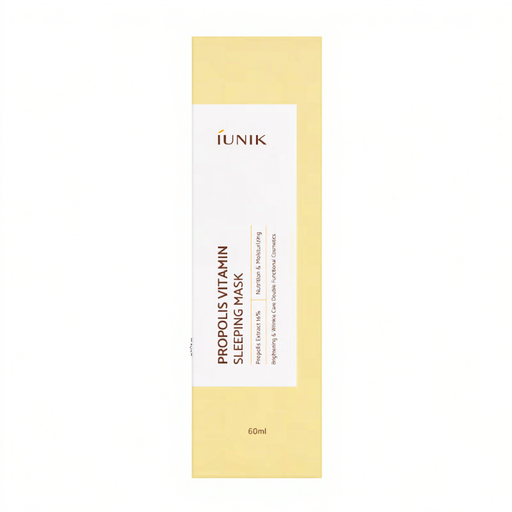
Why It's a Match: Ideal for those looking for a straightforward yet effective overnight treatment. The mask focuses on hydration and soothing without overwhelming the skin, making it a great entry point into the world of sleeping masks.
Instead of relying on a single trendy ingredient, the formula combines Propolis Extract, Sea Buckthorn Extract, and Centella Asiatica Water for a balanced, nourishing, and soothing effect.
The gel-cream texture is hydrating, absorbs well, and leaves no sticky feeling, which enhances overnight wear comfort.
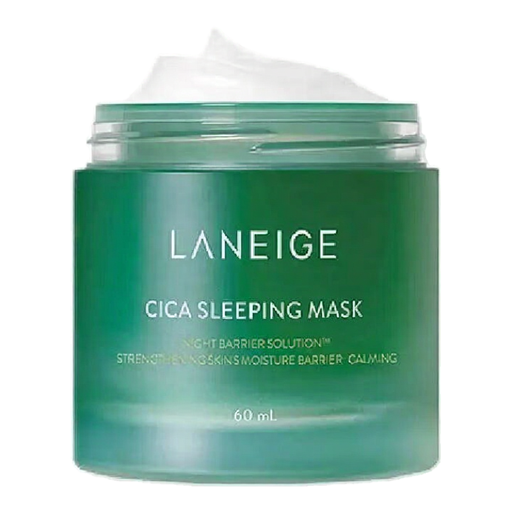
Why It's a Match: Specifically for users with sensitive, redness-prone, or externally stressed skin. The focus is clearly on strengthening the skin barrier and calming the skin overnight.
The formula is based on a combination of skin-soothing ingredients like panthenol and squalane, plus the specific active "Forest Yeast" (Aureobasidium Pullulans Ferment), which specifically supports regeneration.
The rich but non-greasy cream texture is designed for sensitive skin types and provides intensive moisture to help repair the skin barrier.
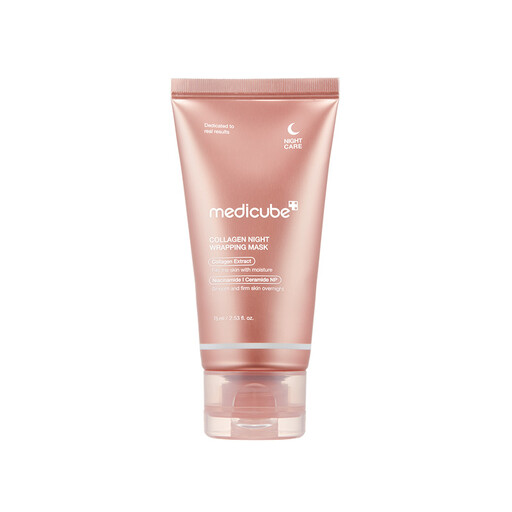
Why It's a Match: For users who want to specifically improve skin elasticity and reduce the appearance of fine lines. The formulation is geared towards anti-aging goals like firming and plumping.
After drying, the mask forms a film that locks in active ingredients like collagen, hyaluronic acid, niacinamide, and adenosine, optimizing their delivery overnight instead of just sitting on the surface.
The "wrapping" technology provides a unique application experience: the mask dries into a peel-off layer, allowing for a clean feeling with no sticky residue on the pillow.
We have compiled a complete, up-to-date list of products that fully meet these strict selection criteria and applicable safety regulations.
The frequency of use depends on your skin type and the product. For most skin types, using it 2-3 times a week is a good guideline. For very dry skin or during the winter months, more frequent use may be beneficial. Always follow the manufacturer's recommendations.
Yes, in most cases, a night mask can replace your night cream on the days you use it. It is designed as a more intensive treatment and is applied as the final step in your routine. On other nights, use your regular night cream.
Most sleeping masks are formulated to absorb completely or for the most part overnight. In the morning, it's usually sufficient to wash your face with lukewarm water to remove any residue before starting your morning skincare routine. Some masks, like the "wrapping" masks, can also be gently peeled off.