
Lieferung heute & morgen

Qualitätsgarantie

Willkommens-Angebote freischalten: KOSTENLOSE Lieferung | Bis zu 80 % RABATT | Kostenlose 30-Tage-JoyPlus-Testphase
App herunterladen
A good facial sunscreen is more than just protection against sunburn. It is a central component of daily skincare, preventing premature skin aging and changes in pigmentation. However, the market is confusing and full of marketing promises that make choosing difficult. This guide will help you understand the crucial criteria and make an informed decision.
Many products promise more than their formulation can deliver. Watch out for these three common pitfalls to avoid making the wrong choice.
To find the right facial sunscreen, you should check three technical aspects that determine its effectiveness and tolerability.
The type of UV filter determines how your skin is protected from radiation.
Comprehensive protection covers both UVB and UVA rays.
Modern sunscreens are often multifunctional skincare products. Look for ingredients that suit your skin's needs.
Based on the criteria above, we have identified products that are well-suited for different needs and skin types.
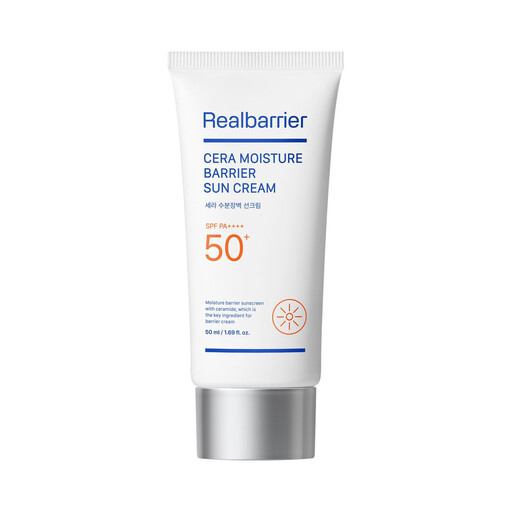
Why This Fits Their Persona: Ideal for users seeking reliable, high protection without the potential for irritation. The formulation focuses on strengthening the skin barrier, which is crucial for sensitive skin types.
Instead of a vague "for sensitive skin" promise, this product relies on specific active ingredients like Ceramides and Panthenol, as well as the patented MLE technology to support the skin barrier.
Combines very high protection (SPF 50+ PA++++) with intense moisture from a complex of 10 types of hyaluronic acid. The lightweight formula absorbs quickly without a white cast.
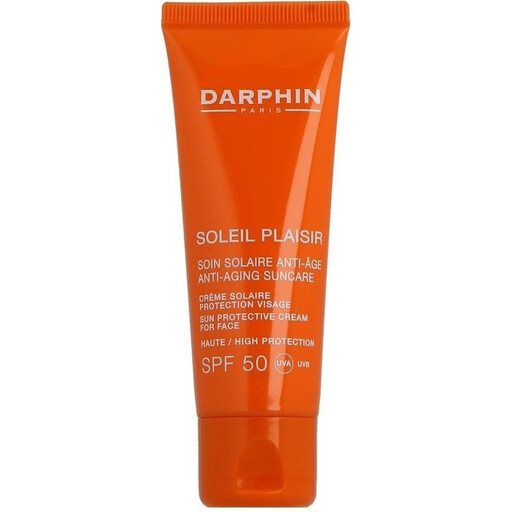
Why This Fits Their Persona: For users who want to combine a luxurious skincare experience with effective protection against sun-induced aging. The formulation is designed for demanding skin.
This product goes beyond a simple SPF value. It offers a comprehensive formula with Hyaluronic Acid, Vitamin E, and nourishing oils that actively moisturise and strengthen the skin barrier.
Provides very high broad-spectrum protection (UVA/UVB) in a silky, lightweight, and non-greasy texture. It absorbs quickly and serves as an excellent makeup base.
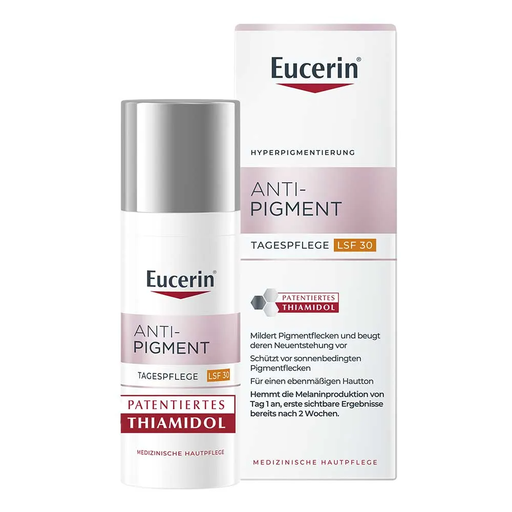
Why This Fits Their Persona: Specifically for individuals who want to actively reduce existing dark spots and prevent the formation of new ones. It combines daily sun protection with targeted active ingredient care.
Instead of a general brightening effect, this cream contains the patented active ingredient Thiamidol, which, according to the manufacturer, targets the root cause of hyperpigmentation.
Offers clinically and dermatologically proven efficacy in reducing dark spots. The SPF 30 with a UVA filter provides reliable protection against the formation of new sun-induced spots.
We have compiled a complete, up-to-date list of products that fully meet these strict selection criteria and German safety regulations.
1. How much sunscreen should I use on my face? As a rule of thumb for the face and neck, use the two-finger method: draw two lines of cream along your index and middle fingers. This amount (about 1.25 ml for the face alone) is necessary to achieve the sun protection factor stated on the packaging. Applying too little significantly reduces protection.
2. Can I still use last year's sunscreen? Check the Period After Opening (PAO) symbol on the packaging, which looks like an open jar. It indicates how many months the product is good for after opening (e.g., "12M"). If this period has passed, or if the texture, colour, or smell has changed, the product should be discarded as the effectiveness of the UV filters may have diminished.
3. Do I need to wear sunscreen on cloudy days or in winter? Yes. Up to 80% of UV radiation penetrates through clouds. UVA rays in particular, which are a major contributor to skin aging, are present all year round and can also pass through window glass. Daily use of sunscreen is therefore one of the most important measures for preventing skin damage.