
Lieferung heute & morgen

Qualitätsgarantie

Willkommens-Angebote freischalten: KOSTENLOSE Lieferung | Bis zu 80 % RABATT | Kostenlose 30-Tage-JoyPlus-Testphase
App herunterladen
The search for the right face sunscreen can be complicated. Many products promise high protection but leave behind an unpleasant sticky feeling, a visible white cast, or don't layer well with makeup. The result is often that this essential daily sun protection for your face ends up gathering dust in the cabinet.
As your Joybuy Product Recommendation Officer, I'm here to help you avoid the common pitfalls. We'll focus on the objective features that define a great face sunscreen, so you can make an informed decision that suits your skin type and lifestyle.
Before we get to the solutions, let's identify the most frequent frustrations that arise from choosing the wrong product:
The good news is that modern formulations are specifically designed to address these problems. The key is knowing which parameters to look for.
To make the right choice, you should focus on three core aspects. These will help you distinguish marketing promises from actual performance.
The protection mechanism is a fundamental differentiator.
The texture determines whether you'll enjoy using your sunscreen daily. Look for descriptions that match your skin type:
Modern sun protection products can do more than just protect.
Here are some product recommendations tailored to specific user profiles, taking the above criteria into account.
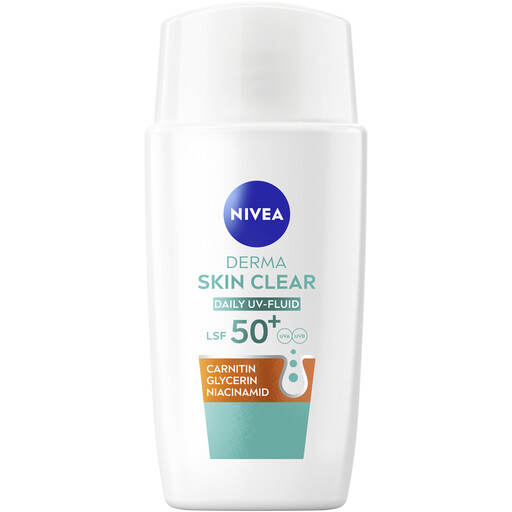
Why This Fits Their Persona: Ideal for those with oily or blemish-prone skin who need daily, non-greasy protection that also works as a makeup base.
The ultra-light, non-comedogenic formula is specifically designed to not clog pores and to prevent a greasy feel—the main concerns for oily skin.
According to the manufacturer, it provides an 8-hour mattifying effect and contains niacinamide to help regulate oil production.
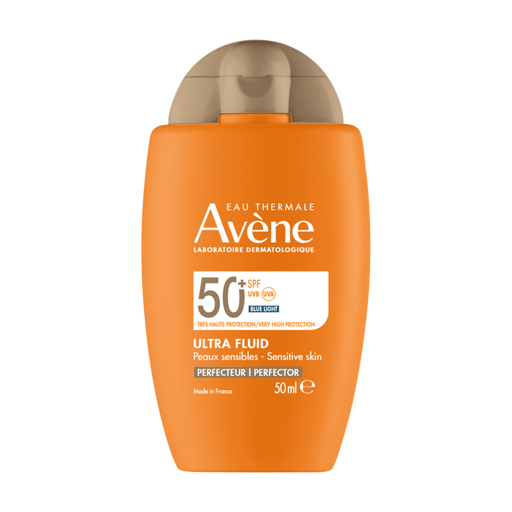
Why This Fits Their Persona: Perfect for users with sensitive skin who want to combine very high protection with a light, tone-evening effect without using a heavy foundation.
Its water-light texture and universal tint provide a natural finish that evens out the complexion, instead of leaving a mask-like white or mismatched tinted cast.
Offers protection against UVB, UVA, and short-wave HEV blue light. The formula is fragrance-free and developed for sensitive skin.
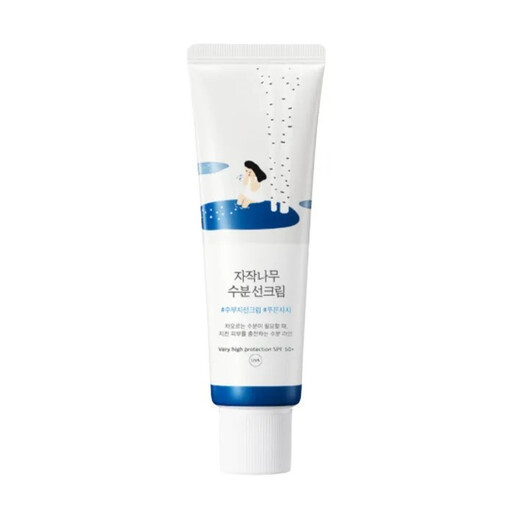
Why This Fits Their Persona: A classic Korean sunscreen for anyone seeking a hydrating, lightweight formula that feels like a nourishing lotion, perfect for dry or dehydrated skin.
The texture is similar to a moisturiser and absorbs completely without leaving a heavy layer, effectively preventing pilling under makeup.
Provides intense moisture with birch sap and hyaluronic acid. Offers high protection (SPF 50+ PA++++) without a white cast.
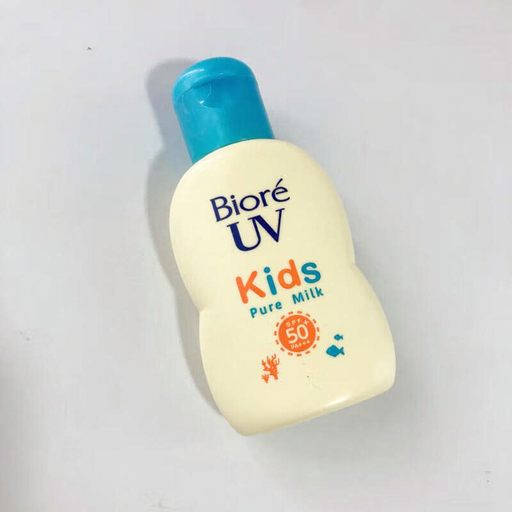
Why This Fits Their Persona: A purely mineral sunscreen developed specifically for children's sensitive skin, but also suitable for adults with very sensitive skin who want to avoid chemical filters.
Although it is a mineral formula, the texture is designed as a "Pure Milk" to minimise the strong white cast common with traditional zinc oxide creams.
Free of alcohol, parabens, fragrance, and dyes. According to the manufacturer, the formula is highly resistant to sweat, water, and friction.
A common and practical guideline is the two-finger rule. Dispense two strips of sunscreen onto your index and middle fingers. This amount is generally sufficient for the face and neck to achieve the sun protection factor stated on the packaging. Applying too little significantly reduces protection.
Yes, daily application is recommended. UVA rays, which are a major contributor to skin aging, can penetrate clouds and window glass. Daily sun protection for the face is therefore one of the most fundamental steps in any anti-aging routine, regardless of the season or weather.
SPF (Sun Protection Factor) indicates how well a product protects against UVB radiation, which is responsible for sunburn. An SPF 30 blocks about 97% of UVB rays, while an SPF 50 sunscreen blocks about 98%. The difference may seem small, but the higher factor provides an additional safety buffer, especially for fair, sensitive skin, prolonged sun exposure, or in regions with high UV intensity.