
Lieferung heute & morgen

Qualitätsgarantie

Willkommens-Angebote freischalten: KOSTENLOSE Lieferung | Bis zu 80 % RABATT | Kostenlose 30-Tage-JoyPlus-Testphase
App herunterladen
Finding the right sunscreen for your face can quickly become complicated. The market is filled with promises, but not every product delivers on them. Many users invest in products that don't suit their skin type, feel uncomfortable on the skin, or simply fail to provide the expected protection. This guide will help you understand the key criteria and avoid common purchasing pitfalls.
As a Joybuy Product Recommendation Officer, I analyse product information to give you objective and practical advice. The goal is to provide you with a solid basis for an informed decision that goes beyond pure marketing.
Before we dive into the technical details, let's clear up three common misconceptions that often lead to poor product choices.
To find a sunscreen that protects effectively and is also comfortable to wear, you should focus on three fundamental properties.
The type of UV filter determines how the product works and feels on the skin.
An effective sunscreen must protect against both types of UV rays.
Modern sunscreens are more than just protection. They are skincare products tailored to specific needs.
Here are some product recommendations tailored to different needs and skin types.
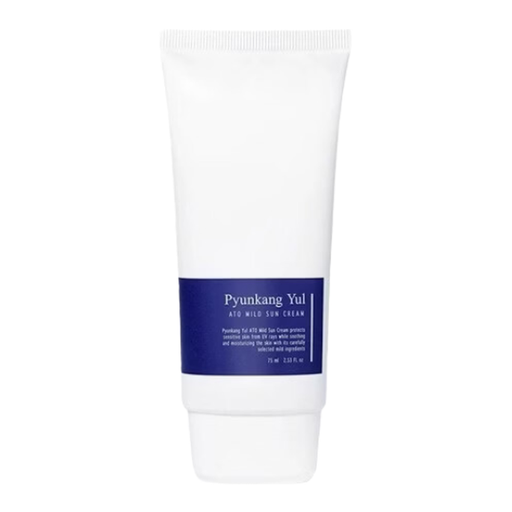
Why This Fits Their Persona: Ideal for users seeking a low-irritant yet highly effective formula. The ATO line is specifically designed for sensitive and dry-prone skin, and it avoids unnecessary additives.
This product avoids the "Natural = Better" trap by relying on a clinically-oriented, hypoallergenic formulation instead of potentially irritating plant extracts.
Very high UVA protection (PA++++) and a lightweight texture that doesn't leave a heavy, white film.
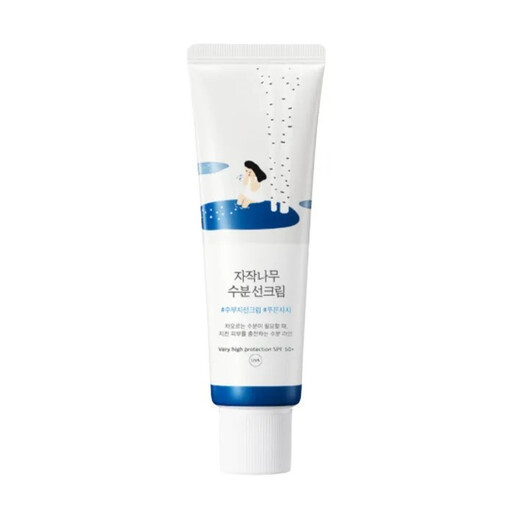
Why This Fits Their Persona: Perfect for lovers of Korean skincare who want an ultra-light, serum-like texture. This product feels like a moisturiser while providing protection.
It debunks the myth that high SPF has to be sticky or heavy. The formula absorbs quickly, leaves no white cast, and is therefore ideal for daily use.
Provides intense hydration with Birch Sap and Hyaluronic Acid. It acts like a hydrating serum with the added benefit of high broad-spectrum protection.
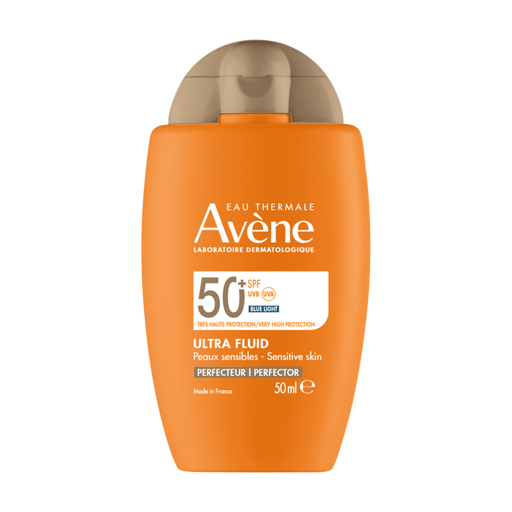
Why This Fits Their Persona: For anyone who wants an even complexion without heavy makeup. This tinted fluid combines very high sun protection with a subtle tint, serving as a perfect makeup base.
This product is more than just a tinted day cream. It contains the advanced TriAsorB filter, which protects against HEV blue light in addition to UVA/UVB—a level of protection many makeup products lack.
A multi-functional solution: very high protection, a light tint, and a formula developed for sensitive skin. The ultra-light texture is another major plus.
We have compiled a complete, up-to-date list of products that fully meet these strict selection criteria and safety standards.
1. How much sunscreen should I use on my face? A common and practical method is the "two-finger rule." Apply a line of sunscreen along your index and middle fingers. This amount is generally sufficient to adequately protect your face and neck. Using too little significantly reduces the stated Sun Protection Factor.
2. Can I still use last year's sunscreen? Check the Period After Opening (PAO) symbol on the packaging. It looks like an open jar with a number (e.g., "12M" for 12 months). If this period has passed, or if the texture, colour, or smell has changed, the product should be discarded, as the effectiveness of the UV filters can no longer be guaranteed.
3. Do I need to apply face sunscreen on cloudy days or in the winter? Yes. Up to 80% of UVA rays can penetrate cloud cover. Since UVA radiation is present year-round and is a major contributor to skin ageing, daily application is recommended for consistent protection.