
Lieferung heute & morgen

Qualitätsgarantie

Willkommens-Angebote freischalten: KOSTENLOSE Lieferung | Bis zu 80 % RABATT | Kostenlose 30-Tage-JoyPlus-Testphase
App herunterladen
For many people, face sunscreen SPF 50 is part of their daily skincare routine – not just in summer. Yet similar packaging, unclear claims and unsuitable textures can often lead to the wrong purchase. A cream may offer the right sun protection factor on paper, but still feel too greasy, drying, fragranced or heavy under make-up in everyday use.
This buying guide explains which details really matter when choosing face sunscreen, and which product profiles may suit different skin types and routines.
The SPF value primarily indicates protection against UVB rays, which can cause sunburn. For everyday facial sun protection, you should also look for a stated level of UVA protection. Claims such as ‘UVA/UVB’ or ‘broad-spectrum protection’, and the UVA symbol on the packaging, are useful points of reference.
No sunscreen offers complete protection from ultraviolet radiation. It’s still important to seek shade, wear clothing and sunglasses, and avoid the strongest midday sun.
‘For all skin types’ doesn’t automatically mean a formula will feel equally comfortable for everyone. A rich gel-cream may suit dry skin, but leave oily skin looking shiny. Conversely, a lightweight, alcohol-based fluid may feel uncomfortable on sensitive or dry skin.
So look out for terms such as oil-free, non-comedogenic, fragrance-free, gel, fluid or tinted too. The most reliable way to assess how well a product suits your skin is to test it on a small area first.
A thin layer isn’t enough to provide the sun protection factor stated on the packaging. Apply sunscreen evenly to your face, ears and neck. Reapply after sweating, swimming or drying yourself with a towel, and after spending a long time outdoors.
SPF 50+ sunscreen is particularly useful if you spend a lot of time outdoors or prefer a high level of protection. As well as checking for SPF 50+, look for a clear indication of UVA protection. Korean products often also carry a PA++++ rating. This comes from a different rating system, so consider it alongside the European markings on the product.
Lightweight fluids, gel formulas and watery textures are often practical for everyday use. A mattifying finish can feel comfortable on oily and combination skin. Tinted sunscreens can help even out the appearance of your skin tone, but don’t automatically replace separate make-up.
If you wear sunscreen under make-up, choose a formula that has time to sink in after application. Otherwise, layering it over several skincare products can cause pilling. Give each layer a little time to settle before applying the next.
For sensitive skin, fragrance-free formulas may help you narrow down your options. For oily or blemish-prone skin, claims such as oil-free or non-comedogenic may be worth considering. However, neither guarantees that a product will suit your skin.
Check the current INCI list on the packaging, as formulas can change. Fragrances, alcohol, certain UV filters and plant-derived ingredients may suit some skin types better than others. If irritation persists, stop using the product and seek medical advice if necessary.
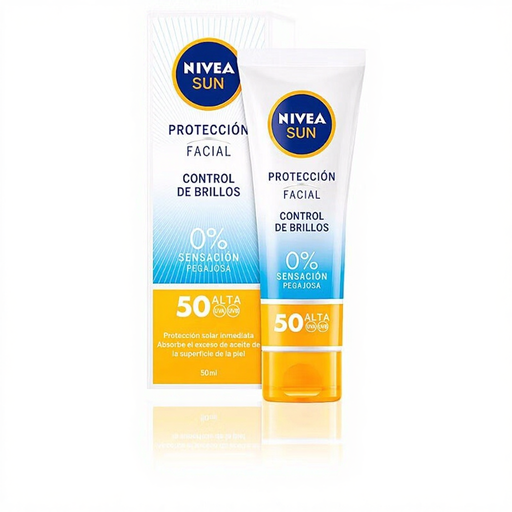
Why it suits this profile: This 50 ml formula for the face is designed to leave a matte finish and, according to the product information, contains ingredients including starch and silica. It could be worth considering for everyday use if you have oily or combination skin.
The choice takes into account not only the SPF, but also the stated shine-control finish. Check the full INCI list for fragrances and any ingredients your skin may not tolerate before buying.
SPF 50, for the face, 50 ml and a finish designed to control shine.
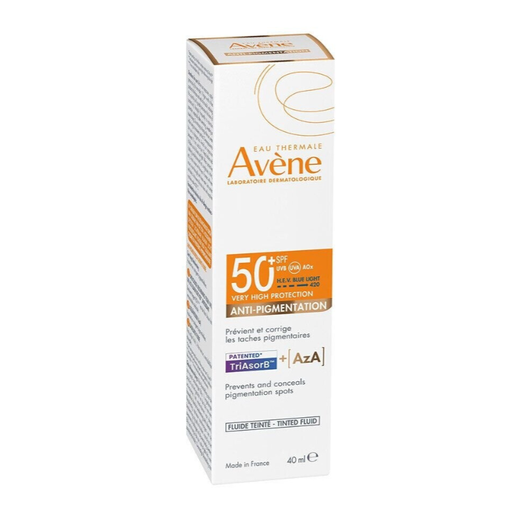
Why it suits this profile: According to the product description, this tinted fluid is intended for sensitive skin and offers SPF 50+. Its lightweight, tinted texture may appeal if you want to combine a natural-looking complexion with sun protection for your face.
The tinted formula makes the product’s purpose clearer than a vague ‘glow’ claim. If you have sensitive skin, a patch test and a check of the current ingredient list are still important.
SPF 50+, UVA/UVB protection, 40 ml, tinted fluid texture and fragrance-free according to the product information.
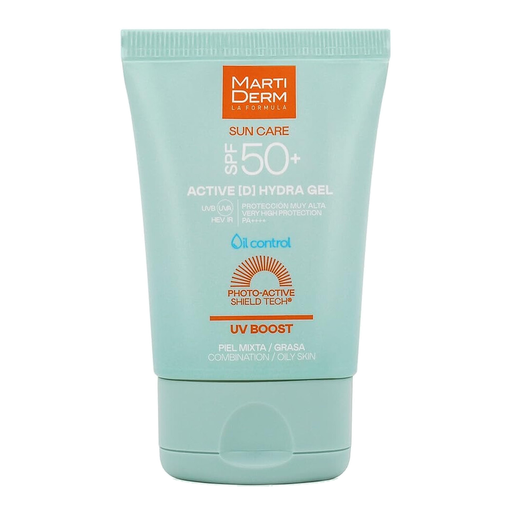
Why it suits this profile: According to the product information, it is intended for normal, combination and oily skin. The 50 ml gel lotion is described as sweat-resistant and fragrance-free, making it an option to consider for commuting, outdoor exercise or spending longer periods outside.
Details about skin type, texture and reapplication help you look beyond SPF alone and consider practical factors too. Applying too little will reduce protection here as well.
SPF 50+, gel lotion, 50 ml, fragrance-free and, according to the product information, suitable for the face, neck and décolletage.
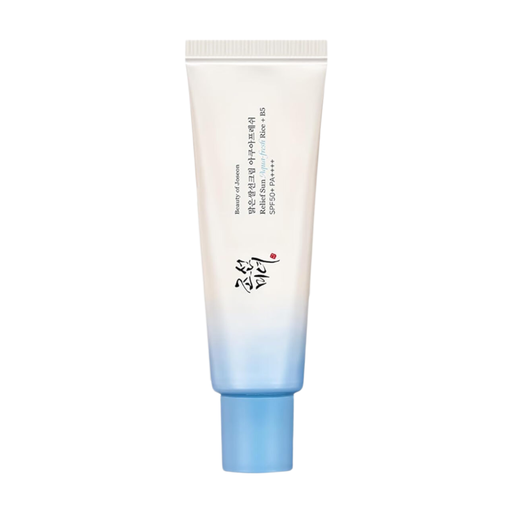
Why it suits this profile: According to the product description, this water-light lotion contains rice germ water and panthenol. It may appeal if you’re looking for lightweight face sunscreen with SPF 50+ that leaves your skin feeling fresh.
As well as SPF 50+, this choice takes texture and layering into account. If you have sensitive skin, check the ingredients beforehand too.
SPF 50+, PA++++, 50 ml, lightweight lotion, plus rice water and panthenol according to the product information.
We’ve put together a complete, regularly updated list of products that meet these strict selection criteria and comply fully with the safety regulations in force in the EU.
UV radiation isn’t limited to hot summer days. For everyday use, face sunscreen with SPF 30 to SPF 50+ may be a good choice, particularly if you spend a long time outdoors. The right option depends on your skin type, the time of year, how long you’ll be outside and your personal routine.
The level of protection depends on using enough product. The two-finger rule for the face and neck is often used as a practical guide. The important thing is to cover these areas fully and evenly. If you’re spending a long time in the sun, reapply regularly.
Yes. Lightweight fluids, gel textures and non-greasy sunscreens are often well suited to wearing under make-up. Let the sunscreen sink in for a little while before applying foundation or concealer. A tinted sunscreen can reduce the number of steps in your complexion routine, but it won’t necessarily replace every make-up product you want to use.