
Lieferung heute & morgen

Qualitätsgarantie

Willkommens-Angebote freischalten: KOSTENLOSE Lieferung | Bis zu 80 % RABATT | Kostenlose 30-Tage-JoyPlus-Testphase
App herunterladen
A face sunscreen SPF 50 is part of many people’s daily skincare routine. Yet a wide selection doesn’t automatically lead to a good purchasing decision. Terms like “invisible”, “light” or “for sensitive skin” often only describe part of a product’s features. What really matters are the details on UV protection, texture, ingredients and application.
The SPF value primarily describes protection against UVB radiation, which among other things causes sunburn. For daily facial sun protection, UVA protection is also important. So look out for indicators such as UVA in a circle, “Broad Spectrum” or, with Korean sunscreen, PA++++. PA++++ is a mark of high UVA protection according to the corresponding Asian rating system, but it doesn’t replace checking the product labelling and EU-compliant information.
A sunscreen without a white cast or white film can spread pleasantly. However, whether it works under make-up also depends on the finish, drying time and how it combines with other skincare products. Mineral filters like zinc oxide or titanium dioxide can appear more visible in certain formulations. Transparent or chemical filter systems often feel lighter, but aren’t equally comfortable for every skin type.
A thin layer of light sunscreen may look unobtrusive, but it might not achieve the stated level of protection. For the face and neck, the two-finger rule is often used as a practical guide: two strips of product along the index and middle fingers can serve as a rough amount. Reapplication is necessary after prolonged sun exposure, sweating, swimming or towel drying.
For everyday use in the UK, SPF 50 or SPF 50+ is a sensible choice, especially in strong sun, with fair skin or during longer periods outdoors. Also check whether the manufacturer indicates UVA protection. For sport and holidays, a water-resistant formulation can be practical. However, “water-resistant” doesn’t mean the protection remains unchanged after swimming or towel drying.
For dry skin, moisturising sunscreens with glycerin, hyaluronic acid, panthenol or plant extracts can be comfortable. If you’re prone to blemishes or a shiny finish, look for light lotions, gel textures or mattifying products with silica.
For sensitive or redness-prone skin, it’s worth checking for fragrance, alcohol and known allergens. Plant-based fragrances aren’t automatically irritation-free either. A small patch test on an inconspicuous area of skin can be sensible before first use. If irritation persists, stop using the product and, if necessary, seek dermatological advice.
A classic lotion works well for your morning routine. A sun stick, cushion or sun spray is practical for on-the-go and for topping up. Sticks and cushions don’t automatically replace the initial generous layer, as it’s easy to use too little product when reapplying. Sun sprays shouldn’t be sprayed directly towards the eyes or airways on the face. With a spray, it’s recommended to dispense the product into your palms first and then apply.
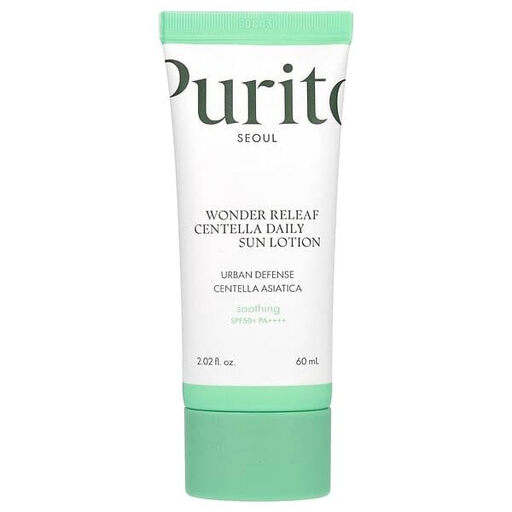
Why this product fits the profile: The light lotion is designed for daily use on the face and combines SPF50 with centella asiatica extract, niacinamide and several forms of hyaluronic acid.
The product description mentions a non-greasy lotion texture and no common fragrance allergens. Nevertheless, checking the current packaging information is still advisable.
60 ml size, centella asiatica extract with stated quantity and multiple hyaluronic acid derivatives.
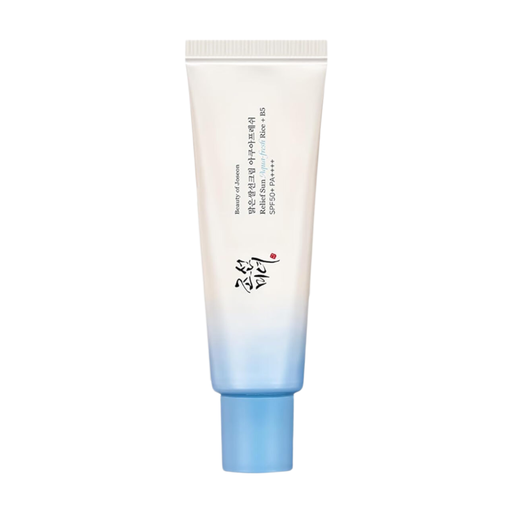
Why this product fits the profile: The watery lotion texture is aimed at users looking for a light sunscreen with SPF50+, PA++++ and an unobtrusive skin feel.
According to the product description, the formulation is said to be free of white cast and sticky residue. Individual skin reaction determines actual skin compatibility.
SPF50+, PA++++, rice water and panthenol; designed for layering and use under make-up.
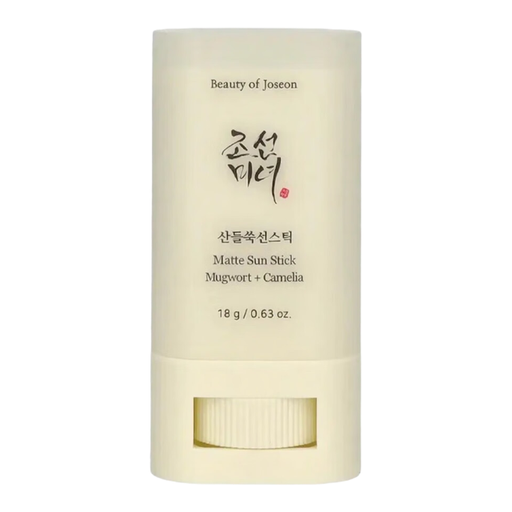
Why this product fits the profile: The compact sun stick is ideal for topping up on the go, whether on your way to work or during longer periods outdoors.
The handy format makes regular reapplication easier. However, a sufficient amount of a lotion should still be used for the initial application.
SPF50+, mattifying finish, compact 18 g size and extracts of mugwort and green tea.
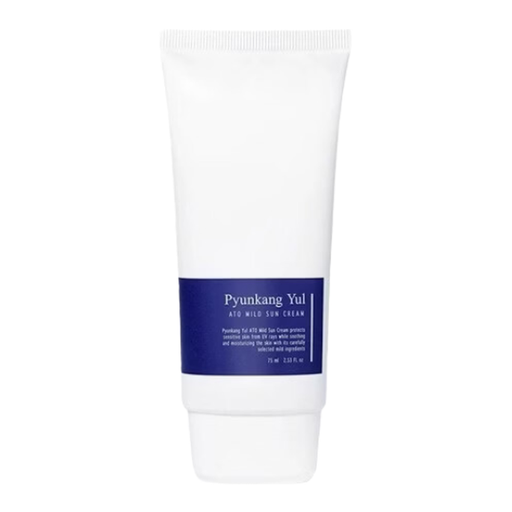
Why this product fits the profile: The ATO line is designed for gentle daily facial care and is offered for dry, sensitive or atopic-prone skin.
The product description indicates a light, non-greasy texture and reduced white residue. A patch test is still recommended for reactive skin.
SPF50, PA++++, designed for sensitive skin and 75 ml pack for regular use.
Apply your face sunscreen as the last step of your morning skincare routine. During prolonged UV exposure, reapply regularly. Also bear in mind:
As a practical guide, the two-finger rule applies for the face and neck. An even, sufficiently thick layer is crucial. If you apply too little, the actual protection drops significantly.
During a normal day, reapplying during the day can be sensible. After sweating, swimming or towel drying, reapplication should happen sooner. A sun stick or sun spray can make topping up on the go easier, but doesn’t necessarily replace the initial generous layer.
Follow the jar symbol with the period-after-opening (PAO) indication, as well as the best-before or expiry date on the packaging. If the smell, colour or consistency changes, the product should no longer be used. Sunscreens should also not be left permanently in a hot car or in direct sunlight.