
Lieferung heute & morgen

Qualitätsgarantie

Willkommens-Angebote freischalten: KOSTENLOSE Lieferung | Bis zu 80 % RABATT | Kostenlose 30-Tage-JoyPlus-Testphase
App herunterladen
Face sunscreen SPF 50 is part of many people’s morning routine. But product claims such as ‘invisible’, ‘instantly mattifying’ or ‘skincare and sun protection in one’ don’t necessarily help you choose the right product. What matters is how you actually use it, its texture, the protection information and how well the formula suits your skin.
SPF 50 describes protection against UVB rays under standardised testing conditions. Applying too little can significantly reduce the level of protection. The two-finger rule is often used as a practical guide for applying sunscreen to your face and neck. If you’re spending a long time outdoors, reapply regularly, especially after sweating, swimming or drying yourself.
A lightweight sunscreen with no white cast can look different depending on your skin tone, how much you apply and what you apply it over. Mineral filters such as titanium dioxide can leave visible residue, while modern organic filters often blend in more transparently. A mattifying finish can also look different after several layers, or on dry skin, compared with the first application.
A day cream with SPF 50 can be convenient, as long as you apply enough. If you only apply a thin layer, as you would with a regular moisturiser, you might not get the protection stated on the packaging. For longer outdoor activities, a product specifically labelled as sunscreen is usually easier to assess in terms of how to use it and when to reapply.
SPF 50 or SPF 50+ indicates a high level of UVB protection. For everyday use, you should also check that the product offers UVA protection. The EU UVA symbol in a circle is an important indicator. PA++++ comes from the Asian rating system and indicates a high UVA protection rating there. It isn’t the same as the European UVA label, but it can be a useful additional guide when choosing K-beauty sunscreen.
The ingredient list on the packaging is the one to rely on, as formulas can change. Check for:
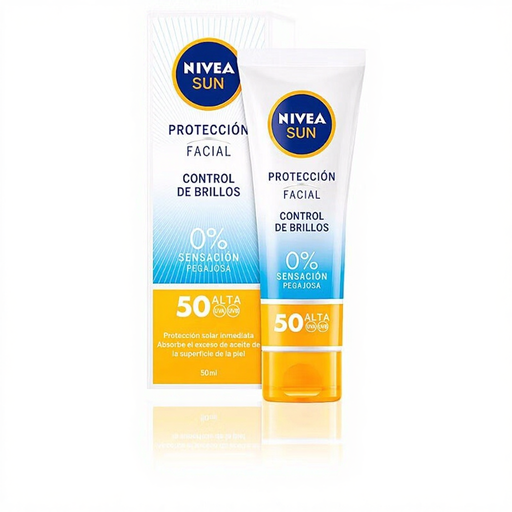
Why this product suits this profile: This SPF 50 face formula is designed to leave a less shiny finish. It’s a good option if you’re looking for an uncomplicated face sunscreen for everyday use.
The product information specifically says it’s for use on the face, with guidance to apply generously and reapply.
SPF 50, a 50 ml size and a formula containing tapioca starch and silica, according to the product information.
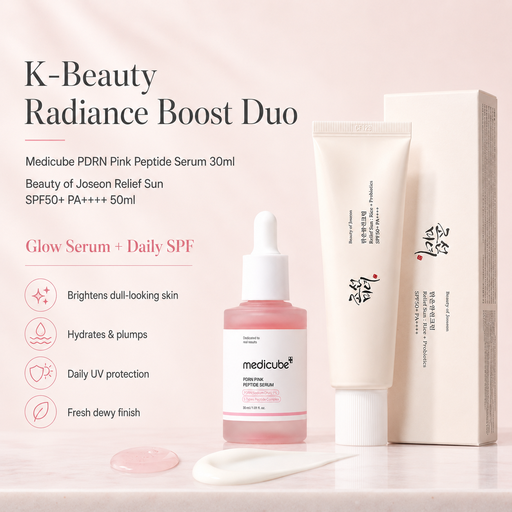
Why this product suits this profile: This set pairs a serum with Beauty of Joseon Relief Sun Rice + Probiotics SPF50+ PA++++. It’s aimed at anyone looking to combine hydration and UV protection in a structured morning routine.
Keeping the steps separate makes it clear how much skincare and how much sunscreen you’re using; sunscreen remains the last step in your morning routine.
SPF50+ PA++++, 50 ml of sunscreen and rice extract, according to the product description. The set also includes a 30 ml serum.
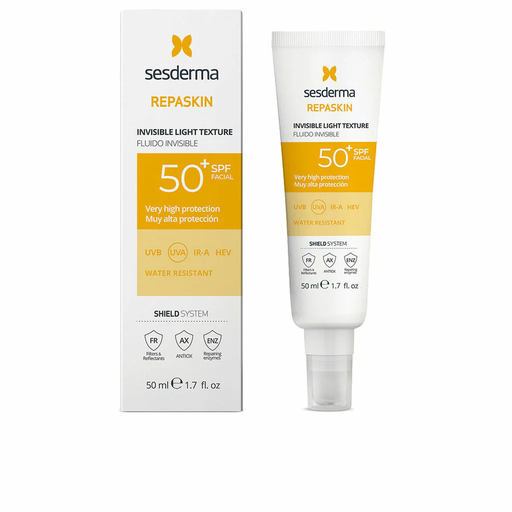
Why this product suits this profile: This fluid is a good choice if you prefer a lightweight product for your commute, travel, days outdoors or as sunscreen under make-up.
The product information clearly describes its texture and finish: a lightweight, non-greasy, mattifying fluid. This makes it easier to choose than products with vague ‘invisible’ claims.
SPF 50, 50 ml, a fluid texture and a water-resistant, non-comedogenic formula, according to the product information.
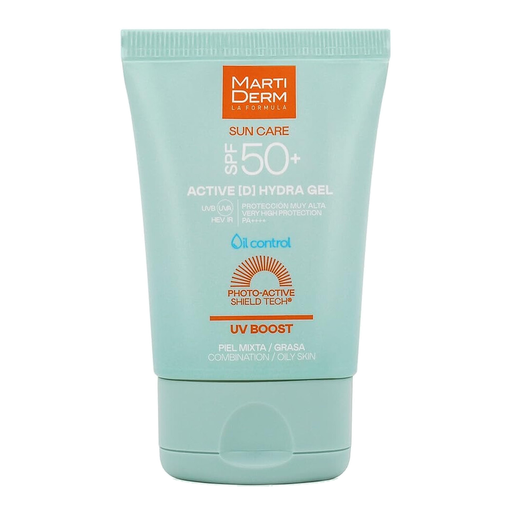
Why this product suits this profile: According to the product information, this gel lotion is for normal, combination and oily skin. It’s designed for everyday use and sporting activities.
The product information specifically names suitable skin types, texture, fragrance-free status and directions for use, rather than making only general skincare claims.
SPF 50+, a gel lotion texture, fragrance-free and a sweat-resistant formula, according to the product description.
Apply face sunscreen as the last step in your morning skincare routine, covering your face, neck, ears and any other exposed areas. Let your skincare products sink in first. Reapply after prolonged UV exposure, sweating or drying yourself. A sun hat, clothing, shade and avoiding the strongest midday sun all help to protect you. No product offers complete protection from UV rays.
If you have sensitive skin, check the current ingredient list and try a small amount first. Stop using the product if you experience burning, persistent redness or itching.
We’ve put together a complete, regularly updated list of products that meet these strict selection criteria and fully comply with the safety regulations in force in the EU.
As a practical guide, use about two finger lengths for your face and neck. Make sure you spread it evenly. If you apply considerably less, the actual protection may be lower than the stated SPF.
Check the PAO symbol, the best-before date and the guidance on the packaging. Heat, direct sunlight and leaving a product open for a long time can affect its formula. Store sunscreen in a cool, dry place with the lid firmly closed.
Yes, as long as its texture works with your skincare and foundation. A sun fluid or lightweight gel cream often absorbs more quickly. Apply enough sunscreen first, then wait a little before putting on make-up. You’ll still need to reapply if you’re outdoors for a long time.