
Lieferung heute & morgen

Qualitätsgarantie

Willkommens-Angebote freischalten: KOSTENLOSE Lieferung | Bis zu 80 % RABATT | Kostenlose 30-Tage-JoyPlus-Testphase
App herunterladen
A face sunscreen SPF 50+ should offer reliable protection, feel comfortable on the skin, and fit seamlessly into your daily routine. Yet eye-catching marketing claims don’t automatically lead to the right product. For instance, a particularly lightweight texture is often promoted, even though the formula contains a lot of alcohol or fragrance. Similarly, an “invisible” finish can look different depending on your skin type.
SPF 50 or SPF 50+ mainly describes the tested UVB protection. The label doesn’t mean you can stay in the sun indefinitely. What matters is applying enough product and reapplying regularly. For the face, don’t forget the ears, hairline and neck.
A sun fluid, sun gel or lightweight sunscreen can feel pleasant under make-up. However, if the formula contains alcohol, fragrance or certain preservatives, it may be less suitable for sensitive or redness-prone skin. The full INCI list on the packaging is therefore more important than the texture description on the front.
A mineral sunscreen with zinc oxide or titanium dioxide can leave visible residue on darker skin tones. Modern formulations reduce this effect, but that doesn’t guarantee it will work for every skin colour. Tinted products can help even out redness, but the shade needs to match your own skin tone.
For daily facial protection, SPF 50 or SPF 50+ is a popular choice. Also look for clearly stated UVA protection. With Korean sunscreen and Japanese sunscreen, you’ll often see the PA++++ rating. This indicates a high level of UVA protection within their respective labelling systems. In the UK, you should also check the manufacturer’s details and compliance with current EU cosmetics regulations.
For the beach, cycling or sport, a water-resistant or sweat-resistant claim is useful. However, protection must still be reapplied after swimming, heavy sweating or towel drying.
Apply the product as the last step of your morning skincare routine. A short wait time between skincare and make-up can help. For prolonged UV exposure, reapply regularly. A sun stick is handy on the go, but it doesn’t replace a thorough initial application with a generous amount of cream or fluid.
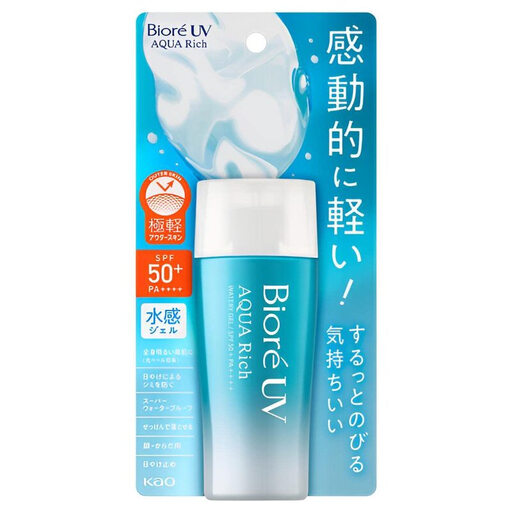
Why this product fits the profile: This Japanese face sunscreen is described as a lightweight watery-gel texture for face and body, making it a great daily starter option.
The product details list SPF 50+ and PA++++, along with a fast-absorbing, non-greasy texture with no visible white residue.
70 ml content, watery-gel texture and, according to product details, a fragrance-free formula.
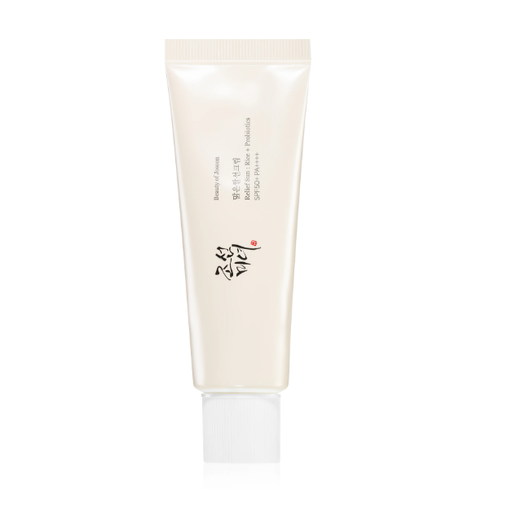
Why this product fits the profile: According to the product description, this Korean sunscreen combines high UV protection with a creamy, lightweight skincare texture.
The details mention layering without a sticky feel and SPF 50+ PA++++, rather than just promoting a dewy glow.
30 % rice extract according to product details, plus several fermented ingredients and niacinamide.
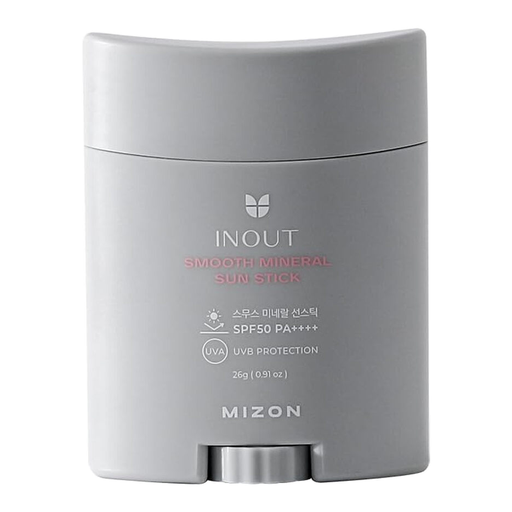
Why this product fits the profile: This mineral sunscreen in a stick format is ideal for reapplication on the go, when travelling, or during longer periods outdoors.
The stick reduces the need for direct hand contact when reapplying. For the first layer, even and generous application remains important.
Zinc oxide as a declared mineral UV filter, SPF 50+ PA++++ and 26 g content.
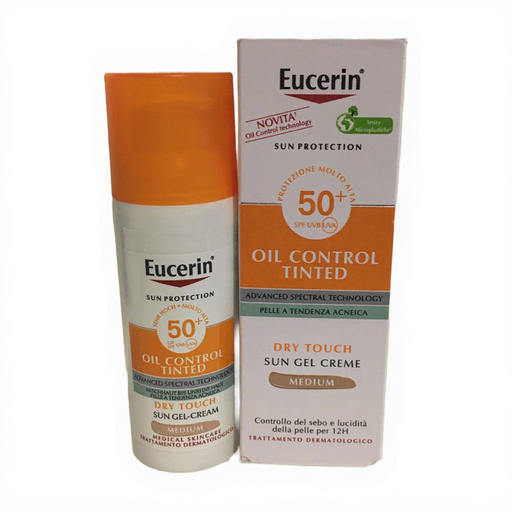
Why this product fits the profile: According to the product description, this tinted gel-cream is designed for combination and oily skin, combining SPF 50+ with a matte finish.
The tint can help reduce the white cast visually. Still, you should check the shade against your own skin before buying.
Oil-free, fragrance-free and non-comedogenic formula according to product details; water-resistant.
Using too little significantly reduces the actual protection you get. A practical guide is the two-finger rule for the face and neck: squeeze two strips of product along your index and middle fingers, then spread it evenly. For prolonged sun exposure, reapply regularly.
In daily life, how often you need to reapply depends on UV exposure, sweating, swimming and towel drying. It’s a good idea to reapply after these activities. A sun stick shouldn’t just be swiped repeatedly over an insufficient base layer; it’s mainly for topping up.
Check the best-before date or the PAO symbol on the packaging, for example “12M” for twelve months after opening. Store the product in a dry, cool place away from direct sunlight. If the smell, colour or consistency changes, stop using the sunscreen.