
Lieferung heute & morgen

Qualitätsgarantie

Willkommens-Angebote freischalten: KOSTENLOSE Lieferung | Bis zu 80 % RABATT | Kostenlose 30-Tage-JoyPlus-Testphase
App herunterladen
A face sunscreen needs to meet several requirements for everyday use: it must provide sufficient UVA and UVB protection, spread comfortably and work well with the rest of your skincare or make-up. Products can also differ considerably in terms of sun protection factor, texture, fragrance and additional skincare benefits.
However, if you focus only on a prominent advertising claim, it is easy to buy something that does not meet your actual needs. Three common pitfalls are particularly likely to result in the wrong purchase.
SPF primarily indicates protection against UVB radiation, which is associated with sunburn. For daily protection of the face, clearly stated UVA protection is also important. UVA radiation can penetrate deeper into the skin and can remain effective in cloudy weather or through window glass.
Look out for information such as UVA/UVB protection or the UVA symbol in a circle on products sold in Europe. A high SPF alone does not answer every question about the level of protection provided.
A face cream with UV protection or day cream with SPF can moisturise the skin and work well as a make-up base. However, if too little product is applied, the actual protection achieved will be lower than the value stated on the packaging.
Apply a sufficiently generous amount to your face, neck and décolletage, and reapply regularly during prolonged sun exposure. Sweat, rubbing, water and drying yourself can all affect the protective layer.
The term water-resistant refers to defined testing conditions. It is not a licence to spend hours in the water without taking further precautions. Sunscreen should be reapplied after swimming, heavy sweating or drying yourself.
A water-resistant sun lotion for the body is not automatically the most comfortable solution for your face. Facial skin may react more sensitively to fragrances, alcohol or certain filters.
SPF 30 face sunscreen is suitable for many everyday situations, such as commuting to work, spending short periods outdoors or being out on cloudy days. SPF 50 face sunscreen, or SPF 50+, is a sensible option in intense sunlight, during longer periods outdoors, for fair skin types or if you are particularly sensitive to light.
The sun protection factor should suit the situation in which you plan to use it. Even application, a sufficient quantity and regular reapplication remain essential.
Before buying, compare SPF, UVA labelling, fill quantity, fragrance, alcohol and filter type. For sensitive skin, “for all skin types” is merely a general claim by the manufacturer and is not a guarantee of individual tolerance. The current packaging and the INCI list shown there are authoritative, as formulations may change.
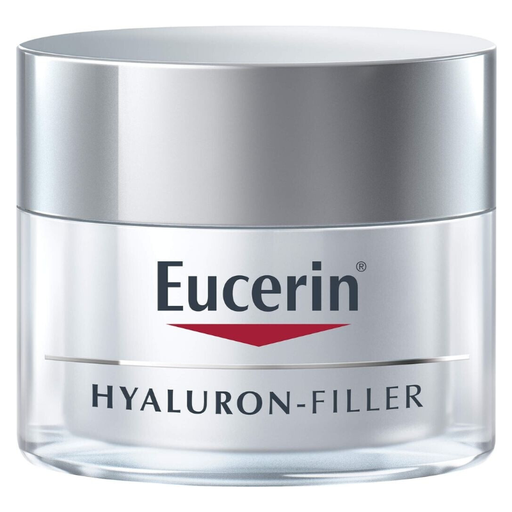
Why this product suits this profile: This day cream combines SPF 30 with hyaluronic acid and a lightweight cream texture. It can be applied to the face, neck and décolletage in the morning, and used as a make-up base.
The product information clearly states SPF 30 and UVA/UVB protection. This means you do not have to base your choice solely on a general skincare claim.
50 ml content, hyaluronic acid, lightweight texture and suitability for all skin types according to the product description.
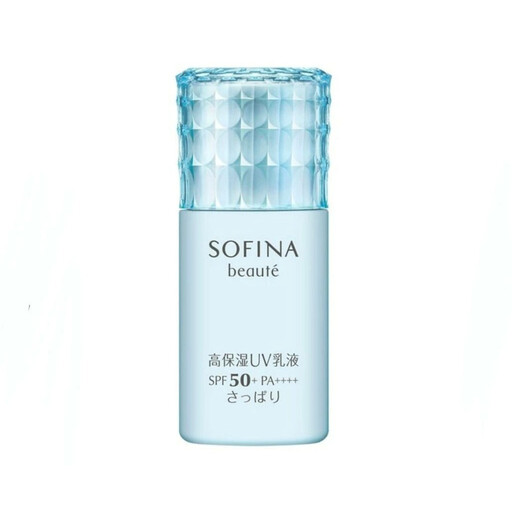
Why this product suits this profile: This lightweight UV milk is designed for daily facial protection with a high SPF. According to the product description, it is particularly suitable for oily and combination skin and leaves a relatively matte feel.
SPF 50+ and the PA++++ rating are clearly stated. The milk texture also addresses the common concern of a heavy, greasy finish.
SPF 50+, hyaluronic acid, 30 ml content and a refreshing, fast-absorbing texture according to the manufacturer’s information.
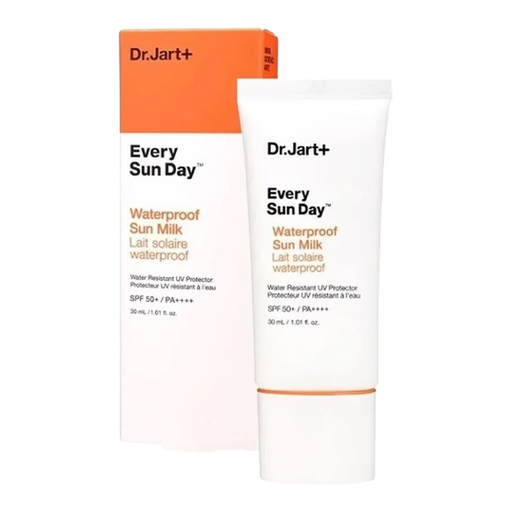
Why this product suits this profile: The product description mentions a lightweight, water-resistant milk texture and SPF 50+. This makes it suitable for active days, provided you reapply after contact with water, sweating or drying yourself.
The water-resistant claim is not treated as meaning the protection lasts indefinitely. Regular reapplication remains part of using the product.
SPF 50+, lightweight milk texture, plus Ceramide NP, niacinamide and glycerine according to the INCI list.
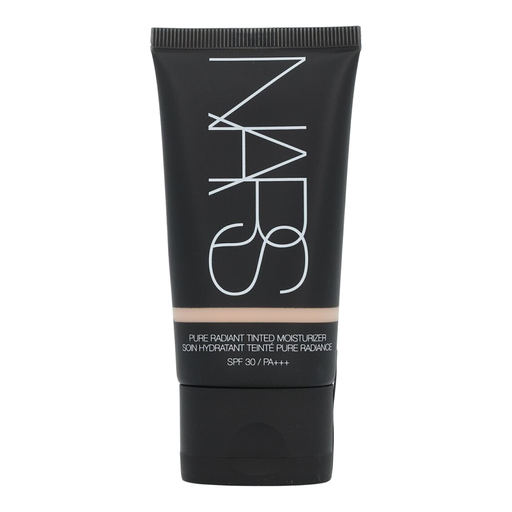
Why this product suits this profile: This tinted moisturiser combines a lightweight texture with a shade of colour. It can be used on its own as an everyday moisturiser or underneath additional foundation.
The shade Groenland (Light 3) is stated specifically. This allows you to check before buying whether it is suitable for your skin tone.
SPF 30/PA+++, 50 ml content, an oil-free claim and Ascorbyl Glucoside in the INCI list.
We have put together a complete, regularly updated list of products that fully meet these strict selection criteria and the safety regulations applicable in the EU.
Apply face sunscreen in the morning as the final step in your skincare routine. Spread it evenly over your face, ears, neck and décolletage. If you wear make-up, a tinted product can simplify your routine; for longer periods outdoors, the amount applied is crucial.
If you have sensitive skin, test new products on a small area first. Stop using the product if redness, burning or itching occurs. Avoid contact with the eyes.
SPF 30 may be sufficient for many everyday situations when the product is applied generously and evenly. SPF 50 or SPF 50+ may be more suitable in intense sunlight, during longer periods outdoors or for particularly light-sensitive skin. Also look for UVA protection.
Regular reapplication is recommended in direct sunlight, particularly after sweating, swimming, drying yourself or friction from clothing. The exact frequency depends on your activity, the product and your surroundings. Reapplying does not extend the safe amount of time you can spend in the sun indefinitely.
This depends on the SPF, UVA labelling and amount applied. A day cream with SPF can be practical for everyday use. For prolonged or intense sun exposure, a facial sunscreen specifically designed for the purpose is often easier to apply in the quantity you need.