
Lieferung heute & morgen

Qualitätsgarantie

Willkommens-Angebote freischalten: KOSTENLOSE Lieferung | Bis zu 80 % RABATT | Kostenlose 30-Tage-JoyPlus-Testphase
App herunterladen
A face toner can add moisture after cleansing and prepare your skin for serum or moisturiser. However, not every toner is right for every routine. There are clear differences between watery toners, rich treatment lotions and micellar waters.
If you only focus on terms like "glow", "luxury" or "intensive care", you can easily miss the crucial details. The following criteria will help you separate marketing claims from practical product features.
A micellar water is primarily a cleansing product. You apply it with a cotton pad, and it can remove make-up, sebum and dirt. A classic toner or treatment lotion, on the other hand, is usually used after cleansing and stays on the skin as a skincare step.
A micellar water can be used in the morning to freshen up or in the evening as a make-up remover. For sensitive or dry skin, it can be a good idea to rinse your skin afterwards with water or follow with another gentle cleansing step if a film feels uncomfortable.
Milky or gel-like formulations often feel richer than a water-light toner. However, that alone says little about whether it suits your skin type. What really matters are humectants such as glycerin, hyaluronic acid, betaine or panthenol, as well as the overall composition of your skincare routine.
A toner for dry skin can have a creamier texture. For combination or oily skin, a light lotion can be more comfortable because it spreads more quickly and leaves fewer residues.
Rice water, algae extracts, rose water or botanical components can be part of a cosmetic formulation. However, they are not a standalone guarantee of a specific skincare benefit. Similarly, a high brand price does not automatically mean better skin tolerance.
So always check the current INCI list, the fill volume, the usage instructions and any fragrance or alcohol content. If you have known intolerances, the individual ingredient list should take priority over advertising claims.
The order of the INCI list gives you an indication of which ingredients are present in the largest quantities. For very dry or sensitive skin, ethanol, perfume and essential oils can be relevant. That doesn't automatically mean a product is unsuitable, but you should make your choice more carefully.
The DECORTÉ AQ Absolute Treatment Hydrating Lotion II is listed with ethanol and fragrance in the product information. If you react sensitively to these ingredients, check the current packaging label before buying. Even natural cosmetics or products with botanical extracts can trigger individual reactions.
A toner is applied after cleansing using your hands or a cotton pad. Several thin layers may be recommended for water-light Japanese formulations. A cotton pad uses more product, whereas applying with your hands can be more economical.
With micellar water, the fill volume matters especially: 400 ml is suitable for frequent use, while 100 or 200 ml can be more practical for travel. Only open the bottle when necessary and pay attention to the shelf life and batch number on the packaging.
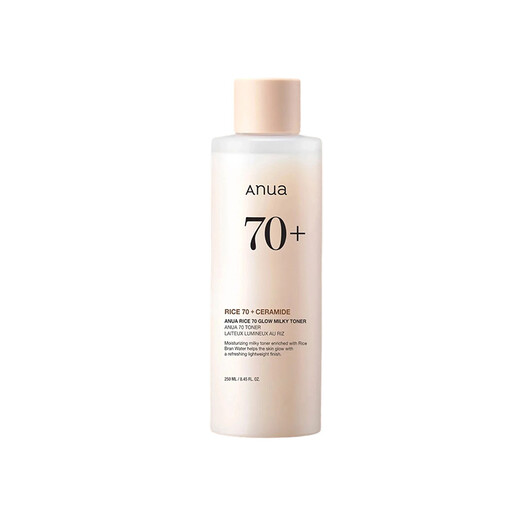
Why this product fits the profile: The 250 ml size and the milky, non-sticky texture are ideal for a straightforward morning and evening routine. According to the product description, the lotion contains rice water, niacinamide and ceramides.
The product information lists specific ingredients and clear usage instructions. This makes it easier to base your choice on the INCI list rather than just glow promises.
250 ml content; milky texture; according to the supplier, intended for daily use and normal as well as sensitive skin types.
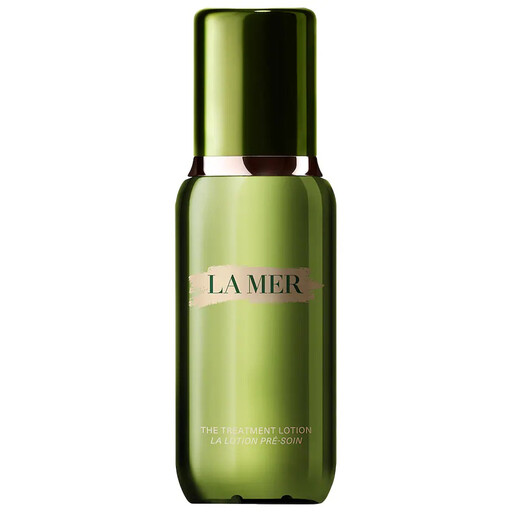
Why this product fits the profile: The treatment lotion is designed as a preparatory skincare step after cleansing and, according to the product description, has a light, fast-absorbing lotion texture.
The product description states the texture and its intended place in your routine. Nevertheless, you should check the current INCI details and fragrance information before buying.
200 ml content; algae extracts and glycerin according to the ingredient list; intended for morning and evening use.
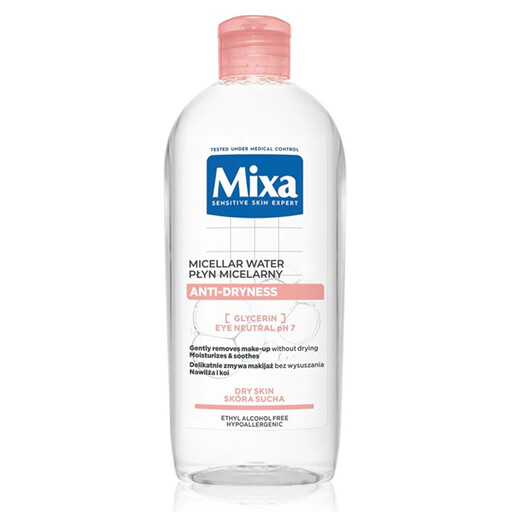
Why this product fits the profile: The 400 ml bottle is designed for regular cleansing and make-up removal. According to the product details, this micellar water has a pH of 5.5 and is alcohol-free.
Its clear classification as a cleansing water prevents confusion with a classic face toner. For heavier make-up, a second cleansing pass may be necessary.
400 ml content; according to the supplier, intended for dry and sensitive skin; cleanses face, eyes and lips without rinsing.
We've put together a complete, regularly updated list of products that fully meet these strict selection criteria and the safety regulations in force in the EU.
When trying a new product, it's a good idea to test a small amount on an inconspicuous area of skin first. If you experience stinging, redness or persistent discomfort, stop using it.
Micellar water is mainly used for cleansing and removing make-up. A face toner or facial water is typically applied after cleansing and is meant to complement your subsequent skincare routine. Some products combine several functions, so the exact product claims are crucial.
Most toners are intended for daily use in the morning and evening. With richer formulations, a thin layer may be sufficient. Always follow the manufacturer's instructions and your own skin's reaction.
Check the packaging, the best-before date or the symbol indicating how long the product lasts after opening. Store the product in a cool, dry place away from direct sunlight. If the smell, colour or consistency changes noticeably, you should stop using it.