
Lieferung heute & morgen

Qualitätsgarantie

Willkommens-Angebote freischalten: KOSTENLOSE Lieferung | Bis zu 80 % RABATT | Kostenlose 30-Tage-JoyPlus-Testphase
App herunterladen
A face toner can hydrate after cleansing, prepare the skin for further care, or, depending on the formulation, reduce excess sebum and dead skin cells. The options range from classic facial toner to a clarifying toner and convenient toner pads.
But not every lotion suits every skin type. If you only focus on terms like “refine pores” or “against spots”, you can easily overlook important details of the formula. These three common buying mistakes can lead to unnecessary expense or dry skin.
A clarifying toner can contain ingredients such as salicylic acid, alcohol or witch hazel. These components are often used for oily, blemish-prone or congested skin. However, on sensitive or already dry skin, such a combination can be uncomfortable.
A toner for blemish-prone skin should not, therefore, be chosen solely on its marketing claims. What matters are the full INCI list, the frequency of use and your individual skin feel.
Cosmetics can temporarily refine the appearance of pores, for example by removing excess sebum or making the skin surface look smoother. A toner will not, however, permanently change the size of your pores. Claims like “close pores” should therefore be treated with caution.
Some offers only list a few active ingredients, while the full ingredient list is missing or the formula can vary from batch to batch. Before buying, you should check the information on the product packaging. This is especially important for salicylic acid toner, fragrances and products for sensitive skin.
First, identify your main skincare goal:
Salicylic acid is used in cosmetic formulations for the surface care of blemish-prone skin. With a salicylic acid toner, you should follow the product instructions and avoid using several strong exfoliating products at the same time without assessing tolerance.
Alcohol Denat. can feel light and refreshing, but it isn’t pleasant for every skin type. Fragrances and declared fragrance allergens such as limonene, linalool or citronellol can be relevant for sensitive skin. If a product contains such ingredients, it should be chosen carefully.
A facial toner is usually used after cleansing. Depending on the product, it is applied with a cotton pad or directly into the palms of your hands. Pads are convenient but generate more packaging and product waste per use.
Also check:
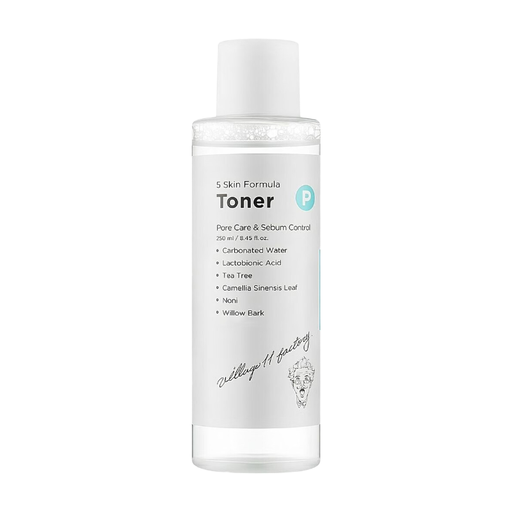
Why this product suits the profile: The 250 ml bottle is designed for regular facial care. According to the product description, the formulation is aimed at oily, combination and blemish-prone skin.
Alongside salicylic acid, the formula includes niacinamide, panthenol and sodium hyaluronate. The formulation is therefore not exclusively focused on clarifying ingredients.
250 ml content; with salicylic acid, niacinamide, centella asiatica, panthenol and sodium hyaluronate.
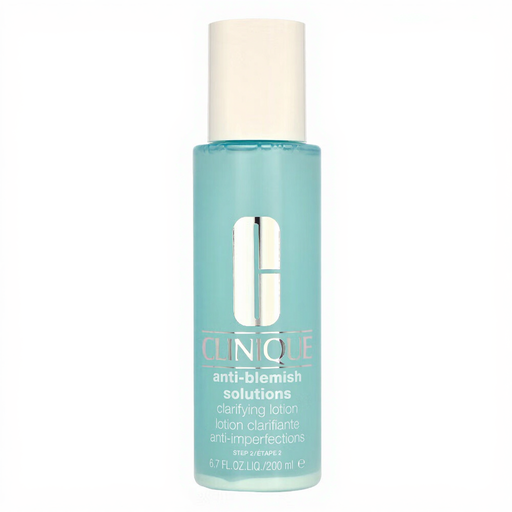
Why this product suits the profile: The details specify a clear application after cleansing and a formula with salicylic acid for blemish-prone skin.
The product information lists both the active ingredient salicylic acid and clear warnings about the eye area, irritation and daily use. This makes it easier to control usage.
200 ml content; with salicylic acid, glycerin, witch hazel extract and acetylglucosamine.
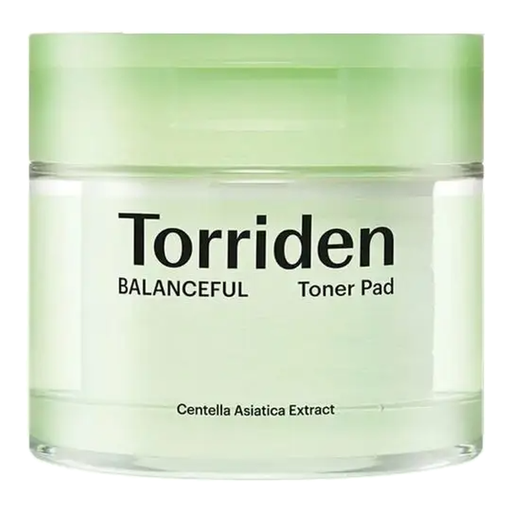
Why this product suits the profile: Toner pads are ideal for on the go, the office or a quick application after sport. The pack contains 60 pads.
The single portion on the pad makes it easier to control the amount. According to the product description, no rinsing is required; application is done without rubbing around the eye area.
60 pads; with centella asiatica extract, panthenol, sodium hyaluronate and allantoin.
We have put together a complete, regularly updated list of products that fully meet these strict selection criteria and the safety regulations in force in the EU.
After cleansing, apply the toner to dry or slightly damp skin. For liquid products, you can use a cotton pad or your palms. Toner pads are gently swept across the face; vigorous rubbing is not necessary.
Afterwards, depending on your routine, follow with serum, moisturiser and, during the day, a sunscreen product. Start with just one clarifying active ingredient and observe your skin. If your skin feels dry, stinging or red, reduce or stop using the product.
That depends on the formula. A hydrating toner can often be used morning and evening. With a salicylic acid toner or an alcohol-based lotion, a gradual introduction is advisable. The manufacturer’s instructions and your individual tolerance are key.
Yes, there are formulations for sensitive skin. Look for as few fragrances as possible, a low alcohol content and soothing ingredients like panthenol or allantoin. A patch test can reduce the risk of an unwanted reaction.
Refer to the printed best-before date and the PAO symbol, if present. Changes in smell, colour or consistency can indicate reduced product quality. The specific shelf life depends on the information on the packaging.