
Lieferung heute & morgen

Qualitätsgarantie

Willkommens-Angebote freischalten: KOSTENLOSE Lieferung | Bis zu 80 % RABATT | Kostenlose 30-Tage-JoyPlus-Testphase
App herunterladen
Pigmentation, age spots and an uneven skin tone can have various causes. If you are looking for a face cream for pigmentation, you should not be guided solely by terms such as “glow”, “brightening” or “anti-ageing”. The key factors are the ingredients, daily UV protection and how well the product suits your skin.
A product may contain vitamin C, niacinamide or Thiamidol without each active ingredient serving the same purpose. Niacinamide for pigmentation is often used in formulations designed to promote a more even skin tone. Thiamidol is a specifically identified active ingredient in certain Eucerin and NIVEA products. However, the results depend on the concentration, formulation and regular use.
A day cream for pigmentation with SPF 30 or SPF 50 can simplify your daily skincare routine. However, sun protection does not replace applying the correct amount. If too little product is used, the actual level of protection will be lower than the value stated on the packaging. For prolonged direct sun exposure, sweating or contact with water, a separate sun protection product with regular reapplication is advisable.
Fragrances, denatured alcohol, essential oils or menthol can feel uncomfortable on sensitive skin. A product that feels light and absorbs quickly is not automatically suitable for every skin type. Before applying it over a larger area for the first time, it is advisable to carry out a patch test on a small area of skin. If redness, burning or itching occurs, discontinue use.
When choosing a cream for dark spots on the face, it is worth checking the complete INCI list. Commonly mentioned ingredients include:
According to an Eucerin clinical study, the Anti-Pigment Day Cream SPF 30 was reported to show initial visible results after two weeks. This information refers to the manufacturer’s claims and should not be understood as a personal guarantee.
A day cream with SPF 30 is practical for many everyday situations. If you are prone to greater sun exposure or want to protect pigmentation as consistently as possible from UV radiation, you may wish to consider a day cream with SPF 50. Also pay attention to the texture: a fluid is often suitable for combination or oily skin, while a richer cream may feel more comfortable on dry or mature skin.
For sensitive skin, short, straightforward formulations without fragrance are often easier to assess. For dry skin, glycerine, ceramides, shea butter or hyaluronic acid may be worth considering. Oily or blemish-prone skin often benefits from lightweight, non-greasy textures. The description “for all skin types” is a general product claim and does not replace checking how well the product suits your individual skin.
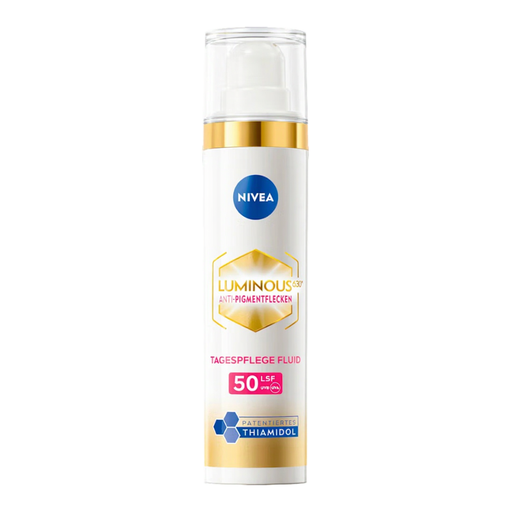
Why this product suits this profile: This fluid combines daily facial care with SPF 50 and a lightweight, fast-absorbing texture. It can support a simple morning routine for normal, mature or sensitive skin.
The stated SPF 50 makes the level of UV protection easy to check at a glance. However, the formula does contain fragrance and denatured alcohol, which should be taken into account if you have sensitive skin.
Thiamidol, also known as LUMINOUS630, vitamin E, hyaluronic acid and SPF 50 in one lightweight fluid.
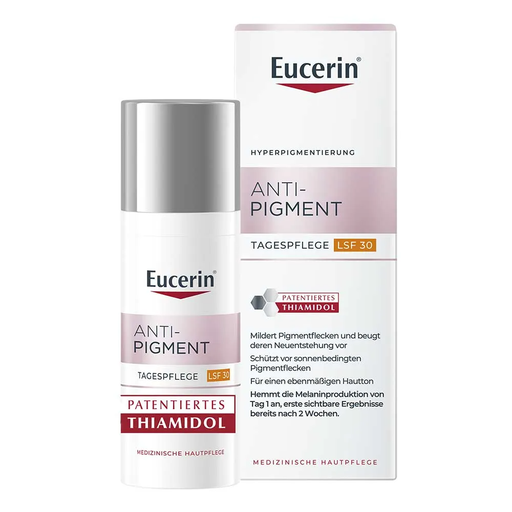
Why this product suits this profile: This day cream is aimed at people who want to combine Thiamidol, UV protection and a dermatologically tested product formulation.
SPF 30 together with UVA, UVB and blue-light protection is clearly stated. According to the product information, Thiamidol products should be used no more than four times a day.
Lightweight, non-greasy texture; according to the manufacturer, clinically and dermatologically tested for skin compatibility.
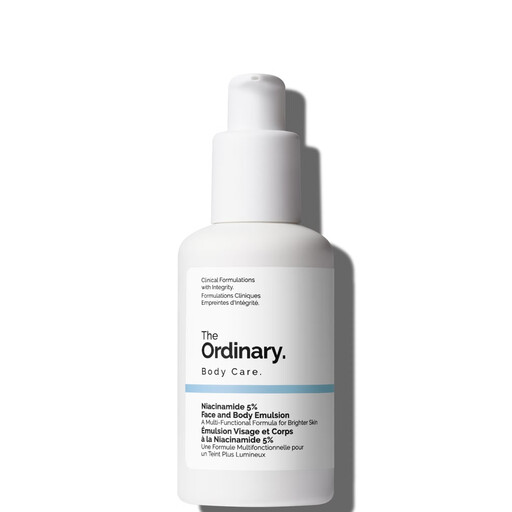
Why this product suits this profile: This emulsion is intended for the face and body, making it suitable for users looking for flexible moisturising care over larger areas.
The stated niacinamide concentration of 5 % is clearly indicated. No UV filter is listed in the product description, so additional sun protection should be used during the day.
Light, serum-like emulsion for the face and body; according to the product information, suitable for all skin types, including sensitive skin.
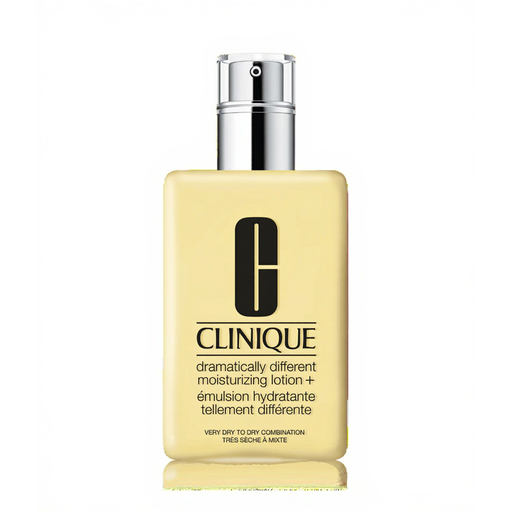
Why this product suits this profile: This fragrance-free lotion is described as daily moisturising care for very dry to dry combination skin and can be used as a skincare step before applying separate sun protection.
The product description explicitly states that it is fragrance-free. As no SPF is specified, a separate sun protection product should be included in your daytime routine.
Glycerine, urea and sodium hyaluronate; according to the product information, fragrance-free, non-comedogenic and dermatologically tested.
We have compiled a complete, regularly updated list of products that fully meet these strict selection criteria and the safety regulations applicable in the EU.
Apply the face cream to cleansed skin and follow the manufacturer’s instructions regarding frequency of use. Products containing specialist active ingredients should not be combined indiscriminately with several other anti-pigmentation products. In the morning, moisturiser and UV protection should be the final steps in your skincare routine. In the evening, a separate anti-ageing face cream or moisturiser may be suitable, provided it is right for your skin.
If pigmentation appears newly, changes over time or looks unusual, it is advisable to seek a dermatological assessment. Cosmetic products are not intended to diagnose or treat skin conditions.
For morning use, a day cream with stated UV protection is practical. Depending on your skin type, you may opt for a lightweight fluid, a classic cream or a tinted formula. If you have dry skin, you can also use a rich moisturiser in the evening.
SPF 50 provides a higher stated level of UVB protection than SPF 30. The choice depends on your skin type, the time of year and your sun exposure. For longer periods outdoors, the amount applied and regular reapplication are more important than the product name alone.
This depends on the pack size, amount applied and frequency of use. A 40- to 50-ml product used daily on the face will generally run out sooner than a 100- or 125-ml emulsion. The period-after-opening symbol and the best-before or use-by date stated on the packaging are also important.