
Lieferung heute & morgen

Qualitätsgarantie

Willkommens-Angebote freischalten: KOSTENLOSE Lieferung | Bis zu 80 % RABATT | Kostenlose 30-Tage-JoyPlus-Testphase
App herunterladen
A face cream for sensitive skin should provide moisture, feel comfortable to apply and keep your daily skincare routine simple. The choice ranges from lightweight gel creams and ceramide creams to rich skin barrier creams. This variety can also lead to unsuitable purchases: a cream may feel pleasant on your hand but not suit your skin, or contain ingredients that could be problematic for sensitive skin.
As a Joybuy Product Recommendation Officer, I filter product information according to transparent criteria and match it to suitable user profiles. What matters is not a bold marketing promise, but the combination of ingredients, texture, skin type, pack size and how the product is used.
A universally marketed cream may be too lightweight for dry skin and too rich for oily or blemish-prone skin. The ingredients and how your skin feels after application are what really matter. A moisturiser for dry skin often contains more nourishing, replenishing ingredients, while a non-greasy face cream tends to use lighter textures.
Ceramides, hyaluronic acid, niacinamide and PDRN can all be interesting ingredients. However, simply naming an active ingredient says little about how well the product will suit you personally. Check the complete INCI list instead. Plant extracts, essential oils and fragrances may also be relevant for some people. For example, the Celimax The Real Noni Energy Repair Cream contains rosemary leaf oil and a high proportion of noni fruit extract. If you know that you are sensitive to aromatic oils or noni, take particular care.
A Barrier Repair Cream or skin barrier cream should not be bought solely because of its name. It is worth checking for typical ingredients such as ceramides, cholesterol, phytosphingosine, glycerin, panthenol or squalane. Texture is just as important: very rich formulas can feel comfortable on dry skin, while combination or oily skin often prefers a lighter gel cream.
For dry or visibly weakened skin, glycerin, hyaluronic acid, squalane and ceramides can form part of a moisturising skincare routine. Hyaluronic acid binds water within the formula and is available in different forms. The product description for the Torriden DIVE-IN Soothing Cream lists several types of hyaluronic acid, including hydrolysed hyaluronic acid and sodium hyaluronate.
Ceramides are skin-identical lipid components. Products such as the The Ceramide Skin Barrier Moisturizer and the Dr. Althea 147 Barrier Repair Cream list several types of ceramides as well as cholesterol in their INCI lists. This is an objectively verifiable feature, but it does not replace an individual skin-tolerance check.
A cream for your morning routine should work well with other skincare steps and, where appropriate, sun protection. Lightweight gel creams such as the Beauty Of Joseon Red Bean Hydrating Gel Cream and the Dr. Althea 345 Relief Cream are designed to absorb quickly and leave a less greasy feel on the skin.
Richer formulas can be useful for dry skin, colder months or dry areas of the body. The Decubal Restoring Clinic Cream is described as having a high lipid content and contains ingredients including lanolin, glycerin and dimethicone. For use on the face, you should still check whether its rich texture suits your skin type.
Face creams are often available in sizes ranging from 20 to 100 ml. A smaller pack, such as the 20 ml Dr. Althea Reju 5000 Cream, is suitable for trying a product cautiously. Larger packs of 80 or 100 ml can offer better value for daily use, provided the cream is used regularly.
Check the expiry date, batch number and period-after-opening information on the actual packaging. The INCI list may change between production batches. If you have sensitive skin, it is advisable to test the product on a small area of skin before applying it over a larger area for the first time. If persistent redness, swelling, severe itching or burning occurs, stop using the product and seek dermatological advice if necessary.
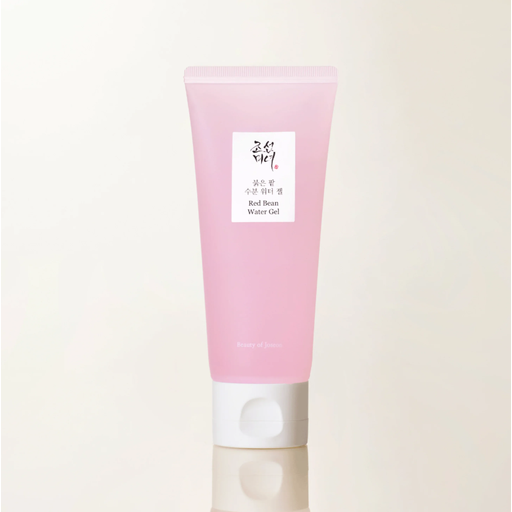
Why this product suits the profile: The 100 ml pack and lightweight gel cream texture are ideal for people looking for Korean facial skincare that is simple to use and non-greasy.
The product description explicitly states that it has a lightweight, non-greasy texture. This makes its consistency easier to assess than that of a cream marketed simply as suitable for everyone.
Adzuki bean extract, glycerin, panthenol and allantoin; 100 ml; gel cream for morning and evening facial skincare.
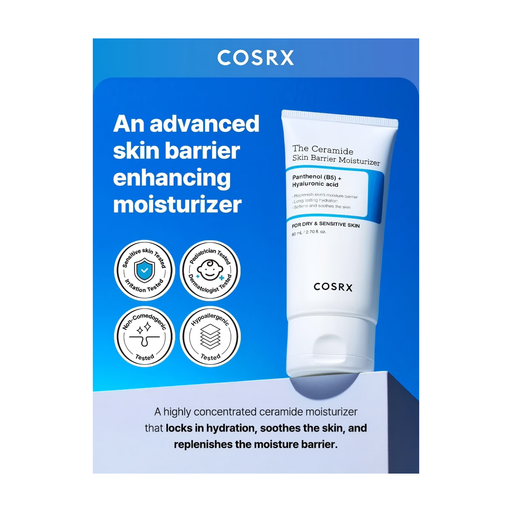
Why this product suits the profile: Anyone who checks the INCI list specifically for skin barrier ingredients will find ceramides, cholesterol, phytosphingosine, squalane and hyaluronic acid derivatives here.
The selection is based not just on the word “Barrier”, but on several specifically listed lipid and moisturising ingredients.
Several types of ceramides, cholesterol, panthenol and squalane; 80 ml; described as a daily face cream for dry and sensitive skin.
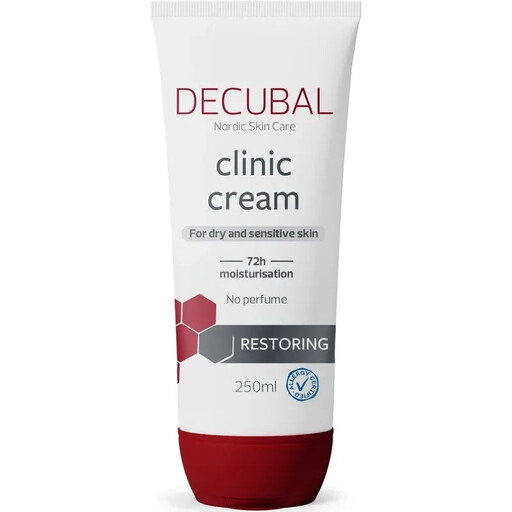
Why this product suits the profile: The large 250 g pack is aimed at people who want to use a rich cream regularly on very dry areas of skin.
The description states that it contains 38% lipids and is free from perfume and colourants. This makes it easier to distinguish from lightweight gel creams.
250 g contents, 38% lipids according to the product details, glycerin, lanolin and dimethicone; intended for the face and dry areas of the body.
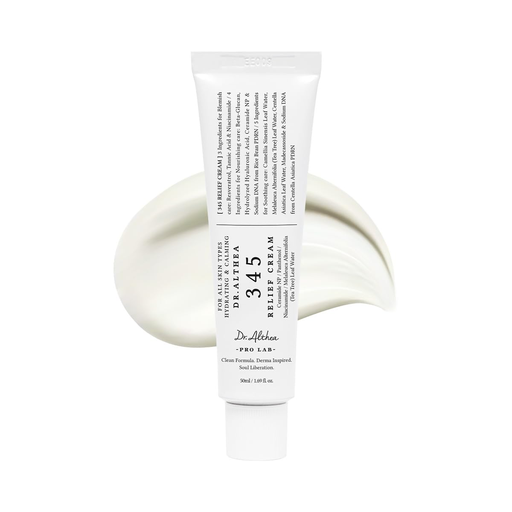
Why this product suits the profile: This lightweight gel cream is described as suitable for sensitive, reddened and blemish-prone skin. It can be used as the final or penultimate step in your skincare routine.
According to the retailer’s information, the product details state that it has a non-greasy texture and contains no artificial fragrances or colourants.
Niacinamide, panthenol, centella ingredients, ceramide NP and sodium hyaluronate; 50 ml; tested as non-comedogenic according to the brand’s information.
We have put together a complete, regularly updated list of products that fully meet these strict selection criteria and the safety regulations applicable in the EU.
If your skin is prone to blemishes, a lightweight, non-greasy face cream may feel more comfortable. For dry skin or a tight-feeling skin surface, a richer intensive moisturiser is often more practical. Cosmetic skincare does not replace a medical diagnosis or treatment.
Look for humectants such as glycerin or hyaluronic acid, as well as replenishing ingredients. Ceramides, cholesterol, squalane and panthenol may be relevant criteria when choosing a product. If you know that you are sensitive, pay particular attention to fragrances and essential oils.
Many products are intended for daily use in the morning and evening. When trying a new formula, it is sensible to start with a small amount and observe how your skin reacts. Follow the specific usage instructions on the product packaging.
The expiry date and the open-jar symbol on the packaging are the key points of reference. Store the cream in a cool, dry place away from direct sunlight, in line with the manufacturer’s instructions. Changes in scent, colour or consistency may indicate that the product has changed; if in doubt, do not continue using it.