
Lieferung heute & morgen

Qualitätsgarantie

Willkommens-Angebote freischalten: KOSTENLOSE Lieferung | Bis zu 80 % RABATT | Kostenlose 30-Tage-JoyPlus-Testphase
App herunterladen
A face cream should provide moisture, spread comfortably and fit into your skincare routine. Even so, eye-catching packaging and claims about active ingredients often lead to unsuitable purchases. Products that feel rich but leave an unpleasant sensation on the skin can be particularly disappointing, as can formulations containing active ingredients that are used too quickly and too often.
This buying guide explains what to look for in a facial moisturiser and which products may suit different skincare needs.
Retinol, niacinamide, ceramides, panthenol, centella and PDRN are familiar terms in skincare. However, the name alone says little about whether a cream is suitable for your skin. The full INCI list, the concentration – where stated – and the usage instructions are what matter.
A retinol face cream, for example, should be introduced into your routine gradually. For sensitive skin, starting with daily use may cause unnecessary irritation. During the day, suitable sun protection should also form part of your skincare routine.
A cream marketed as universal may suit many people, but it will not necessarily be right for every skin condition. Dry skin often needs a richer texture containing nourishing, replenishing ingredients. Oily or blemish-prone skin, on the other hand, often benefits from a lightweight gel cream.
A Korean face cream or K-beauty cream should therefore not be chosen solely because of its origin or popularity. Texture, fragrance and active ingredients are more relevant to everyday skin tolerance.
A large tub may initially appear to offer good value. However, if a cream is only used in the evening or on specific areas, it may remain open for a long time. Check the best-before date and the symbol indicating how long the product can be used after opening. Tubes often protect the contents better from repeated contact with air and fingers than open tubs.
For dry skin, creamy formulations containing glycerin, squalane, shea butter, oils or skin-identical lipids are usually suitable. A face cream for sensitive skin should ideally have a straightforward formulation and, if you are sensitive to fragrance, should be fragrance-free.
For skin that appears irritated, panthenol, centella and allantoin may be ingredients in a soothing face cream. These are cosmetic skincare ingredients; they do not replace medical treatment.
Glycerin, hyaluronic acid and betaine bind water and can improve how the skin feels. Ceramides, cholesterol and fatty acids are often used by people who want to strengthen the skin barrier and reduce moisture loss. A ceramide cream is therefore particularly worth considering for dry or sensitive-looking skin.
Depending on the formulation, niacinamide may be used to care for an uneven-looking complexion. If you buy a niacinamide cream, you should still check the complete formulation and initially test new products on a small area of skin.
An anti-ageing face cream may contain ingredients such as retinol, retinyl palmitate, adenosine or antioxidants. These terms are not interchangeable and should not be seen as a guarantee of a particular result.
PDRN or sodium DNA formulations, such as a PDRN cream, are combined with hydrating and barrier-supporting ingredients in some K-beauty products. For these products, the information on the packaging is decisive. Stop using the product if redness, burning or persistent irritation occurs.
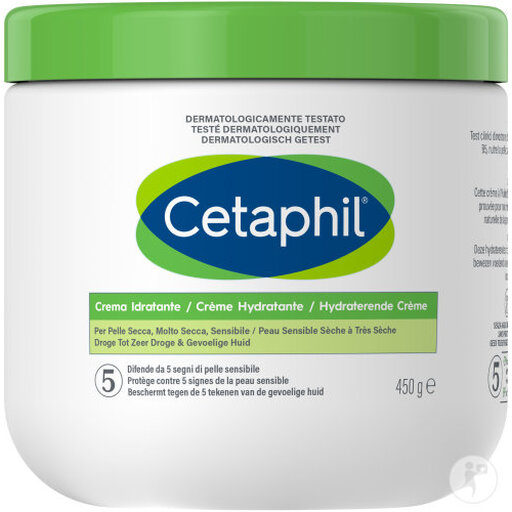
Why this product suits this profile: The large 450-g pack is suitable for people who want to use a straightforward cream regularly on the face and dry areas of skin. According to the product description, it is fragrance-free and non-comedogenic.
The formulation focuses on familiar moisturising ingredients such as glycerin, panthenol and niacinamide, rather than relying solely on trendy active ingredients.
Large quantity, fragrance-free product information and creamy texture for dry and sensitive skin.
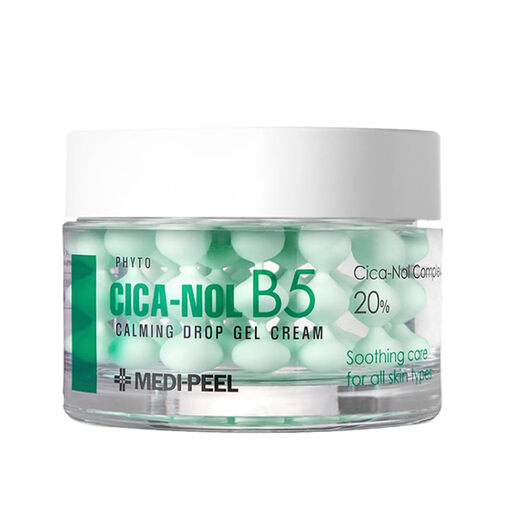
Why this product suits this profile: The gel cream is intended for daily use in the morning and evening. It combines centella, glycerin, niacinamide, panthenol, hyaluronic acid and several ceramides.
The product description includes both usage instructions and warnings. Discontinue use if irritation occurs.
50 ml gel cream with panthenol, centella and ceramides; indicated for facial skincare for sensitive-looking skin.
Apply face cream to cleansed skin. For dry skin, a slightly richer layer in the evening may be beneficial, while lightweight gel creams can feel more comfortable under make-up in the morning. New products should initially be tested on a small area.
Retinol products are generally used in the evening. Sun protection is advisable during the day. Keep creams closed, dry and protected from direct sunlight. Do not continue using the product on open wounds, in cases of significant swelling or if irritation persists.
We have put together a complete, regularly updated list of products that fully meet these strict selection criteria and the safety regulations applicable in the EU.
Look for glycerin, squalane, shea butter, oils, hyaluronic acid or ceramides. Rich textures can feel more comfortable on dry skin. However, how the product feels on your skin remains the deciding factor.
Many moisturisers are intended for use in the morning and evening. Follow the specific recommendation on the packaging. When using active creams such as retinol, it is sensible to start gradually.
The printed expiry date and the PAO symbol, such as “12M”, are the key points of reference. If the smell, colour or consistency changes, stop using the cream regardless of the date.