
Lieferung heute & morgen

Qualitätsgarantie

Willkommens-Angebote freischalten: KOSTENLOSE Lieferung | Bis zu 80 % RABATT | Kostenlose 30-Tage-JoyPlus-Testphase
App herunterladen
Finding the right face cream may sound straightforward at first. However, the range includes facial moisturisers, anti-ageing creams, day creams, night creams and numerous Korean formulations with different ingredients. What matters is not simply a striking promise on the packaging, but how well the skin type, intended use and formulation align.
Terms such as “lifting”, “rejuvenation” or “firming” often describe the desired effect on the appearance of the skin, but they are not uniform technical standards. For example, a firming face cream may contain a rich texture, humectants or film-forming agents. This may feel smoothing after application, but it does not automatically prove a lasting change.
Therefore, pay attention to the INCI list, product size, intended time of use and specific warnings. Claims such as “clinically proven” should only be assessed in the context of the cited source. According to the product description from Allies of Skin, the formulation was evaluated under dermatological and ophthalmological supervision; this does not establish general efficacy for every individual.
A face cream for sensitive skin should ideally have a straightforward formulation. Fragrances, essential oils, certain preservatives or active acids may be problematic for sensitive or already irritated skin. A product containing botanical ingredients is not inherently free from individual intolerances either.
Check the current ingredient list on the packaging before purchasing. With new products, a patch test on a small area of skin is recommended. Discontinue use if redness, itching or stinging occurs.
A face cream for dry skin does not necessarily have to feel greasy or heavy. Humectants such as glycerin, hyaluronic acid or panthenol bind water, while squalane, shea butter, dimethicone or ceramides can condition the skin’s surface and help limit moisture loss. The right combination depends on how the product feels and on the individual condition of the skin.
For dehydrated skin, a face cream with hyaluronic acid can be a suitable addition. Richer ingredients such as shea butter, plant oils or squalane often feel more comfortable on dry skin. A lightweight emulsion, on the other hand, is frequently better suited for wearing under make-up or for skin that tends to feel shiny.
For daytime use, built-in sun protection is practical. According to the product description, RoC Multi Correxion Even Tone Lift Daily Moisturiser comes with SPF 30. Apply sunscreen evenly and in a sufficient amount; additional protective measures may be necessary during prolonged sun exposure.
When using products containing retinol or acids, suitable daytime sun protection is advisable. During pregnancy and breastfeeding, follow the manufacturer’s guidance for vitamin A-containing products and seek medical advice where appropriate.
Check the expiry date, batch number and condition of the packaging. With active ingredients such as vitamin C or retinol, storage away from light and heat is particularly important. The legally binding ingredient list may change and can be found on the product packaging.
For imported skincare products, such as Korean face creams, manufacturer details and a responsible person within the European Union should also be clearly traceable. Depending on the item, the product information on Joybuy includes these details.
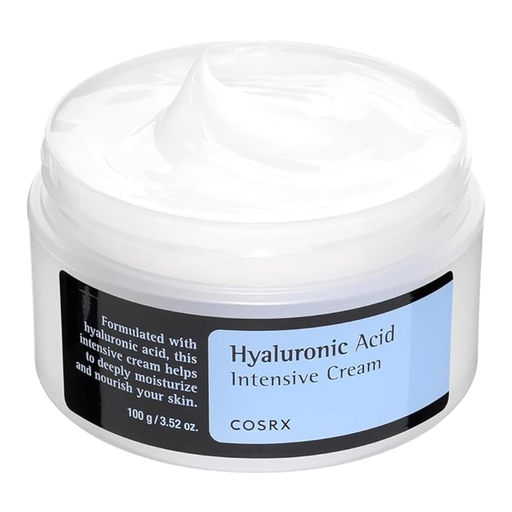
Why it’s a good fit: A straightforward option for dry, dehydrated skin and a streamlined daily skincare routine.
The product description highlights a lightweight, emulsion-like texture rather than making a blanket promise for every skin type.
According to the product details, it contains hyaluronic acid and sea buckthorn water; batch and expiry checks are explicitly recommended.
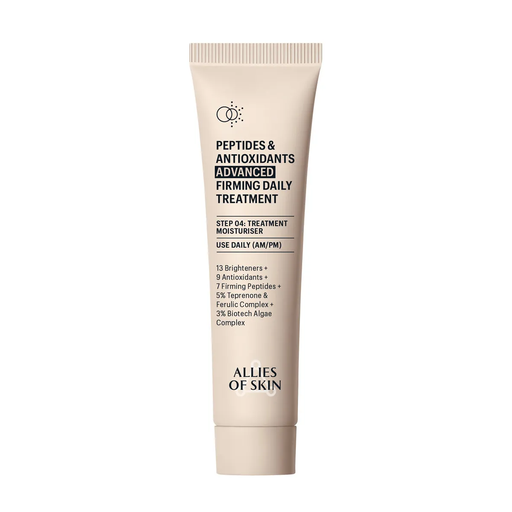
Why it’s a good fit: Suitable for those who want to incorporate the face, neck and eye area into one unified skincare routine.
The product description lists specific ingredients such as peptides, antioxidants, ceramides and hyaluronic acid; the INCI list should nevertheless be checked before purchase.
According to the product description, it is intended for the face, neck and eye area; 20 ml capacity and use in the morning and evening.
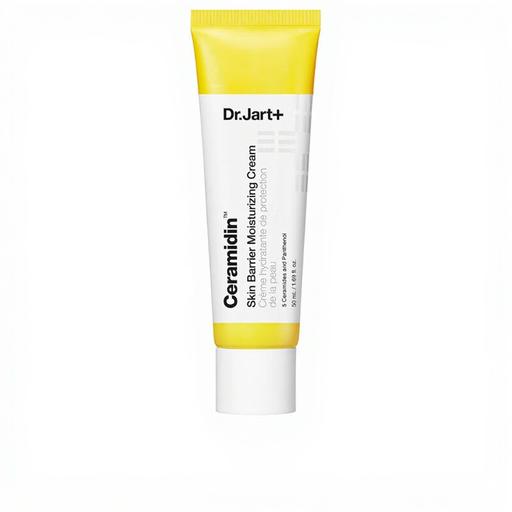
Why it’s a good fit: For users seeking a rich face cream containing multiple ceramides.
The ingredient information identifies ceramides NP, AP, AS, NS and EOP, as well as cholesterol. This makes the formulation more transparent than a label such as “Barrier Cream” alone.
50 ml capacity; the formula also lists glycerin, panthenol, shea butter and sodium hyaluronate.
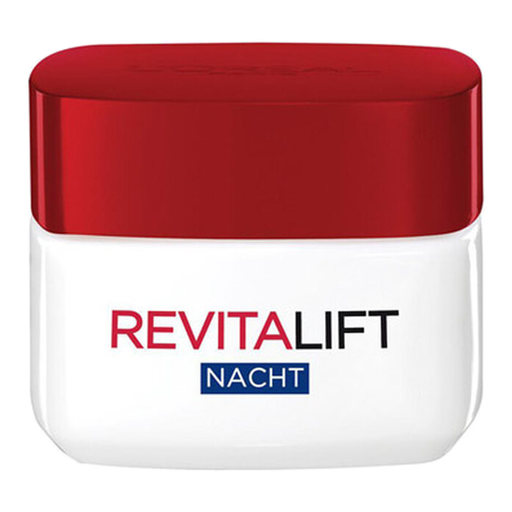
Why it’s a good fit: For adults who want to add a night cream containing a vitamin A-related ingredient to their routine.
The product information specifies evening use and advises avoiding the eye area. Use should be discontinued if irritation occurs.
Designed as a facial night cream; according to the product details, it contains glycerin, Pro-Retinol A and Fibrelastyl.
We have compiled a current selection of products that meet these criteria and the applicable safety requirements for cosmetics.
Apply your face cream after cleansing. A small amount is often sufficient; using too much product can leave a sticky feel or cause pilling under make-up. A day cream with SPF does not automatically replace every other sun-protection measure. A night cream can have a richer texture, while a lightweight facial moisturiser may be more practical during the day.
Shelf life depends on the packaging, storage conditions and usage. Close jars and tubes after use, and store them in a dry, cool place away from direct sunlight. If the scent, colour or consistency changes noticeably, discontinue use.
This depends on the product and how your skin feels. Many formulations are designed for morning and evening use. Products containing retinol or acids should initially be used gradually and according to the manufacturer’s instructions.
Look for a concise INCI list and check for fragrances, essential oils and active acids. A face cream containing ceramides or panthenol may be worth considering for a barrier-supporting routine. Individual tolerance remains the deciding factor.
The printed expiry date and the open-jar symbol indicating the period after opening are the key references. For every product, check the batch number and condition of the packaging. The most up-to-date ingredient list can be found directly on the packaging.