
Lieferung heute & morgen

Qualitätsgarantie

Willkommens-Angebote freischalten: KOSTENLOSE Lieferung | Bis zu 80 % RABATT | Kostenlose 30-Tage-JoyPlus-Testphase
App herunterladen
A face mask for blackheads can target excess sebum and surface impurities. However, it does not replace daily cleansing and cannot remove blackheads permanently. If you focus only on terms such as “deep cleansing” or “pore refining”, it is easy to buy a product that does not suit your skin type.
A mask cannot permanently close or reduce pores. After application, skin may look more even because there is less visible sebum, the pores have been cleansed or the product has a mattifying effect. This impression is usually temporary.
A charcoal face mask, clay mask or peel-off product can absorb excess oil or loosen residue adhering to the skin’s surface. Using these products too often can cause feelings of tightness and dryness. Particularly sensitive or dry skin requires a gentle approach followed by moisturiser.
Salicylic acid, alcohol, fragrances, essential oils and mechanical exfoliating particles are not suitable for every skin type. Even a product labelled “for sensitive skin” should be assessed by checking the INCI list and considering your individual tolerance. Before using it for the first time, it is advisable to carry out a small patch test on an inconspicuous area of skin.
For oily or blemish-prone skin, kaolin, bentonite, charcoal or volcanic ash are often suitable options. These ingredients can absorb excess sebum. However, a face mask for blemished skin should not automatically be drying.
For dry, sensitive or normal skin, hydrating masks containing glycerin, panthenol, aloe vera or hyaluronic acid are often more suitable. They may not cleanse quite as intensely, but they help meet the skin’s need for care after a pore-cleansing treatment.
The recommended application time is a useful comparison point:
The manufacturer’s instructions are decisive. Leaving a product on for longer does not automatically improve the result and may put greater strain on the skin.
Look for a complete ingredients list, a use-by indication or the PAO symbol after opening, as well as any warnings. Cosmetic products offered in the EU require, among other things, a responsible person within the EU and proper labelling. For imported Korean skincare products, this information should be verifiable on the packaging or in the product listing.
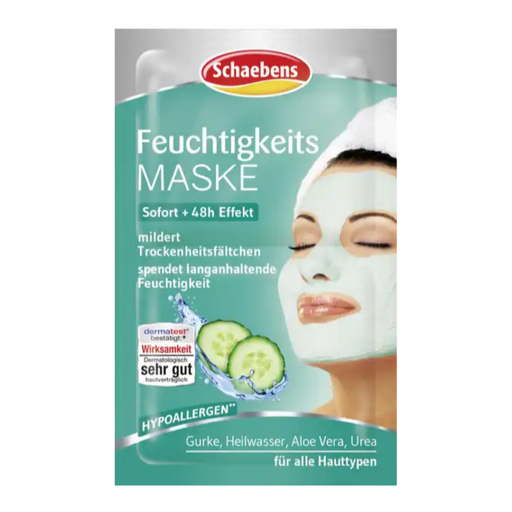
Why this product suits this profile: The 10ml single-use portion is ideal for occasional applications and is aimed at people who mainly want hydration and a pleasant feeling on the skin after cleansing.
It does not rely on an aggressive peel-off process, making it a suitable alternative if dry skin tends to feel tight after pore care.
Aloe vera, avocado, cucumber, panthenol and bisabolol; according to the product description, an application time of 10 to 15 minutes.
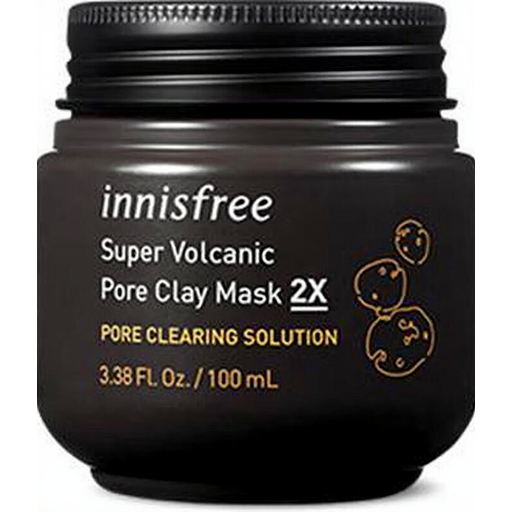
Why this product suits this profile: The 100ml size is suitable for regular use on areas of the face with excess oil and pores that appear clogged.
The clear guidance of an application time of around 10 minutes and use 1 to 2 times a week helps prevent over-cleansing.
Volcanic ash, silica and walnut shell powder; according to the product description, for use on dry, cleansed skin.
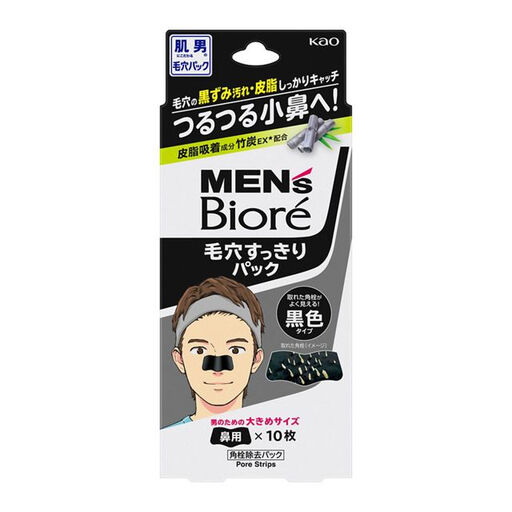
Why this product suits this profile: The individual nose strips are designed for targeted use on the nose and are practical when you do not want to treat your entire face.
The recommended use of no more than once a week limits the stress caused by peeling and prevents use that is too frequent.
10 strips per pack, a three-dimensional shape and bamboo charcoal according to the product description; for use on a moistened nose.

Why this product suits this profile: The sheet mask format allows for a short, even application followed by skincare, without having to remove a drying layer of clay.
It is removed after 10 to 20 minutes, so there is no residue to wash off; however, sensitive skin should still be checked for compatibility with the acid combination it contains.
Centella, panthenol and hydrating ingredients; the INCI list also includes gluconolactone, betaine salicylate and capryloyl salicylic acid.
We have put together a complete, regularly updated list of products that fully meet these strict selection criteria and the safety regulations applicable in the EU.
Using a mask once or twice a week may be sufficient for many skincare routines. Depending on the manufacturer’s instructions, nose strips should generally be used several days apart. If severe redness, burning or swelling persists, stop using the product and seek dermatological advice.
That depends on your skin type and the affected area. A pore-cleansing mask containing kaolin, bentonite or charcoal is an obvious choice for oily areas of the face. For dry or sensitive skin, a hydrating sheet mask may be better suited as a supplementary treatment. These products can temporarily reduce the appearance of blackheads, but permanent removal should not be expected.
Nose strips adhere to the skin and are peeled off once dry. This can irritate sensitive skin. Check the warnings, test the product on a small area first and do not use it on damaged or reddened skin. Take particular care if the product contains fragrances or alcohol, or if you have a known sensitivity to adhesives.
Follow the instructions on the packaging. Many clay masks are recommended for use once or twice a week, while a nose strip is often intended for weekly use or with an interval of at least several days. Your skin’s reaction is the key factor: tightness, flaking or burning indicate that you should take a longer break or switch to a milder product.