
Lieferung heute & morgen

Qualitätsgarantie

Willkommens-Angebote freischalten: KOSTENLOSE Lieferung | Bis zu 80 % RABATT | Kostenlose 30-Tage-JoyPlus-Testphase
App herunterladen
Face masks can be a targeted addition to your skincare routine. However, the wide choice can quickly lead to unsuitable purchases: a sheet mask is not automatically right for every skin type, a clay mask is not intended for daily use, and a high concentration of active ingredients alone says little about how well a product will be tolerated. This selection by the Joybuy Product Recommendation Officer evaluates the most important product types using clear, practical criteria.
Terms such as “Glow”, “Detox”, “Lifting” and “Repair” often describe a desired product effect, but not consistently defined standards. That is why the ingredients, application time, recommended frequency and material type are the key factors to consider.
For example, a collagen face mask may contain collagen extract or hydrolysed collagen. However, this does not mean that it will provide a lasting firming effect. The same applies to a hyaluronic acid face mask: hyaluronic acid supports moisture levels on the skin’s surface, but it does not replace skincare tailored to your individual needs.
A sheet mask is convenient for a short burst of hydration, while a clay mask can absorb excess sebum and surface impurities. However, a strongly degreasing mask may not be suitable for dry skin. If you are looking for a face mask for blemish-prone skin, you should also distinguish between soothing skincare and a clarifying mask.
A moisturising face mask is generally better suited to feelings of tightness and dry areas of skin. If you have sensitive skin, check the INCI list for fragrances, essential oils and potentially irritating ingredients.
With face masks, “longer” does not automatically mean “more effective”. Many sheet masks are designed to be left on for around 10 to 20 minutes. Depending on the product, a hydrogel mask can be worn for considerably longer, while a clay mask should generally be rinsed off after 10 to 15 minutes.
Important: Always follow the instructions on the packaging. If you experience burning, itching, redness or swelling, stop using the product and rinse your skin with water.
A sheet mask is often made from cellulose, cotton or synthetic non-woven fabric. The important thing is whether it sits evenly on the skin and whether the mouth and eye areas are cut out appropriately. Hydrogel masks usually adhere more closely and often contain a concentrated serum formula.
With multipacks, the packaging should also be practical. Individual sachets protect the remaining masks from drying out. For tubs containing several masks, hygienic removal, for example with the enclosed tweezers, is beneficial.
The INCI list is more informative than a short advertising slogan. Common humectants include glycerine, betaine and various forms of hyaluronic acid. Ceramides, panthenol and allantoin are often used in formulations designed to support a caring and soothing routine.
Also check:
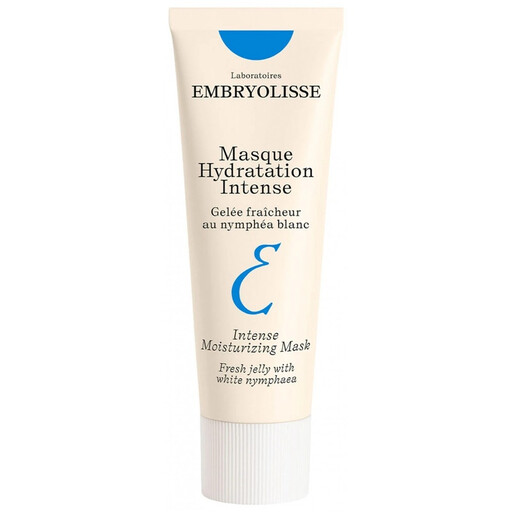
Why it suits this profile: Apply the cream mask in a thin layer, leave it on for 15 minutes, then remove or rinse it off. This makes it suitable for an uncomplicated daytime or evening application.
The clearly defined application time reduces the risk of leaving the mask on your skin for too long. The product information lists hyaluronic acid, glycerine, panthenol and nourishing oils.
50-ml tub, 15-minute application time and a creamy formula with sodium hyaluronate and beeswax, according to the product description.
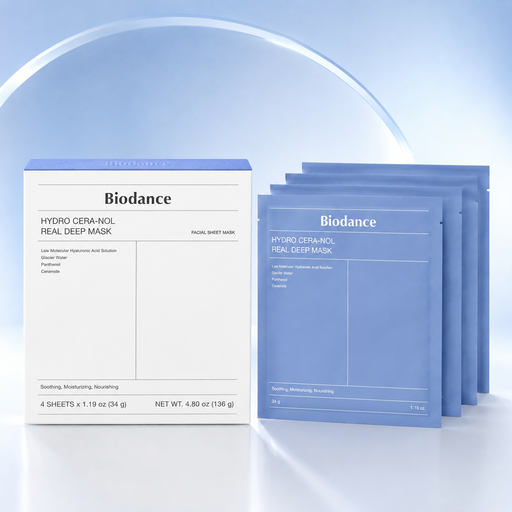
Why it suits this profile: This hydrogel mask is intended for users who prefer a longer application. According to the product information, it can be worn for three to four hours or overnight.
The formula can be assessed from the listed ingredients: ceramides, panthenol and several forms of hyaluronic acid are included. The long wearing time is clearly stated.
Four masks weighing 34 g each; hydrogel material, Ceramide NP, Ceramide AP and Hydrolyzed Hyaluronic Acid according to the INCI list.
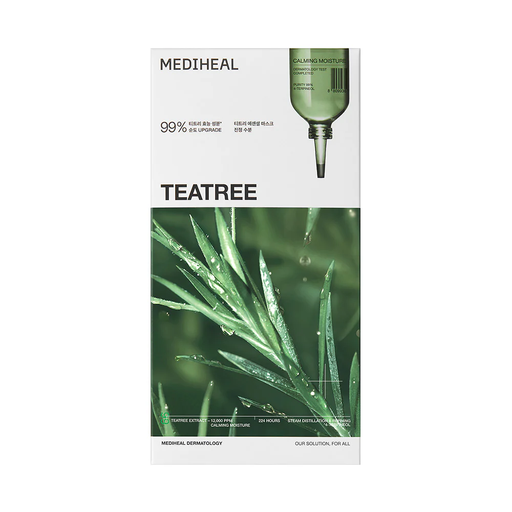
Why it suits this profile: The pack of 10 sheet masks is designed for a regular routine. The product description mentions a mildly acidic formula containing tea tree.
The recommended application time is 10 to 20 minutes. This makes it easier to incorporate the mask into a routine without exceeding the application time.
10 individual masks, a tea tree-based formula according to the product information and an explicit instruction to stop use if irritation occurs.
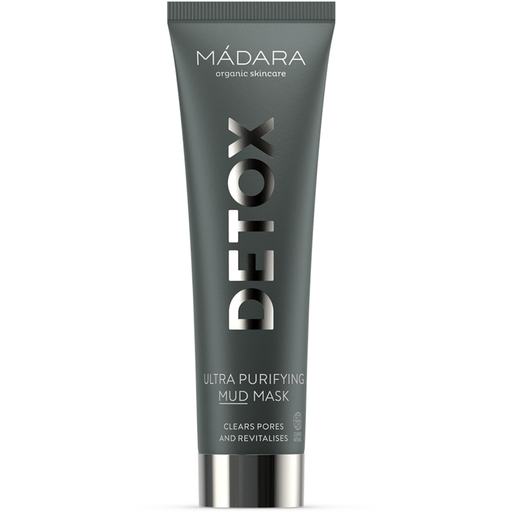
Why it suits this profile: Apply the mask to clean, dry skin and rinse it off after 10 to 15 minutes. It is intended for use once or twice a week.
The recommended frequency helps prevent overly frequent deep cleansing. Avoid contact with the eyes; seek medical advice if eye irritation persists.
60 ml in a tub, natural clay according to the product description and Ecocert certification according to the supplier’s information.
If you are looking for Korean face masks with a short application time, consider the Wonjin Ampoule Hydrating Mask, which contains 10 masks and has a stated application time of around 10 minutes. For a Japanese face mask containing rice ingredients, the Keana Nadeshiko Japanese Rice Face Mask is worth considering; the product information gives an application time of five to ten minutes.
For light, everyday skincare, the VT Cosmetics Cica Daily Soothing Mask with 30 sheets and a 0.2-mm Nude-Seal film is an interesting option. For a purely hydrating routine featuring several forms of hyaluronic acid, consider the Round Lab 1025 Dokdo Intense Hydrating Mask with 18 sheets. Product information and current availability may change. Always check the packaging details before buying.
In the full selection, you can compare formulas, mask types, pack sizes and application instructions according to your personal skincare goal.
This depends on the type of mask. Hydrating sheet masks are often used once or twice a week, or as stated on the packaging. Clay masks are generally intended for use once or twice a week. If you have sensitive skin, it is advisable to start cautiously and leave longer gaps between applications.
Individual sheet masks should be used immediately after opening. For tubs and multipacks, follow the printed best-before date and the symbol indicating the period of use after opening. Keep products sealed, dry and protected from direct sunlight.
Usually, cleanse your face and then apply a toner, depending on the product. With many sheet masks, the mask is applied afterwards; gently pat in any remaining serum. Depending on the instructions, a cream mask or overnight mask may be the final step. The directions for the individual product are the deciding factor.