
Lieferung heute & morgen

Qualitätsgarantie

Willkommens-Angebote freischalten: KOSTENLOSE Lieferung | Bis zu 80 % RABATT | Kostenlose 30-Tage-JoyPlus-Testphase
App herunterladen
Face masks can complement your skincare routine, but they are often chosen based on eye-catching claims rather than clear, understandable criteria. If you are looking for a sheet mask for the face, a hydrogel face mask or a classic moisturising mask, it is worth taking a closer look.
Terms such as “glow”, “lifting” or “anti-ageing” often describe the desired effect of the product’s positioning, rather than guaranteeing a lasting result. A face mask may temporarily leave the skin looking more hydrated or smoother. This does not mean it has a medical or therapeutic effect.
When choosing a firming face mask, it is therefore worth looking at the specific formulation. Humectants such as glycerine or hyaluronic acid can contribute to skin care. Claims about collagen, PDRN or niacinamide should not be understood as a guarantee of a changed skin structure.
“For all skin types” is no substitute for individual tolerance. Alcohol, fragrances, essential oils or certain plant extracts may be relevant for sensitive skin. Honey, propolis and fermented ingredients are also not equally suitable for everyone.
For dry skin, a face mask for dry skin containing glycerine, panthenol or hyaluronic acid may be worth considering. For sensitive skin, the complete INCI list should be checked particularly carefully. If you have known allergies, it is advisable to carry out a patch test on a small area of skin.
A sheet mask should not generally be left on until it has dried completely. This can feel uncomfortable and irritate the skin. The instructions on the packaging are what matter. Depending on the product type, application times are usually around 5 to 30 minutes; some hydrogel or overnight masks are specifically designed to be left on for longer.
Start by identifying your main goal:
A sheet mask sits directly on the skin and is disposed of after use. It is practical when you want a quick skincare treatment without rinsing. With a face sheet mask, fit, cut-outs for the eyes and mouth, and how thoroughly the material is saturated are important criteria.
A hydrogel face mask usually adheres closely to the skin and may be particularly suitable for longer application times. Wash-off masks are removed with water after the specified time. Peel-off products form a film that is carefully peeled away; this option is not always suitable for sensitive or irritated skin.
Individual sachets are practical for trying a product and protect the formulation until use. Packs containing 10, 21 or 30 sheet masks can be more economical per application, but they require clean removal and proper resealing. With jars and multi-use dispensers, no water should be allowed to get inside. The best-before date, batch number and instructions for use after opening can be found on the packaging.
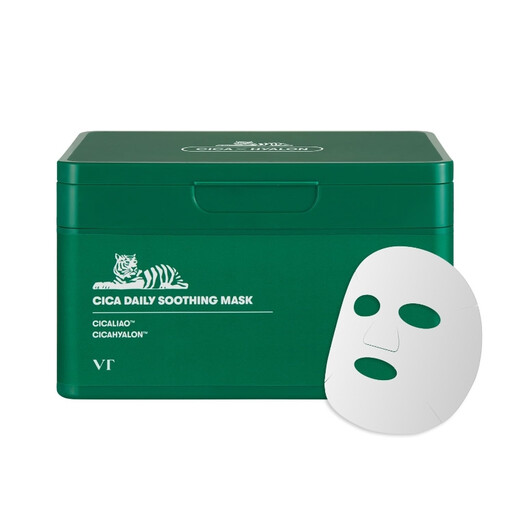
Why this product suits the profile: With 30 sheet masks and a stated application time of 10 to 20 minutes, it is suitable for regular skincare routines.
The individual sheets eliminate the need to measure out a wash-off mask, while removing them with the included tweezers supports hygienic application.
30 sheets, Centella asiatica extract, panthenol and sodium hyaluronate according to the product details.
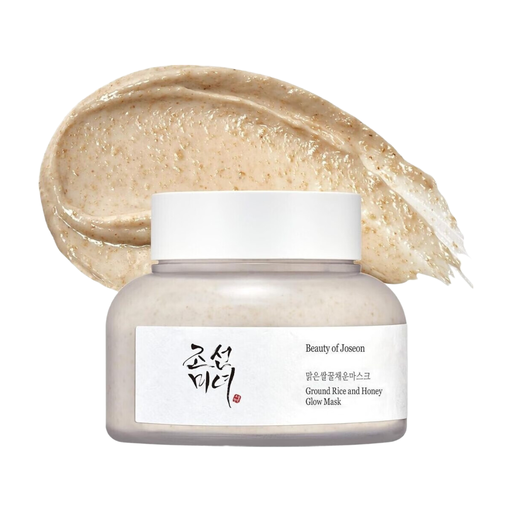
Why this product suits the profile: The creamy wash-off texture is designed for weekly use, with an application time of 15 to 20 minutes.
The ingredients list shows that, alongside honey, the formula also contains kaolin, bentonite and rice powder; skin tolerance should be checked if your skin is sensitive.
150 ml format, plus rice powder, rice bran and glycerine according to the product description.
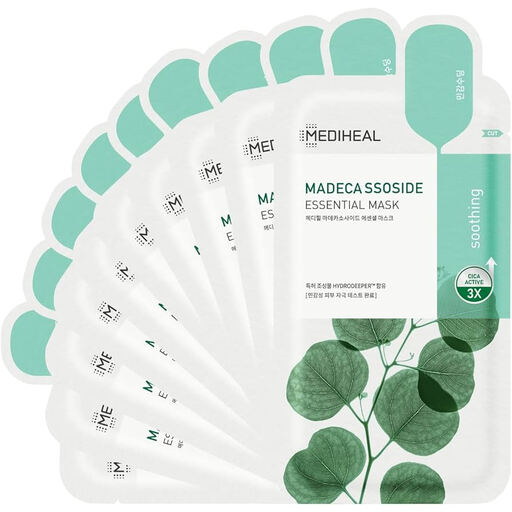
Why this product suits the profile: The pack of 10 masks and recommended use two to three times a week fit a manageable skincare routine.
The declared formula contains Centella asiatica, madecassoside and panthenol; the complete information on the packaging remains definitive.
Bamboo fibre according to the product details, 10 pieces per pack and an application time of 15 to 20 minutes.
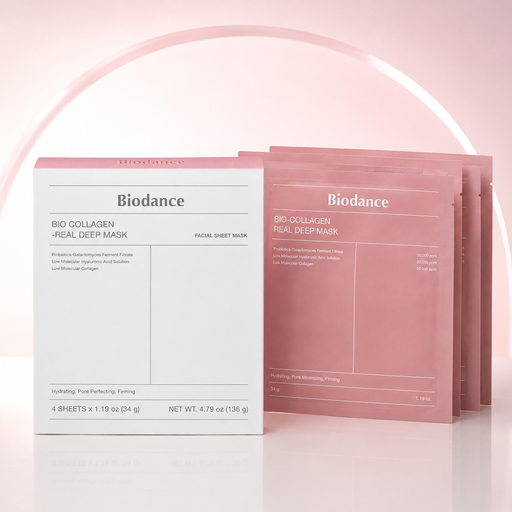
Why this product suits the profile: According to the product details, the hydrogel mask is designed to be used for three to four hours or overnight.
The clearly stated extended application time prevents the mask from being accidentally used like a standard 10-minute sheet mask.
Four hydrogel masks, 34 g per mask, with collagen extract, glycerine and hydrolysed hyaluronic acid according to the product details.
We have compiled a complete, regularly updated list of products that fully meet these strict selection criteria and the safety regulations applicable in the EU.
If you experience burning, redness, swelling or itching, stop using the product. Face masks should not be applied to damaged or severely irritated skin. If skin problems persist, it is advisable to seek dermatological advice.
This depends on the mask type and formulation. Many sheet masks are used once to three times a week; some daily mask products are designed for everyday use. The specific manufacturer’s instructions should take priority. Exfoliating or clay products are generally not suitable for use as frequently as a simple moisturising face mask.
Individual sachets should be used immediately after opening. For jars or multi-use packs, follow the instructions on the product, including the symbol indicating the period of use after opening. Heat, direct sunlight and moisture can affect product quality. Closures should be cleaned and fully closed after each use.
There is no blanket answer. A soothing face mask may contain suitable ingredients such as panthenol or Centella, while also including fragrances, alcohol or essential oils. Before buying, you should therefore check the current INCI list and carry out a patch test if you are unsure.