
Lieferung heute & morgen

Qualitätsgarantie

Willkommens-Angebote freischalten: KOSTENLOSE Lieferung | Bis zu 80 % RABATT | Kostenlose 30-Tage-JoyPlus-Testphase
App herunterladen
Face masks for pore cleansing can help target excess oil, visible residue and dry, flaky skin as part of your skincare routine. But choosing the right one involves more than looking for terms such as ‘detox’, ‘pore refining’ or ‘deep cleansing’. Your skin type, the recommended application time, the ingredients and how often you plan to use the mask all matter.
Cosmetic products cannot permanently close or remove pores. A pore-refining face mask may temporarily leave your skin looking smoother by removing excess sebum and loose, flaky skin. Be wary of claims such as ‘pore-free after one use’.
A clay or charcoal mask absorbs excess oil. However, using one too often can leave dry, sensitive or redness-prone skin feeling uncomfortably tight. A face mask for blemishes is no substitute for a skincare routine suited to your needs or advice from a dermatologist.
Many products are designed to be left on for 5 to 15 minutes. Leaving a mask on much longer does not automatically improve its cleansing effect. With rinse-off masks, completely dried clay can be harder to wash off. With sheet masks, a sheet that has dried out may feel unpleasant against your skin.
Formulas containing kaolin, bentonite, charcoal or salicylic acid are often suited to oily and combination skin. These ingredients are used in clarifying formulas to help reduce excess oil and surface build-up. Even so, a face mask for oily skin does not necessarily need to be used every day.
For dry skin, glycerin, hyaluronic acid, panthenol or rice extracts are common hydrating ingredients. A hydrating mask or sheet mask may be a better choice than a highly absorbent deep-cleansing mask. For combination skin, try targeted application: use clay only on the oilier T-zone and apply hydrating skincare to dry areas.
The full INCI list on the packaging tells you more than a brief marketing description. In particular, check for:
Before using a product all over your face for the first time, it may be worth testing it on a small, discreet area of skin. If you experience burning, swelling, persistent redness or itching, wash the product off and stop using it.
A sheet mask is pre-portioned, making it handy for a single use. Larger packs of 30 or 40 sheets may be more economical if you use them regularly, but they need to be sealed carefully and stored within their stated shelf life. Rinse-off masks in jars or tubes provide several applications, but you’ll need to use clean hands and take the product out hygienically.
Also check the best-before date, batch number and period after opening. Cosmetics sold in the EU should identify a responsible person based in the EU. Always follow the information on the specific product packaging.
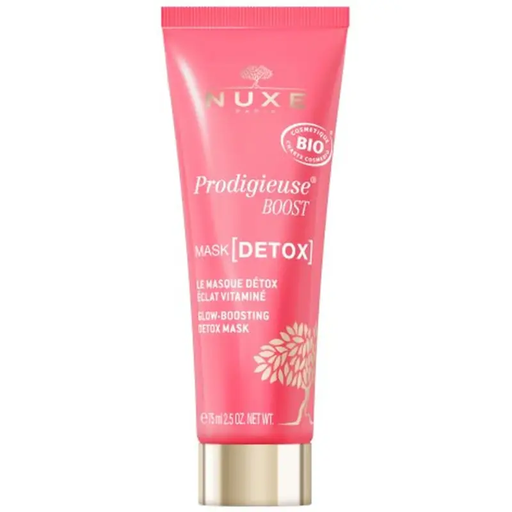
Why this product suits this profile: This creamy mask is designed for a quick rinse-off application followed by a massage, making it a good fit for a structured weekly routine.
The instructions recommend leaving it on for 5 minutes and using it once or twice a week. That gives you clear guidance on both frequency and application time.
A 75 ml tube, applied to dry skin and rinsed off with water. The ingredients list includes glycerin and sesame oil.
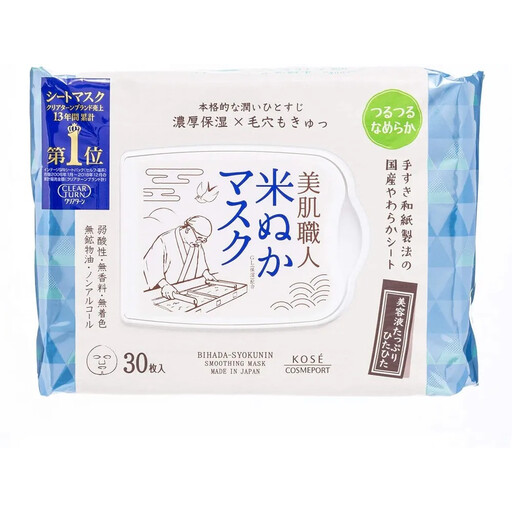
Why this product suits this profile: This pack of 30 sheet masks is designed for regular use and can offer a hydrating alternative to a clay mask.
The recommended application time is around 10 minutes. The formula is described as mildly acidic and free from pigments, fragrance, mineral oils and alcohol.
30 individually portioned sheets, rice extract and a product description focused on hydration.
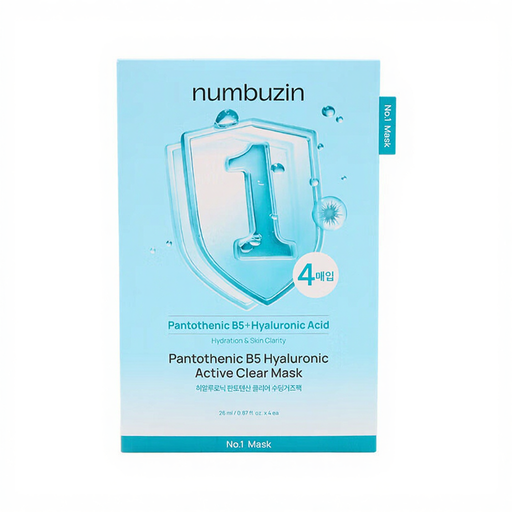
Why this product suits this profile: This sheet mask is designed with hydration in mind and comes in a handy pack of four. It’s recommended for use once or twice a week.
The product description lists pantothenic acid and hyaluronic acid, but makes no claim that pores will be permanently reduced. This helps set realistic expectations for your skincare.
An essence-soaked sheet, four individual masks and a clearly stated application time of 10–15 minutes.
If you have inflamed, painful or recurring skin concerns, seek advice from a dermatologist. Cosmetic masks can support your skincare routine, but they are not a substitute for medical treatment.
We’ve put together a complete, regularly updated list of products that meet these strict selection criteria and fully comply with the safety regulations in force in the EU.
It depends on the formula and your skin type. Many clay, charcoal and clarifying masks are designed for use once or twice a week. If your skin is sensitive or dry, you may want to leave longer between applications. Always follow the manufacturer’s specific instructions.
A mask can remove excess oil and surface residue. However, it won’t necessarily address the cause of spots or blackheads. If you have persistent concerns, speak to a dermatologist about a skincare routine that’s right for you.
Neither type is right for every skin type. A sheet mask is generally designed to hydrate and be used for a short time. A deep-cleansing mask containing clay or charcoal is more suited to oily or combination skin. The best choice depends on your skin, the ingredients and how you want to use the mask.