
Lieferung heute & morgen

Qualitätsgarantie

Willkommens-Angebote freischalten: KOSTENLOSE Lieferung | Bis zu 80 % RABATT | Kostenlose 30-Tage-JoyPlus-Testphase
App herunterladen
A facial moisturiser should hydrate the skin throughout the day and fit comfortably into your skincare routine. However, choosing the right face cream is not simply a matter of price or familiar active ingredients. Skin type, texture, fragrance, oil content and the possible inclusion of sun protection are all important selection criteria.
Mistakes are particularly common when shopping for oily or blemish-prone skin: a rich cream may feel heavy, while a highly mattifying formula can accentuate dry areas of the face. The following buying guide from the Joybuy Product Recommendation Officer explains the most important features objectively and presents suitable products for different needs.
An oil-free face cream may be appealing for oily or combination skin because it often has a lightweight gel or lotion texture. However, being oil-free says nothing about the formula as a whole. Humectants, silicones, alcohols, fragrances and exfoliating acids can also affect how a product feels on the skin.
For sensitive skin, check the complete INCI list and the information on the packaging. A non-comedogenic face cream is not a guarantee that every skin type will tolerate it without problems.
A mattifying face cream can visibly reduce shine. Ingredients such as tapioca starch, silica, kaolin or activated charcoal may be used to achieve this effect. These properties should not be confused with particularly intensive hydration.
Anyone with dry cheeks and a shiny T-zone often needs a moisturiser for combination skin that feels lightweight on the forehead and nose without placing additional strain on dry areas.
A face cream with SPF can simplify your morning routine. However, the stated level of protection depends on the amount applied and on reapplication at the appropriate intervals. For prolonged sun exposure, exercise or heavy perspiration, a dedicated sunscreen is generally more practical. Even with a cream rated SPF20 or SPF50+, follow the manufacturer’s application instructions.
If redness, stinging, persistent itching or severe irritation occurs, discontinue use and seek medical advice if necessary. Cosmetic products are not intended to treat skin conditions.
Glycerin, betaine, urea and hyaluronic acid are among the most commonly used humectants. Ceramides, cholesterol and fatty acids are included in some formulas to support the skin barrier. Centella Asiatica is a popular ingredient in Korean skincare and is frequently associated with soothing care in product descriptions. A face cream with Centella Asiatica may therefore appeal to anyone looking for lightweight, comfortable hydration.
With products containing salicylic acid or other exfoliating ingredients, pay particular attention to the warnings. Odol, for example, advises reducing or discontinuing use in the event of excessive irritation or peeling, and applying sun protection during the day.
Gels, lotions and lightweight emulsions generally absorb more quickly than rich creams. A creamier texture may feel more comfortable on dry skin. Fragrances and listed fragrance allergens such as limonene, linalool or citral should be taken into account if you have known sensitivities.
The fill size also affects the actual cost per use. A 100- or 125-ml product may be more economical for daily application, while 30-ml jars or tubes are convenient for targeted care of individual areas of the face.
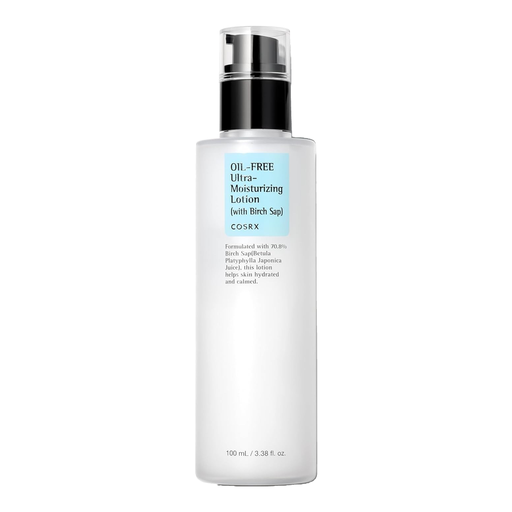
Why this is a good fit: Designed for uncomplicated daily care, this 100-ml lotion has a lightweight, fast-absorbing texture according to the product description.
The oil-free positioning reduces the risk of accidentally choosing an overly rich texture for everyday use. Check the current INCI list on the packaging before buying.
100 ml of product, oil-free positioning and a lotion texture suitable for morning or evening use.
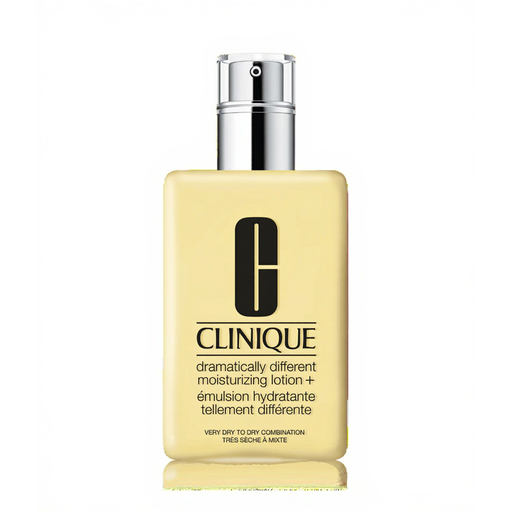
Why this is a good fit: According to the product information, this fragrance-free lotion is intended for very dry to dry combination skin and contains glycerin, urea and sodium hyaluronate, among other ingredients.
The clearly defined target group and fragrance-free formula make it easier to choose than heavily scented all-purpose creams.
125-ml pump bottle, fragrance-free formula and stated suitability for dry to dry combination skin.
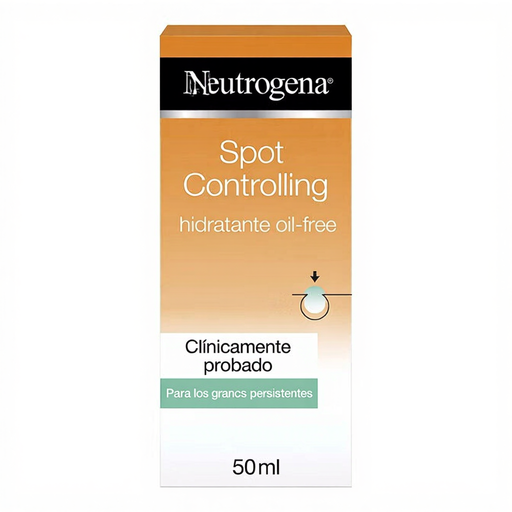
Why this is a good fit: The product description lists oil-free care with niacinamide, salicylic acid, Zinc PCA and glycerin for oily or blemish-prone skin.
The inclusion of salicylic acid highlights why application instructions and individual tolerance matter more than blanket claims about blemishes.
Oil-free texture plus glycerin, niacinamide and Zinc PCA in the stated ingredient list.
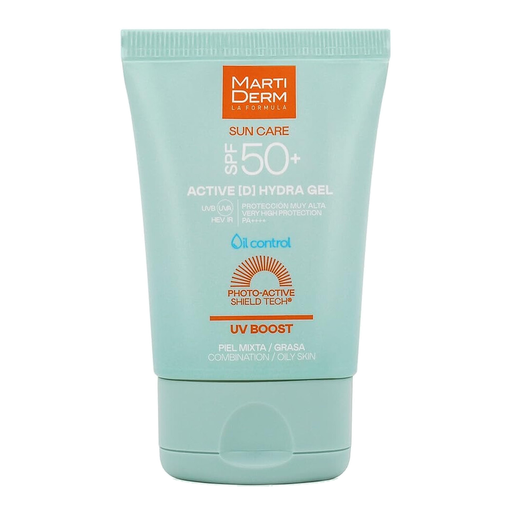
Why this is a good fit: According to the product information, this gel lotion is intended for normal, oily and combination skin, combining moisturising care with SPF50+ protection.
The SPF50+ rating should not lead you to underestimate the amount required. Reapplication is necessary after perspiring, swimming or drying off.
SPF50+, fragrance-free emulsion, fast-absorbing gel texture and sweat-resistant properties according to the description.
Explore the full selection for more products, including oil-free face creams, lightweight lotions and mattifying formulas for different skin types.
A moisturiser is normally applied to the face and neck after cleansing. When trying a new product, it is advisable to start with a small test area. This is especially important for sensitive skin, known allergies or products containing acids; avoid introducing several new active ingredients into your routine at the same time.
A soothing face cream containing Centella Asiatica, such as Centella Blemish Cream, VT Cosmetics Cica Cream Plus or SKIN1004 Madagascar Centella Soothing Cream, can be selected according to your personal preferences for texture and ingredients. The individual product description and packaging remain the definitive sources for the current formula.
For oily skin, an oil-free face cream, lightweight gel lotion or mattifying face cream may be suitable. A comfortable texture and individual tolerance are key. If your skin is prone to blemishes, also check the INCI list.
The PAO symbol on the packaging is the key reference—for example, “12M” means twelve months after opening. Changes in smell, colour or consistency may indicate declining product quality. The specific expiry date and batch number are shown on the packaging.
A cream with SPF can cover part of your daytime skincare routine. However, during intense or prolonged sun exposure, use the recommended amount of a suitable sunscreen and reapply it regularly. A standard moisturiser without SPF does not provide stated UV protection.