
Lieferung heute & morgen

Qualitätsgarantie

Willkommens-Angebote freischalten: KOSTENLOSE Lieferung | Bis zu 80 % RABATT | Kostenlose 30-Tage-JoyPlus-Testphase
App herunterladen
The right facial moisturiser should keep your skin comfortable, suit its needs and fit easily into your daily routine. There’s plenty to choose from, from lightweight lotions and gel-creams to richer barrier creams. But marketing claims such as ‘glass skin’, ‘24-hour hydration’ or ‘for all skin types’ are no substitute for checking the texture, ingredients and how to use the product.
A thick cream doesn’t automatically provide more effective care. Very rich formulas can feel uncomfortable on oily or blemish-prone skin, where a lightweight face cream or gel may be more practical. Dry skin, on the other hand, often benefits from a combination of hydrating and emollient ingredients.
Hyaluronic acid, snail mucin, rice extract, PDRN and retinol are familiar ingredients in Korean skincare and other skincare ranges. But simply seeing one of them on the label tells you little about whether the overall product suits your skin. Check the full INCI list and look out for fragrance, essential oils or any ingredients you know your skin reacts to.
A 30ml pot can be useful for occasional use or travel, while 100 to 150ml may last longer if you use it twice a day. Packaging matters too: a pump dispenser makes it easy to dispense the product hygienically, while a jar needs to be opened and accessed with your fingers each time. This isn’t a judgement of quality, but it’s worth factoring into your decision.
The order of ingredients gives you an initial indication of which ones are present in the largest amounts. Glycerin, water and butylene glycol are common humectants. Ceramides, cholesterol and skin-like lipids are often used in formulas designed to support the skin barrier. Silicones such as dimethicone can leave skin feeling smoother and aren’t automatically a cause for concern.
If your skin is sensitive or prone to allergies, take any known personal intolerances into account. Formulas can change, so always check the current ingredients list on the product packaging.
Most products are applied to the face and neck after cleansing. You’ll often only need a small amount; too much cream can pill under make-up or leave a shiny film. In the morning, a facial moisturiser shouldn’t replace sun protection. When trying a new formula, it’s a good idea to apply it to a small area of skin first. Stop using it if you notice redness, itching or a burning sensation.
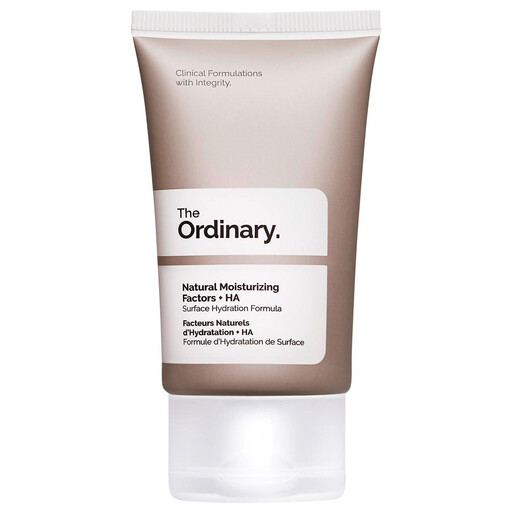
Why this product suits this profile: The handy 30ml size is a good fit if you’re looking for a straightforward, fragrance-free face cream with a clear product focus.
The formula combines Natural Moisturizing Factors, amino acids, fatty acids and Sodium Hyaluronate, rather than relying on a single trending ingredient.
Described as fragrance-free, with a 30ml size and a cream texture that works well after serums.
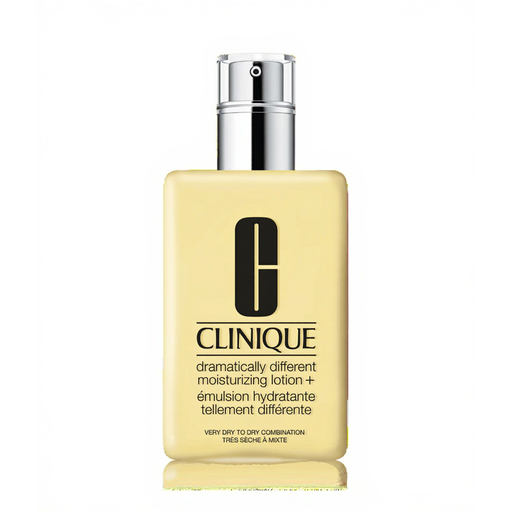
Why this product suits this profile: The 125ml pump bottle is designed for a regular morning and evening routine. According to the product description, it’s suitable for very dry to dry-combination skin.
You can check whether it’s right for you by considering your skin type, fragrance-free status and the full INCI list, rather than relying on a general hydration claim.
125ml pump bottle, described as having no added fragrance, with glycerin, urea and Sodium Hyaluronate in the ingredients list.
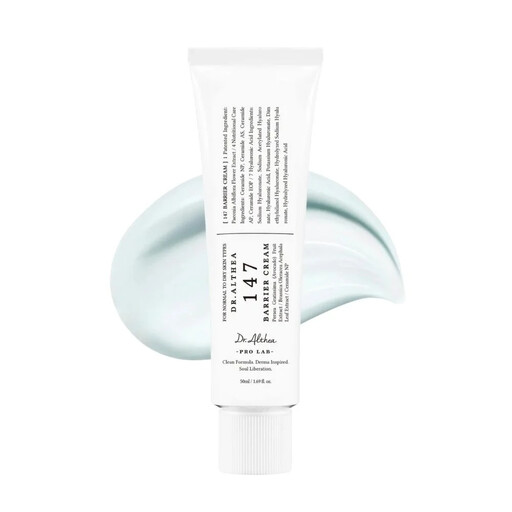
Why this product suits this profile: This cream is aimed at shoppers looking for a richer Korean moisturiser with ceramides and several forms of hyaluronic acid.
The advertised barrier-supporting routine is reflected in the INCI list, which includes Ceramide NP, AS, AP, NG, NS and EOP, as well as cholesterol.
50 ml, several ceramides and seven listed forms of hyaluronic acid, according to the product description.
We’ve put together a complete, regularly updated list of products that meet these strict selection criteria and fully comply with the safety regulations in force in the EU.
Richer formulas containing glycerin, urea, squalane, ceramides or lipids are often suitable for dry skin. A 125ml lotion can be practical for everyday use. If your skin is also sensitive, check the ingredients list for fragrance and any ingredients you know your skin reacts to.
Face cream is generally used morning and evening after cleansing. The amount you need depends on the texture, how your skin feels and what other steps are in your routine. In daylight, follow your morning routine with suitable sun protection. It’s best to introduce new products gradually.
Check the best-before date and the period-after-opening symbol on the packaging. Changes in smell, colour or consistency can also be signs that the product has changed. Store products tightly closed in a dry place, away from direct sunlight.