
Lieferung heute & morgen

Qualitätsgarantie

Willkommens-Angebote freischalten: KOSTENLOSE Lieferung | Bis zu 80 % RABATT | Kostenlose 30-Tage-JoyPlus-Testphase
App herunterladen
A face serum can be a targeted addition to your skincare routine. However, the choice is vast: Korean face serums, K-Beauty serums, anti-ageing serums, retinol serums and hydrating serums can differ considerably in their ingredients, concentration, texture and application. If you are guided solely by terms such as “glow”, “glass skin” or “intensive”, you can quickly end up buying a product that does not suit your skin type or fit into your existing routine.
This shopping guide from the Joybuy Product Recommendation Officer takes an objective look at the most important criteria and highlights which products may suit different usage profiles.
A high concentration does not automatically mean that a serum is suitable for every skin type. Niacinamide, retinol, retinal, acids and vitamin C derivatives can have different levels of tolerance depending on the formulation. The complete INCI list, frequency of use and your individual skin response are therefore the decisive factors.
A retinol serum or retinal serum should not be combined thoughtlessly with other potent ingredients. Using retinoids, exfoliants and highly concentrated vitamin C products at the same time, for example, can place unnecessary strain on your routine. For beginners, introducing a small number of products gradually makes things easier to manage.
This label describes a broad target group but says little about individual intolerances. If you have sensitive skin, pay particular attention to fragrances, essential oils, alcohol and known allergens. Even a serum for sensitive skin should first be tested on a small area of skin.
A lightweight, watery texture is often suitable for applying several layers or for oily skin. Creamier formulations may feel more comfortable on dry skin. Also check the fill size: 15 ml, 30 ml, 50 ml and 100 ml can only be compared meaningfully when the recommended dosage is taken into account.
Most serums are applied after cleansing and, where applicable, after toner. Moisturiser is then applied. Suitable sun protection should be used during the day, particularly with routines containing retinoids or ingredients positioned as brightening agents.
For light- or oxidation-sensitive ingredients, well-sealed packaging and storing the product away from light are practical considerations. The PAO symbol, best-before date and batch number can be found on the packaging. The current INCI list on the product is the authoritative reference, as formulations may change between batches.
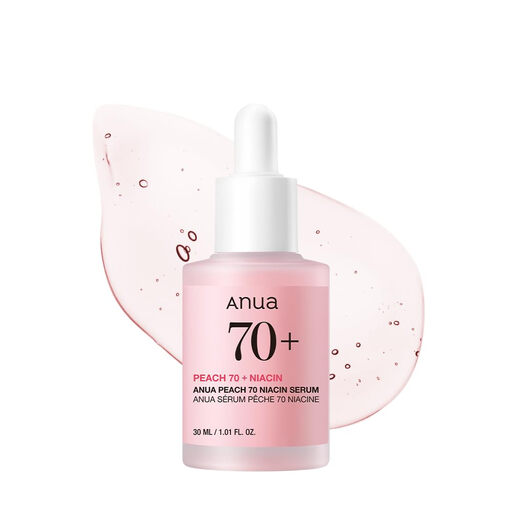
Why this product suits the profile: According to the product details, the formulation contains 5% niacinamide, 70% fermented peach extract and three forms of hyaluronic acid. It is therefore aimed at users who want to combine hydration and a more even-looking complexion in one serum.
The specific niacinamide percentage makes it easier to assess than vague “glow” promises. Nevertheless, check the INCI list against the packaging before use.
30 ml contents; niacinamide, glycerine and hyaluronic acid in a lightweight serum formulation.
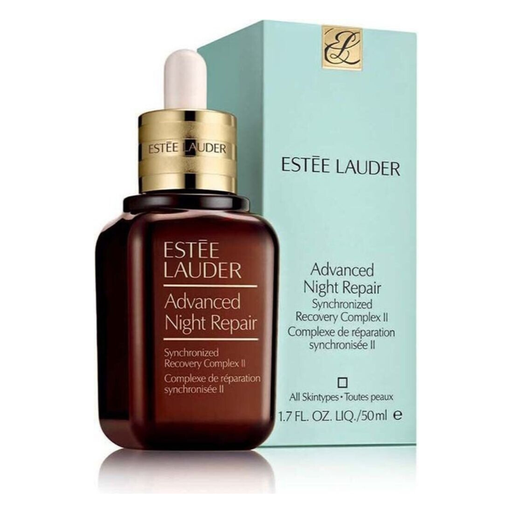
Why this product suits the profile: This serum contains 50 ml, has an oil-free texture and includes ingredients such as glycerine, sodium hyaluronate, squalane and acetyl hexapeptide-8. It is suitable for users who prefer an established night-time skincare product with a documented INCI list.
The ingredients list shows which humectants, conditioning ingredients and preservatives are included. Fragrance is also listed and should be taken into account if you have sensitive skin.
50 ml contents; fast-absorbing, oil-free texture according to the product description.
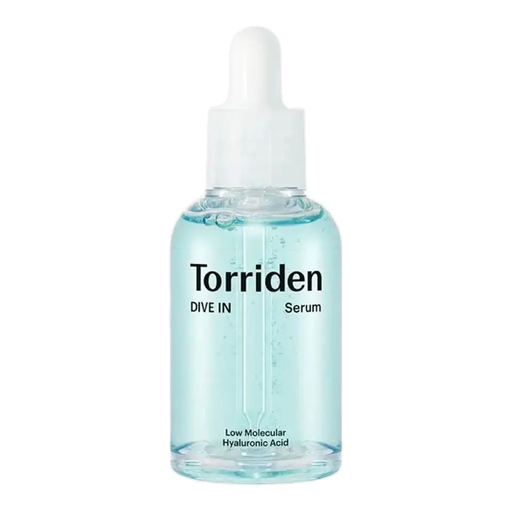
Why this product suits the profile: According to the product description, this hyaluronic acid serum contains five forms of hyaluronic acid as well as panthenol, ceramide NP and beta-glucan. It is suitable for a daily morning and evening routine focused on hydration.
The formulation focuses on hydration rather than a large number of potent active ingredients. This makes it easier to incorporate into an existing routine.
50 ml contents; fragrance-free, vegan product according to the product information, with several forms of hyaluronic acid.
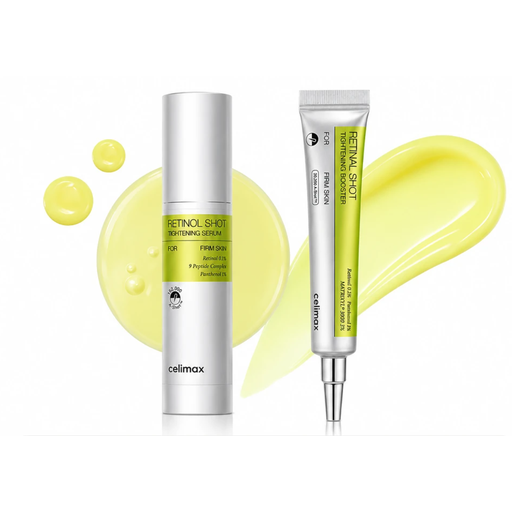
Why this product suits the profile: This set combines a 15 ml Retinal Shot Tightening Booster with a 30 ml Retinol Shot Tightening Serum. It is aimed at people who want to build a vitamin A-focused routine gradually.
The two products are clearly named and separately dosed. Because they contain retinoids, they should be introduced gradually rather than used at the same time as other potent ingredients from the outset.
Two products; 45 ml in total; retinal and retinol for a stepped vitamin A routine.
For an uneven complexion, consider a serum for pigmentation containing niacinamide, alpha-arbutin or vitamin C derivatives. According to the product details, the Beauty Of Joseon Glow Deep Serum contains alpha-arbutin and niacinamide. If you experience redness, a serum containing azelaic acid, panthenol, cica and ceramides may be worth considering, such as the Anua Azelaic Acid 10 Hyaluron Redness Soothing Serum.
If you only want to care for your eyelashes, do not confuse an eyelash serum with a face serum. Eyelash serums are applied to the lash line and must not get into the eye. Stop using the product if redness, itching or stinging occurs.
We have put together a complete, regularly updated list of products that fully meet these strict selection criteria and the safety regulations applicable in the EU.
After cleansing, apply a few drops to your face and neck. Follow with a moisturiser. Retinol or retinal serums are usually used as part of an evening routine; sun protection should be worn during the day.
The PAO symbol and the information on the packaging are the key references. Six or twelve months after opening are often stated, but the exact shelf life depends on the individual product. Check the seal, smell, colour and texture regularly.
That depends on the ingredients. A hydrating serum containing hyaluronic acid can often be added without complications. Retinol, retinal, acids and highly concentrated vitamin C products, on the other hand, should not be combined without a carefully planned routine. If you have sensitive skin, a simple routine with individual products introduced gradually is advisable.