
Lieferung heute & morgen

Qualitätsgarantie

Willkommens-Angebote freischalten: KOSTENLOSE Lieferung | Bis zu 80 % RABATT | Kostenlose 30-Tage-JoyPlus-Testphase
App herunterladen
Fine lines, dry skin, enlarged pores or a dull complexion can quickly lead you to search for a facial anti-ageing serum. The choice ranges from retinol serums and hyaluronic acid concentrates to peptide and bakuchiol formulations. However, a high price, eye-catching marketing claims or a well-known brand name alone reveal little about whether a product suits your skin and skincare routine.
Retinol, hyaluronic acid, peptides and collagen are common ingredients in a facial serum for wrinkles. However, simply listing them does not prove that every person will experience a particular effect. Concentration, formulation, skin compatibility and regular use are all important factors.
Terms such as “lifting”, “cellular renewal” or “instant rejuvenation” should also be viewed critically. When specific results are claimed, check whether they are based on information from the manufacturer, a study or merely promotional wording.
A facial hydrating serum may contain glycerin, hyaluronic acid or skin-identical lipids. This can support comfortable skincare, but it does not always replace a moisturiser or adequate sun protection. Conversely, fragrances, alcohol or certain plant oils may be undesirable for sensitive skin.
The INCI list on the packaging is therefore more important than the front of the product. It may vary between batches and should be checked before purchase and before use.
A retinol serum, or a serum containing retinal, should be introduced into your routine gradually. Using it too frequently, combining it with strong acids or highly concentrated vitamin C, and failing to use UV protection can place unnecessary stress on the skin.
Pregnant women, those trying to conceive and breastfeeding women should take particular precautions with retinol-containing products. Read the relevant product information before use and seek medical advice if you are unsure.
An indication such as “0,08 % Retinol” or “500 ppm Copper Tripeptide-1” is more informative than a generic description such as “highly concentrated”. Ampoules and capsules also have practical considerations: a single portion can make dosing easier, but after opening it often needs to be used in full.
When choosing a serum for fine lines, also follow the recommended amount. Applying more product will not automatically produce better skincare results and may reduce tolerance when active ingredients are involved.
Retinoids are light-sensitive and are generally used in the evening. During the day, broad-spectrum sun protection is important. Light-protective packaging with a secure closure can be practical for sensitive ingredients.
Before applying the product over a larger area for the first time, a patch test is recommended, for example on the inside of the wrist. If persistent redness, stinging, swelling or a rash occurs, discontinue use.
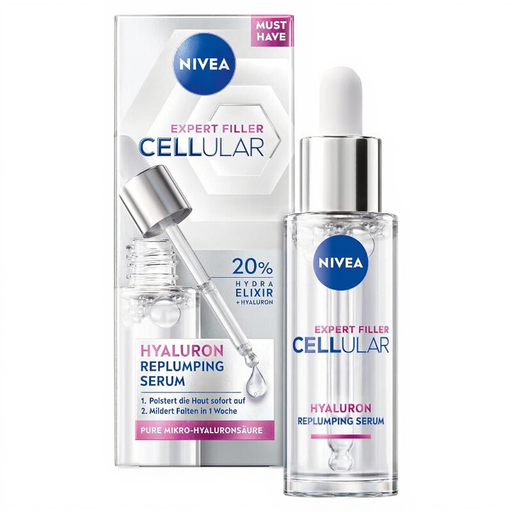
Why this product suits this profile: The formulation contains glycerin, Sodium Hyaluronate and Aloe Barbadensis leaf juice powder. This makes it a straightforward option for people who want to add hydration to their daily morning and evening routine.
The focus is on a simple hydrating formulation rather than a wide range of active ingredients that beginners might otherwise combine all at once.
30 ml contents; hyaluronic acid and glycerin listed in the INCI list; designed for use morning and evening.
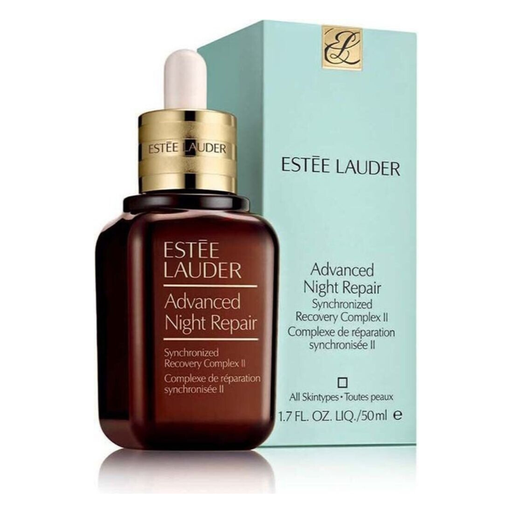
Why this product suits this profile: The formula combines glycerin, Sodium Hyaluronate, squalane and Acetyl Hexapeptide-8, among other ingredients. It is aimed at users looking for a versatile evening serum with a lightweight texture.
The product description lists specific ingredients and application instructions. This makes it easier to base your choice on the INCI list rather than broad anti-ageing promises.
50 ml contents; contains hyaluronic acid, squalane and peptide ingredients; designed for use on the face and neck.
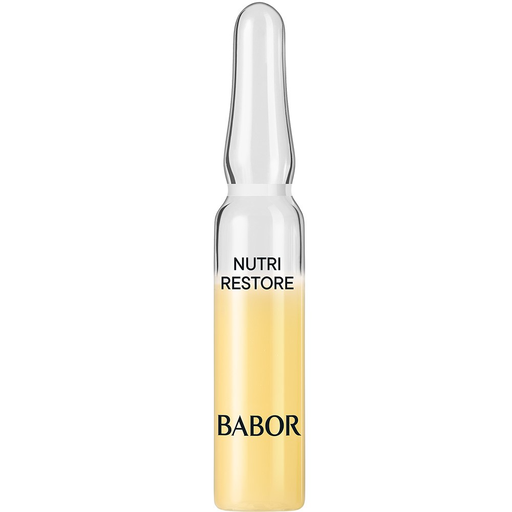
Why this product suits this profile: The ampoule format suits people who prefer pre-portioned application for the face, neck and décolletage and want to use the entire product after opening it.
The single portion removes the guesswork around dosage. It is also clearly stated that the contents should be used immediately after opening.
Contains glycerin, squalane, panthenol, ectoin and Sodium Hyaluronate, among other ingredients; designed for use on the face, neck and décolletage.
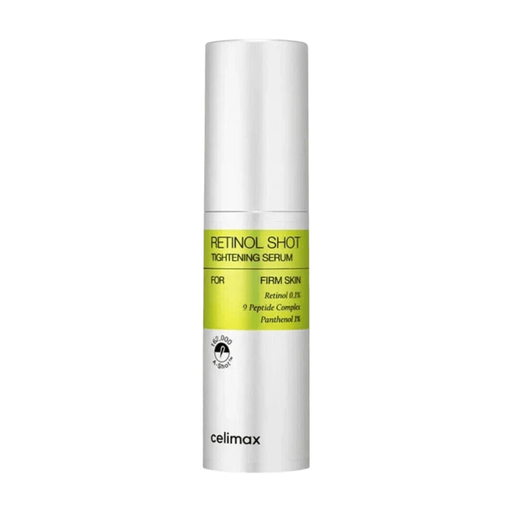
Why this product suits this profile: According to the stated INCI list, the serum contains retinol, bakuchiol, niacinamide, peptides, Sodium Hyaluronate and Ceramide NP. The recommended gradual introduction is suitable for a controlled evening routine.
The guidance recommends applying it to targeted areas during the introductory phase and exercising caution when using strong acids at the same time. This supports a more gradual adjustment.
30 ml contents; retinol, bakuchiol, peptides and ceramides in the stated formulation; designed for evening use.
A serum for elastic-looking skin is applied after cleansing and, depending on the product, after toner. Follow with a moisturiser if your skin needs additional care. When using retinol or retinal, start with two or three evenings per week. Only increase the frequency gradually once your skin has shown good tolerance.
If you want to combine several serums, avoid introducing multiple strong active ingredients at the same time. A hyaluronic acid serum is often easier to incorporate into a routine than a retinoid. If your skin is sensitive or already irritated, a simplified routine is advisable.
We have put together a complete, regularly updated list of products that fully meet these strict selection criteria and the safety regulations applicable in the EU.
Depending on the product, hydrating serums are generally used morning and evening. Retinol or retinal serums should initially be used on only a few evenings per week. The manufacturer’s instructions and your individual skin tolerance are the deciding factors.
The PAO symbol on the packaging, such as “12M”, provides guidance. With ampoules, immediate use may be required. Changes in smell, colour or consistency are a reason to stop using the product.
That depends on your skincare goal. Hyaluronic acid is mainly used when the skin lacks moisture and is generally easy to integrate into existing routines. Retinol and retinal are active vitamin A derivatives that require a more gradual introduction and consistent sun protection. Your choice should therefore take your skin condition, routine and tolerance into account.