
Lieferung heute & morgen

Qualitätsgarantie

Willkommens-Angebote freischalten: KOSTENLOSE Lieferung | Bis zu 80 % RABATT | Kostenlose 30-Tage-JoyPlus-Testphase
App herunterladen
Choosing the right facial cleanser can be a challenge, given the overwhelming array of products and marketing promises. The wrong product doesn't just clean poorly; it can also lead to irritation, dryness, or new breakouts. Many consumers invest in products that fail to deliver the desired results due to misleading claims or unsuitable formulas. This guide will help you understand the key criteria and make an informed choice.
Before we dive into the selection criteria, it's important to recognise common marketing traps that often lead to bad purchases.
To find the perfect facial cleanser, you should focus on objective product features that are tailored to your skin type and needs.
Surfactants are the cleansing agents that lift dirt, sebum, and makeup residue from the skin. Your choice of surfactant is critical for the cleanser's tolerability.
A good facial cleanser can do more than just clean. Targeted active ingredients can address specific skin problems.
The cleanser's texture affects the application experience and its suitability for different skin types.
Based on the criteria above, we have identified a few products that are particularly well-suited for specific user profiles and their needs.
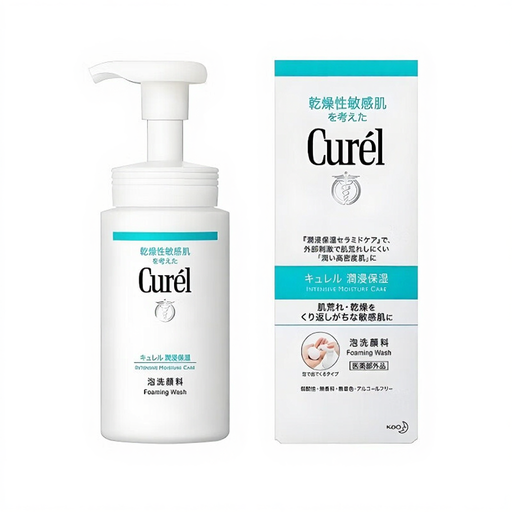
Why This Fits Their Persona: Perfect for users whose skin reacts quickly with tightness, redness, or dryness. The focus here is on an ultra-gentle cleanse that protects the skin barrier.
This product debunks the "one-size-fits-all" myth. It was specifically developed for sensitive skin and avoids harsh surfactants to preserve the skin's natural moisture balance.
Creates a dense, fine foam that gently removes dirt without irritating or drying out the skin. The formula leaves the skin feeling comfortable and hydrated.
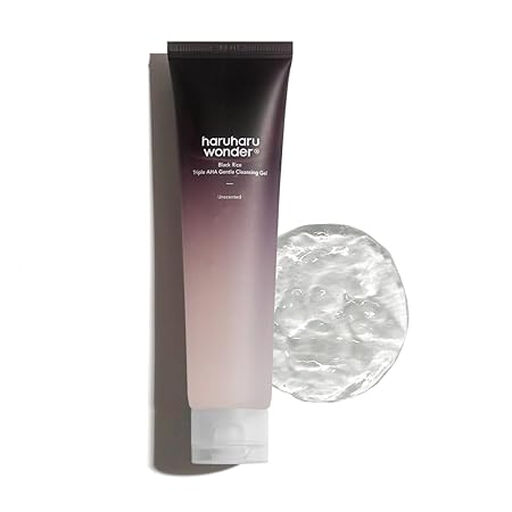
Why This Fits Their Persona: Suitable for users who want a more even skin tone and enhanced radiance. This cleansing gel provides gentle, daily exfoliation to refine skin texture.
Instead of relying on a high concentration of a single acid, this gel uses a low-dose Triple-AHA Complex. This allows for effective yet gentle exfoliation without the harshness of a high-concentration product.
Combines citric, tartaric, and mandelic acids to gently remove dead skin cells. The pH-balanced, vegan formula cleanses without causing dryness.
We've compiled a complete, up-to-date list of products that fully meet these strict selection criteria and all applicable safety regulations.
For beginners, it's recommended to start by using a product with salicylic acid just once a day (preferably in the evening) or every other day to monitor your skin's reaction. If well-tolerated, you can increase the frequency to twice daily. Since BHA can make the skin more sensitive to the sun, it is essential to follow up with a broad-spectrum sunscreen in the morning.
A wash gel has a gel-like consistency and often provides a deep, refreshing cleanse, making it a good choice for normal to oily skin. A foaming cleanser is dispensed from the pump as a foam. Its texture is lighter and can be gentler on the skin, which is why it's well-suited for combination or sensitive skin types. The choice ultimately depends on personal preference and your skin's needs.
While many facial cleansers can remove light makeup, a two-step cleanse (double cleansing) is often more effective for heavier or waterproof makeup. This method, a cornerstone of the Korean double cleanse, involves a pre-cleanse with a cleansing oil or micellar water, followed by your regular water-based facial cleanser. This ensures that all residue is thoroughly removed without stripping the skin.