
Lieferung heute & morgen

Qualitätsgarantie

Willkommens-Angebote freischalten: KOSTENLOSE Lieferung | Bis zu 80 % RABATT | Kostenlose 30-Tage-JoyPlus-Testphase
App herunterladen
Blemishes do not always develop for the same reason. Excess sebum, make-up residue, sun cream, dead skin cells or cleansing that is too harsh can all affect the appearance of your skin. If you are looking for a facial cleanser for blemish-prone skin, you should therefore look beyond terms such as “pore care” or “acne cleanser”.
Skin compatibility, cleansing performance and ingredients are what really matter. The right product can remove dirt and sebum without placing unnecessary stress on your skin. However, it is not a substitute for dermatological treatment if you have persistent or severe skin problems.
A strongly foaming pore cleanser may feel particularly thorough. However, a tight feeling after washing is not a reliable sign that your skin has been cleansed more effectively. Alcohol, intense fragrances or harsh surfactants can cause additional irritation, especially for sensitive skin.
For a facial cleanser for oily skin, mild surfactants and a short contact time are often more suitable than prolonged rubbing. Even with combination skin, it is generally best to focus on the T-zone, while the drier cheeks need less friction.
A BHA facial cleanser or salicylic acid cleanser may be appealing for oily skin prone to blackheads. However, using an acid toner, exfoliator and other active products as well increases the risk of dryness and redness.
You should therefore review your entire skincare routine. Start by using a cleanser with salicylic acid at a moderate frequency. Stop using it if you experience burning, persistent redness or itching.
Marketing terms do not automatically describe a product’s composition. Check the INCI list to see whether it contains ingredients such as salicylic acid, fragrances, essential oils or moisturising components. Formulas can change, so the ingredients listed on the relevant packaging are what matter.
A cleansing foam is particularly suitable for people who prefer a simple water-based cleanse in the morning and evening. A cleansing oil for sensitive skin or cleansing balm, on the other hand, is practical when you need to remove water-resistant sun cream or make-up.
With double cleansing, you first use an oil or balm, followed by a water-based cleanser. This routine is not necessarily required every day, but it can be useful in the evening when you have been wearing make-up or highly adherent sun cream.
A 100- to 150-ml tube is a manageable size for getting started and easy to take with you when travelling. Larger 200-ml or 400-ml products are more suitable for frequent users. Pay attention to the recommended amount and the product’s period after opening. A low price per pack does not automatically mean lower ongoing costs if you need to use considerably more product each time.
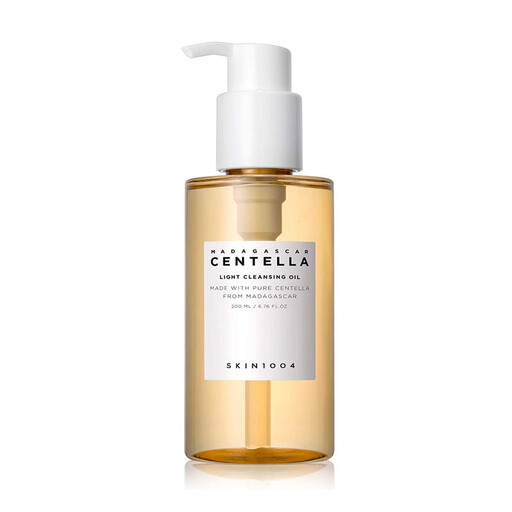
Why this product suits the profile: The 200-ml cleansing oil is designed for the first step of a double-cleansing routine and can dissolve make-up and sun cream.
The emulsification with water and application to dry skin are clearly described, which can help reduce unnecessary rubbing.
Centella asiatica extract, plus sunflower, macadamia and jojoba oils according to the product description.
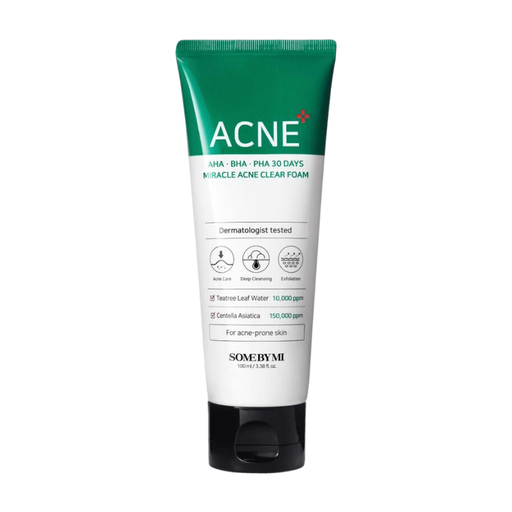
Why this product suits the profile: This cleansing foam is aimed at people with oily skin who want a combination of BHA, AHA and PHA in one cleansing product.
The product details specify 5,000 ppm salicylic acid, along with citric acid and lactobionic acid. This makes it possible to check the acid selection specifically.
100 ml content, creamy foam and Truecica-related plant extracts according to the product description.
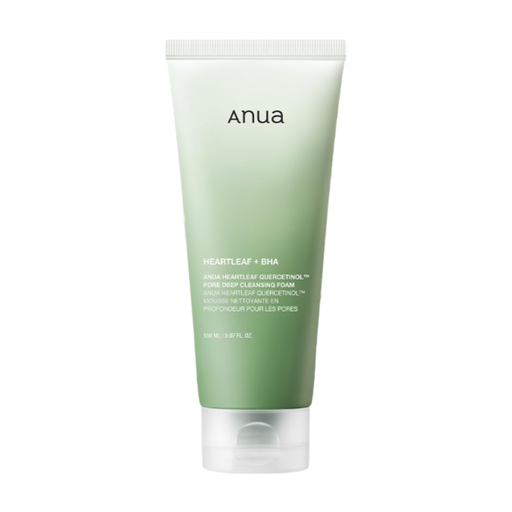
Why this product suits the profile: According to the product details, the formula combines heartleaf extract, panthenol and allantoin with salicylic acid, and is aimed at sensitive, oily and blemish-prone skin.
The product details indicate a formula without sulphates or alcohol. Even so, you should check your individual tolerance before using it regularly.
150 ml content, dense foam and several forms of hyaluronic acid according to the INCI details.
We have put together a complete, regularly updated list of products that fully meet these strict selection criteria and the safety regulations applicable in the EU.
This depends on your skin type and the product. A mild cleanser can often be used in the morning and evening. With products containing BHA, AHA or PHA, it is best to start gradually. Follow the directions on the packaging and pay attention to how your skin reacts.
This varies from person to person. A low concentration, short contact time and reduced frequency of use may make the product easier to tolerate. Acid-containing products should not be used on irritated, damaged or acutely reddened skin.
Using a small, hazelnut-sized amount each time, a 150-ml tube can last several weeks, depending on how often you use it. Foam the cleanser between your hands first and massage it in only briefly. This helps you control how much you use without putting your skin under strain through prolonged rubbing.