
Lieferung heute & morgen

Qualitätsgarantie

Willkommens-Angebote freischalten: KOSTENLOSE Lieferung | Bis zu 80 % RABATT | Kostenlose 30-Tage-JoyPlus-Testphase
App herunterladen
A facial cleanser for blemish-prone skin should remove excess sebum, make-up residue and dirt without leaving your skin feeling uncomfortably dry after washing. Choosing one isn’t always straightforward, though. Terms such as “Pore Control”, “Deep Cleansing” and “Acne Clear” often describe how a product is positioned, but don’t tell you much about its actual formula on their own.
Three common pitfalls can lead to the wrong purchase:
A facial cleanser with salicylic acid often focuses on BHA, or salicylic acid. In rinse-off products, this ingredient is primarily used to cleanse away excess oil from the skin. The concentration and how long you leave the product on are key. For example, a product that specifies 0.5% salicylic acid is easier to assess than a formula that simply makes a general claim about “BHA”.
AHAs and PHAs are also used in cleansers. However, an AHA BHA PHA cleanser shouldn’t automatically be used twice a day, every day. If you already use a separate exfoliant or have sensitive skin, start carefully and keep an eye on how your skin responds.
A low pH is specifically highlighted for products such as the Low-pH Good Morning Cleanser. However, pH alone isn’t proof of quality. What matters is whether your skin feels clean after rinsing, without feeling tight for a prolonged period.
A gel or light foam can feel pleasant if you’re looking for a facial cleanser for oily skin. For combination or sensitive skin, mild surfactants and a short massage are often a more practical choice. Avoid the eye area and any irritated patches of skin.
A cleansing oil for blackheads won’t automatically remove existing blackheads. It mainly loosens oil-based residue such as make-up, sun cream and sebum. Gently massage the oil into dry skin, then add water to emulsify it and rinse it off. Follow with a water-based cleanser if needed.
Fragrance and essential oils are also worth considering when cleansing congested pores. Product information for some cleansing oils, for example, lists fragrance or rosemary oil. If your skin is sensitive to these ingredients, check the latest INCI list on the packaging. Ingredients can vary between product batches.
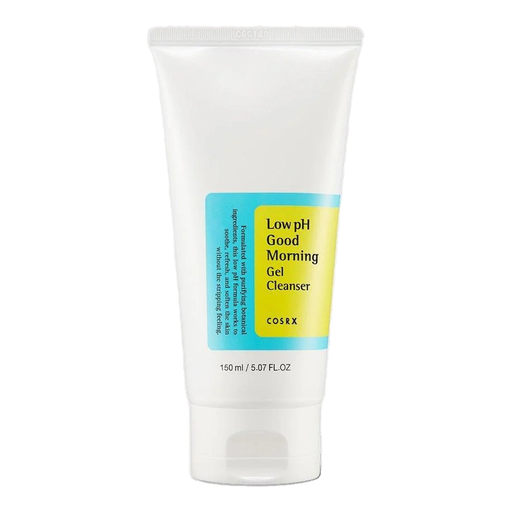
Why it suits this profile: The compact 50 ml size is ideal for trying the cleanser or taking it on your travels. The gel lathers with water and is designed for a simple morning and evening routine.
The smaller pack reduces the risk of having to use up a texture that doesn’t suit you. The manufacturer states that it has a mildly acidic pH and highlights BHA and tea tree oil.
50 ml, a gel-to-foam texture and betaine salicylate, according to the product information.
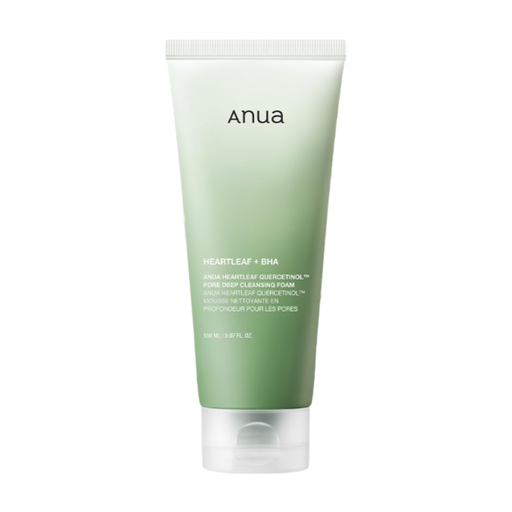
Why it suits this profile: According to the product description, the formula combines heartleaf extract, panthenol and allantoin with a creamy foam texture. It’s a good option for shoppers who compare INCI details and look for fragrance-conscious products.
You can check the published ingredients list rather than relying solely on terms such as “pore care”. The product information describes a formula free from sulphates, alcohol and synthetic fragrance; always refer to the packaging.
150 ml, salicylic acid in the INCI list and several ingredients associated with hydration.
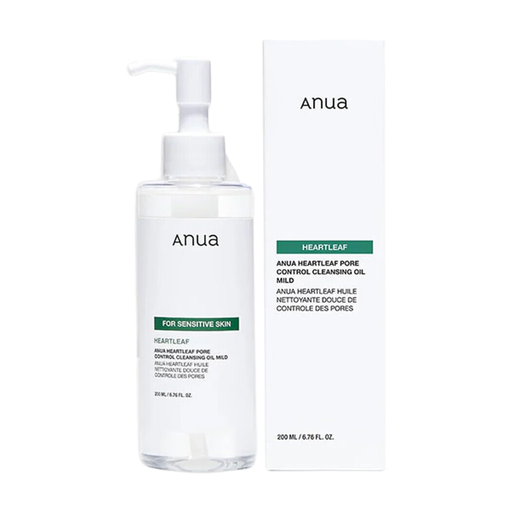
Why it suits this profile: This cleansing oil is designed as the first step in a double cleanse. Its generous 200 ml size makes it suitable for regular use. Apply it to dry skin, then emulsify with water.
The clear instructions to massage, add water and rinse thoroughly help prevent oil residue from being left on your skin. If you have sensitive skin, check for rosemary oil and read the full INCI list.
200 ml, designed for make-up and sun cream, with instructions to emulsify with water.
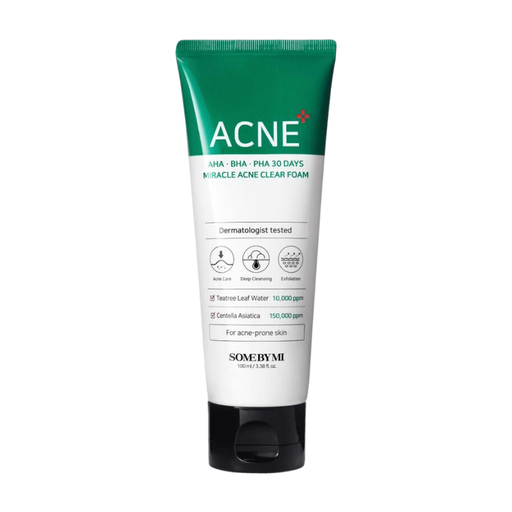
Why it suits this profile: According to the product information, this cleansing foam is aimed at oily skin and skin prone to congested pores. It contains AHA, BHA, PHA and 5,000 ppm salicylic acid.
The combination of acids is clearly listed. For that reason, take care not to combine the product with additional exfoliants without considering the effect on your skin. Stop using it if irritation occurs.
100 ml, an AHA-BHA-PHA combination and 5,000 ppm salicylic acid, as stated in the product description.
We’ve put together a complete, regularly updated list of products that meet these strict selection criteria and fully comply with the safety regulations in force in the EU.
A simple routine is enough in many cases:
Cosmetic facial cleansers aren’t intended to treat acne or other skin conditions. If your skin is persistently painful or severely inflamed, seek advice from a dermatologist. Stop using the product if you experience burning, redness, itching or a rash.
A gel or foam cleanser with mild surfactants can remove excess sebum. If you have visible sun cream or make-up residue, a double cleanse with a cleansing oil followed by a cleanser is often more suitable. How your skin feels, the ingredients and how often you use the cleanser matter more than how much it foams.
It depends on the formula and how well your skin tolerates it. If you’re using a BHA facial cleanser, it’s sensible to start by using it less frequently, particularly if you also use AHAs, PHAs or physical exfoliants. Always follow the instructions on the packaging.
The exact best-before date, batch number and, where applicable, the symbol showing how long the product can be used after opening are printed on the packaging. Don’t let water, foreign matter or other products get into the container. If the cleanser changes colour, smell or texture, stop using it.