
Lieferung heute & morgen

Qualitätsgarantie

Willkommens-Angebote freischalten: KOSTENLOSE Lieferung | Bis zu 80 % RABATT | Kostenlose 30-Tage-JoyPlus-Testphase
App herunterladen
Blemished skin can have various causes: excess sebum, dead skin cells, make-up residue or a cleanser that is not suited to your skin type. A facial cleanser for blemished skin can remove dirt and skin oils, but it is not a substitute for dermatological treatment. The key consideration, therefore, is not a striking advertising claim, but a clear choice based on skin type, ingredients and use.
Very dry or tight-feeling skin after washing is often promoted as a sign of particularly thorough cleansing. However, it can also indicate that the formula is stripping too much oil from the skin. With sensitive or acne-prone skin, an irritated skin barrier can make daily skincare more difficult.
For this reason, pay attention to the actual cleansing base and observe your skin after rinsing. A suitable cleansing foam for spots or facial cleansing gel should dissolve dirt and excess sebum without causing persistent stinging or severe dryness.
Salicylic acid is often mentioned in connection with blocked pores and blemished skin. However, without a stated concentration, it is difficult to assess how intensive the product is. In addition, a facial cleanser is rinsed off and remains on the skin for less time than a leave-on skincare product.
Therefore, check the ingredients list for salicylic acid, betaine salicylate or other declared ingredients. If you have sensitive skin, start by using the product cautiously. If redness, stinging or discomfort occurs, stop using the product.
A cleansing foam can be practical in the morning and evening, while a mild gel may be more suitable for travelling, or a large pump bottle may be better for everyday use at home. Fragrances, essential oils and certain surfactants may also be relevant for some people.
When it comes to facial cleansing for acne and oily skin, the focus should not be solely on maximum oil removal. For sensitive skin, a short contact time, lukewarm water and a gentle massage are usually more appropriate than vigorous rubbing.
The term “non-comedogenic” can be helpful, but it should not be your only buying criterion. Your individual skin response, the rest of your skincare routine and how often you use the product also play a role.
Compare the INCI list on the packaging with the information in the online shop, as formulations can change. Relevant details include:
An anti-spot cleanser is a cosmetic cleansing product and should not automatically be equated with medical treatment. If you have inflamed, painful or persistent skin changes, it is advisable to seek medical advice.
Facial cleansers are generally applied to damp skin, massaged in briefly and without pressure, then rinsed off thoroughly with lukewarm water. The manufacturer’s specific instructions take priority. Washing too frequently, leaving the product on for too long or adding exfoliation can place unnecessary strain on the skin.
For ongoing costs, fill quantity and the amount of product required per use are decisive. A 400-ml product may last longer in everyday use than a smaller tube, while a 50-ml gel may be more practical for travelling.
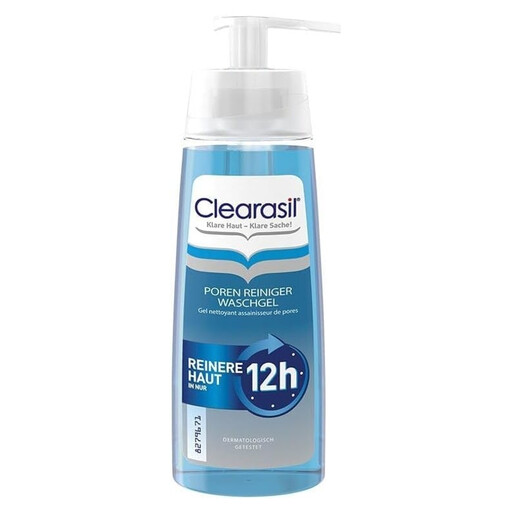
Why this product suits this profile: The 200-ml cleansing gel is indicated for normal, combination and oily skin and can be used in the morning and evening.
The product description specifies the skin types, fill quantity and usage instead of simply promoting general deep pore cleansing.
Gel texture, 200 ml content and usage instructions for cleansing the face and pores.
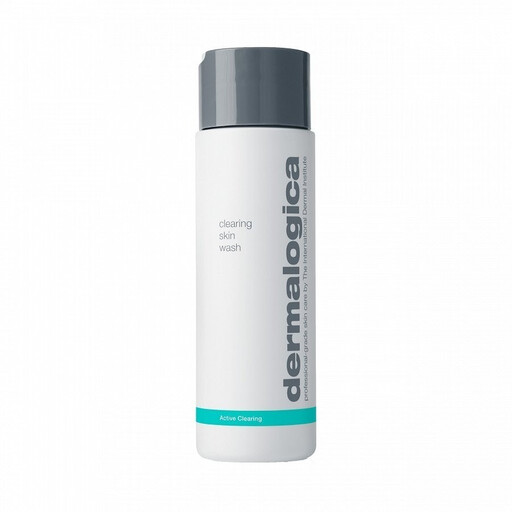
Why this product suits this profile: The formula lists salicylic acid among its ingredients and is described as a gel for blemish-prone skin.
The key details about texture, ingredients, fill quantity and use are clearly provided. The INCI list on the packaging remains authoritative.
250 ml content, gel texture and salicylic acid as a declared ingredient.
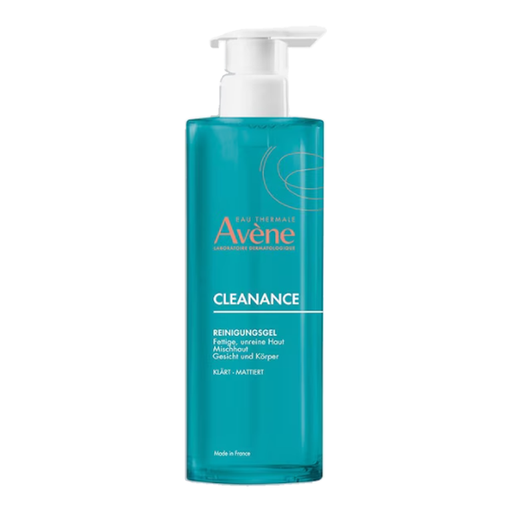
Why this product suits this profile: The large 400-ml bottle is suitable for regular facial cleansing at home and, according to the product information, is intended for use in the morning and/or evening.
The choice is based on fill quantity, product type and stated use rather than a blanket efficacy claim.
400 ml content, gel texture and instructions for daily cleansing.
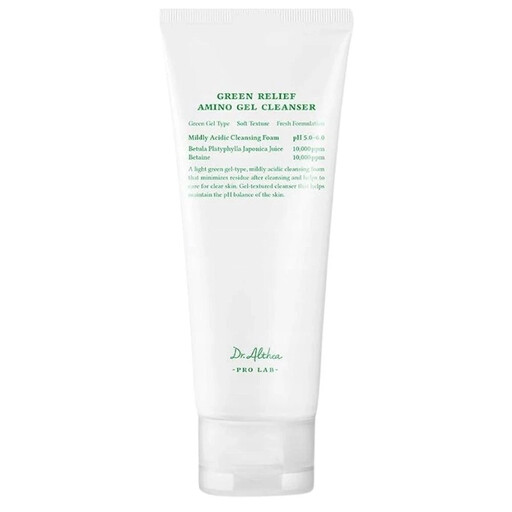
Why this product suits this profile: According to the product description, the gel uses amino acid-based surfactants and contains glycerin, panthenol and allantoin, among other ingredients.
The selection takes the cleansing base into account and avoids making a blanket claim that every formulation will suit sensitive skin.
Amino acid-based cleansing, 100 ml content and declared skincare ingredients.
We have put together a complete, regularly updated list of products that fully meet these strict selection criteria and the safety regulations applicable in the EU.
With products containing salicylic acid or other exfoliating ingredients, monitor how your skin responds. During the day, sun protection may be advisable, particularly if the rest of your skincare routine also contains ingredients that may increase sensitivity to light.
For many people, cleansing in the morning and evening is sufficient. An additional cleanse may be useful after heavy sweating. Washing more frequently does not automatically lead to fewer spots and may encourage dryness or irritation if you have sensitive skin.
This depends on the formula, concentration and your individual tolerance. Check the complete ingredients list, avoid applying the product to damaged skin and stop using it if you experience stinging, redness or persistent discomfort.
How long it lasts depends on the fill quantity, dosage and frequency of use. A 400-ml bottle may last longer with daily use than a 90-g product. For a fair price comparison, you should therefore consider not only the pack price but also the amount used per application.