
Lieferung heute & morgen

Qualitätsgarantie

Willkommens-Angebote freischalten: KOSTENLOSE Lieferung | Bis zu 80 % RABATT | Kostenlose 30-Tage-JoyPlus-Testphase
App herunterladen
Choosing a suitable facial cleanser can be a challenge given the sheer volume of products and marketing claims. The wrong product not only cleanses inadequately but can also damage the skin barrier and exacerbate existing issues like dryness or blemishes. As your Joybuy Product Recommendation Officer, I'll help you understand the key criteria and avoid common purchasing pitfalls.
Many products promise quick fixes, but they often hide formulations that do more harm than good in the long run. Pay attention to these three points to make an informed decision:
To find the right facial cleanser, you should focus on objective, verifiable product characteristics. The following three parameters are crucial for effectiveness and skin compatibility.
The skin's surface has a natural, slightly acidic pH value of about 4.7 to 5.75. This so-called acid mantle is essential for fending off harmful microorganisms and maintaining skin moisture. A facial cleanser should have a skin-neutral or slightly acidic pH value (approx. 5.5) to avoid disrupting this barrier. Products with a high (alkaline) pH can dry out the skin and make it more susceptible to irritation and blemishes. A mild facial cleanser respects this natural protection.
Surfactants are the cleansing agents responsible for removing dirt and sebum. Their quality and type largely determine the gentleness of a cleanser.
Once the base (pH value and surfactants) is right, the additional active ingredients determine the product's specific benefits.
Here you will find a selection of products tailored to specific user profiles and their needs in the UK.
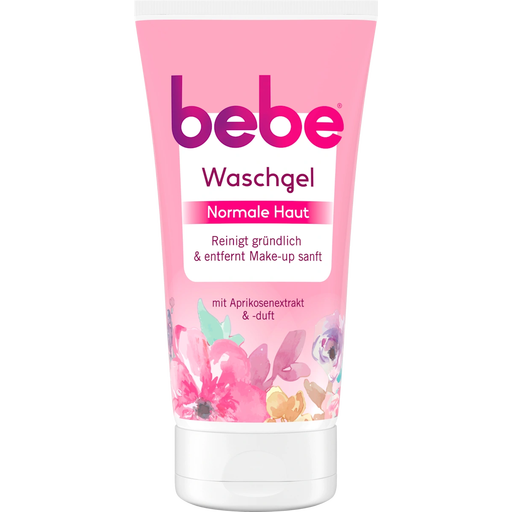
Why This Fits Their Persona: Ideal for users seeking a straightforward, reliable, and affordable solution for daily facial cleansing. It is designed for normal skin and meets basic requirements without unnecessary complexity.
This cleansing gel avoids the "for all skin types" trap by being clearly positioned for "normal skin." It makes no exaggerated claims and focuses on gentle yet effective cleansing.
Its compatibility is dermatologically and ophthalmologically confirmed. The formula with apricot extract cleanses thoroughly and leaves a pleasant, fruity scent.
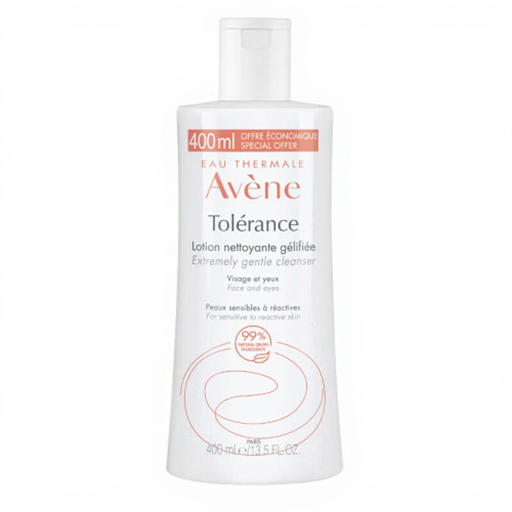
Why This Fits Their Persona: Perfect for people with very sensitive, intolerant, or allergy-prone skin who need an extremely gentle cleanse that respects the skin's natural balance and avoids irritation.
This cleansing lotion is the antithesis of a harsh cleanser. It is fragrance-free, made with 99% ingredients of natural origin, and has a no-rinse formula, making it ideal for highly reactive skin.
The formula with skin-soothing Avène Thermal Water cleanses the face, eyes, and lips without drying out the skin. The gel-like texture leaves the skin feeling soft and comfortable.
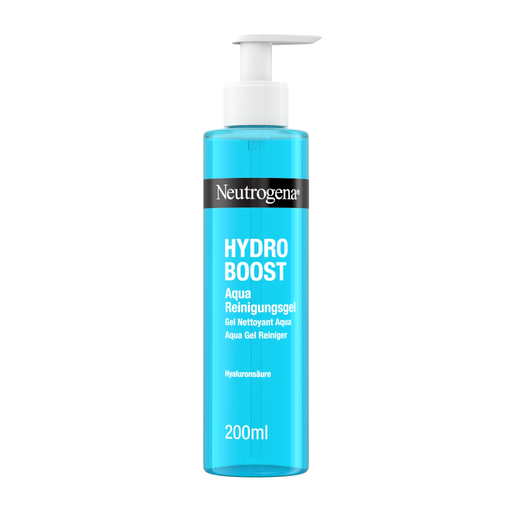
Why This Fits Their Persona: Designed for individuals whose skin feels tight and dry after cleansing. This gel aims to improve the skin's moisture balance right from the cleansing step.
This product avoids the trap of drying out the skin by focusing on a proven hydrating ingredient. It doesn't promise miracles but delivers targeted hydration through hydrolyzed hyaluronic acid.
The formula with glycerin and hyaluronic acid helps to bind moisture in the skin. Mild surfactants (Sodium Cocoyl Isethionate) ensure a gentle cleanse that protects the skin barrier.
We have compiled a complete, up-to-date list of products that fully meet these strict selection criteria and UK safety regulations.
For most skin types, cleansing twice a day—morning and evening—is recommended. The evening cleanse is particularly important to remove makeup, sunscreen, dirt, and sebum that have accumulated throughout the day. The morning cleanse removes sweat and excess sebum produced overnight. For very dry or sensitive skin, cleansing with just lukewarm water in the morning may be sufficient.
Not necessarily. A product's price is influenced by many factors, including brand positioning, packaging, and marketing costs. What's crucial is the formulation, not the price tag. An affordable cleanser with a skin-friendly pH and mild surfactants can be better for your skin than an expensive luxury product with irritating ingredients or fragrances. Focus on the ingredient list (INCI) and the core parameters mentioned above.
The main difference lies in the texture and application. A cleansing gel has a gel-like consistency and is often lathered with water in your hands before being applied to the face. A cleansing foam comes out of the dispenser as a ready-made foam. Foams often feel lighter on the skin, while gels can be perceived as more thorough. The suitability depends on your skin type and personal preference. However, more important than the texture is the underlying formulation, especially the type of surfactants used.