
Lieferung heute & morgen

Qualitätsgarantie

Willkommens-Angebote freischalten: KOSTENLOSE Lieferung | Bis zu 80 % RABATT | Kostenlose 30-Tage-JoyPlus-Testphase
App herunterladen
A facial cleanser is part of many people’s daily skincare routine. Even so, choosing the right one is not always easy: foaming cleansers, facial cleansing gels, facial cleansing oils and low-pH cleansers differ considerably in how they are used, the surfactants they contain and their active ingredients. A high price or eye-catching marketing claim says little about whether a product is actually suitable for your skin.
Pores cannot be permanently closed or reduced by a cleansing product. A pore cleanser can remove surface sebum, make-up residue and dirt. This may temporarily leave the skin looking smoother. What matters is whether the formula suits your skin and does not leave it feeling excessively tight after use.
A squeaky-clean feeling may indicate intensive removal of natural oils. This can feel uncomfortable on dry or sensitive skin. Oily skin does not need an aggressive cleanser either: if too much sebum is removed, the skin may feel dry or irritated afterwards. A facial cleanser for oily skin should remove excess sebum without placing unnecessary strain on your daily routine.
A salicylic acid facial cleanser or a product containing BHA, AHA or PHA may be worth considering if you are concerned about blemishes and clogged pores. However, the contact time before rinsing is limited. You should also avoid introducing several products with potent active ingredients at the same time. Extra care is needed if your skin is sensitive or damaged.
A low-pH cleanser is formulated to be mildly acidic. This alone does not guarantee that it will suit your skin, but it provides a useful point of comparison. The combination of surfactants is equally important. Amino acid-based or mild plant-derived surfactants can feel different from more strongly degreasing cleansing agents.
Also look for indications such as fragrance-free and alcohol-free, or check for known fragrance ingredients if your skin reacts easily. The INCI list on the packaging is the decisive source of information, as formulations may be updated.
A facial cleanser containing salicylic acid should state its concentration. For example, the Salicylic Acid Daily Gentle Cleanser lists 0.5% salicylic acid; the product description also mentions tea tree oil and willow bark water. This information does not guarantee a particular change in your skin. If your skin is sensitive, start by using the product infrequently and stop if irritation occurs.
For daily cleansing without added acids, formulas containing glycerine, panthenol or hyaluronic acid may be suitable. The same principle applies here: a “hydrating facial cleanser” does not replace a moisturiser and is not automatically suitable for every skin type.
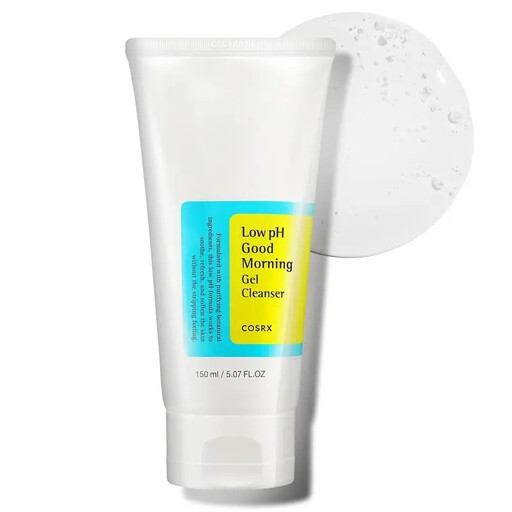
Why this product suits the profile: The 150 ml gel is suitable for a simple morning and evening routine. Its stated mild pH range and foaming action make it easy to use.
The product description focuses on pH balance and gentle cleansing rather than promising permanently smaller pores.
Gel texture, 150 ml contents and betaine salicylate according to the ingredients list.
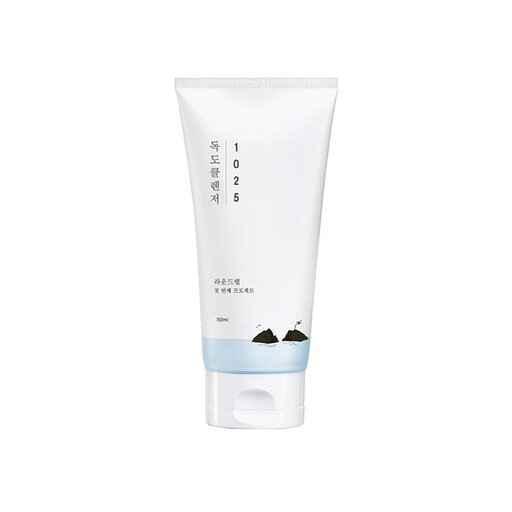
Why this product suits the profile: The product details list a gentle cleansing base as well as glycerine and panthenol. This will appeal to people who place greater importance on ingredients and how their skin feels than on an intensely foaming cleanser.
The selection is based on specific information about the cleansing base and moisturising ingredients, not general claims about changing the skin.
150 ml contents, mild surfactants, glycerine and panthenol according to the product details.
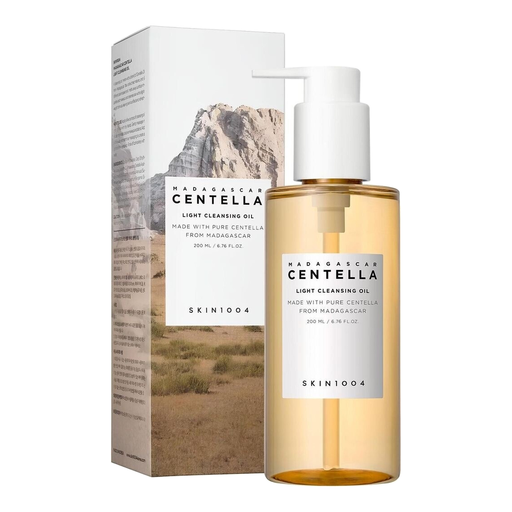
Why this product suits the profile: This cleansing oil is worth considering if you regularly wear make-up or sun cream. Apply it to dry skin and then emulsify it with water.
The usage method takes oil-based residue into account, rather than assuming it should be removed solely with a mild foaming cleanser.
200 ml contents, micellar formula according to the product description and emulsification with water.

Why this product suits the profile: The product description specifies 0.5% salicylic acid and positions the product for combination, oily and blemish-prone skin. Introduce the product into your routine carefully and adjust the dosage to suit your skin.
The specific active ingredient information makes it easier to assess the product. The warning states that use should be discontinued if irritation occurs.
0.5% salicylic acid according to the product details and 150 ml contents.
We have put together a complete, regularly updated list of products that fully meet these strict selection criteria and the safety regulations applicable in the EU.
Moisten your face and hands, apply a small amount of cleanser to your palms and massage it in without applying heavy pressure. Lukewarm water is usually more comfortable than very hot water. When using a cleansing oil, apply it to dry skin first. Then mix it with a little water until it forms a milky emulsion.
New products should first be tested on a small area of skin. If you experience redness, burning, swelling or persistent irritation, stop using the product and seek dermatological advice if necessary. Products containing acids should not be applied to broken or severely irritated skin.
For many routines, using a cleanser in the morning and evening is sufficient. If your skin is dry or sensitive, cleansing with water in the morning may feel more comfortable. After exercising, heavy sweating or wearing make-up, a suitable evening cleanse is advisable.
The best-before date, the symbol indicating the period after opening and the information on the packaging are the key points to check. Store the product in a dry, cool place away from direct sunlight. Changes in colour, smell or consistency are signs that you should stop using it.
For blemish-prone or oily skin, gel cleansers or formulas containing salicylic acid or betaine salicylate may be suitable. This is not a medical treatment and does not replace dermatological advice in cases of severe or persistent acne. Appropriate use, suitability and a skincare routine that is not overloaded remain essential.