
Lieferung heute & morgen

Qualitätsgarantie

Willkommens-Angebote freischalten: KOSTENLOSE Lieferung | Bis zu 80 % RABATT | Kostenlose 30-Tage-JoyPlus-Testphase
App herunterladen
The selection of facial cleansers is vast, and manufacturers' promises are often just as big. However, an unsuitable product can stress the skin more than it cares for it. As your Joybuy Product Recommendation Officer, I'll help you navigate the marketing jungle and make an informed decision based on objective criteria.
Many buyers fall into common pitfalls. A frequent issue is the assumption that a product labelled "for all skin types" is universally optimal. In reality, dry and oily skin have completely opposite needs that a single product can hardly satisfy simultaneously. Another trap is the belief that only aggressive cleansing can help with blemish-prone skin. However, this often leads to a damaged skin barrier, which can worsen problems in the long run.
Instead of being guided by advertising claims, you should focus on verifiable product characteristics. Three parameters are particularly important.
The skin's surface is protected by a natural acid mantle with a slightly acidic pH value of about 4.7 to 5.75. This barrier protects against moisture loss and the penetration of harmful microorganisms. Many conventional soaps are alkaline (high pH) and can disrupt this protective layer. The result can be dry, irritated, or more vulnerable skin. A pH-balanced cleansing gel or a slightly acidic formula supports the skin's natural function and is a prerequisite for gentle facial cleansing.
Surfactants are the active cleansing agents that dissolve dirt and oil. However, there are significant differences in their effects. Aggressive sulfates like Sodium Lauryl Sulfate (SLS) cleanse powerfully but can also strip the skin of valuable lipids, causing it to dry out. Mild surfactants, often derived from coconut oil or sugar (e.g., Coco-Glucoside, Sodium Cocoyl Isethionate), cleanse effectively without compromising the skin barrier. A look at the ingredients list helps to identify the type of surfactants used.
A good facial cleanser should not only clean but also address specific skin conditions.
Based on the criteria mentioned above, we have selected a few products for different user profiles.
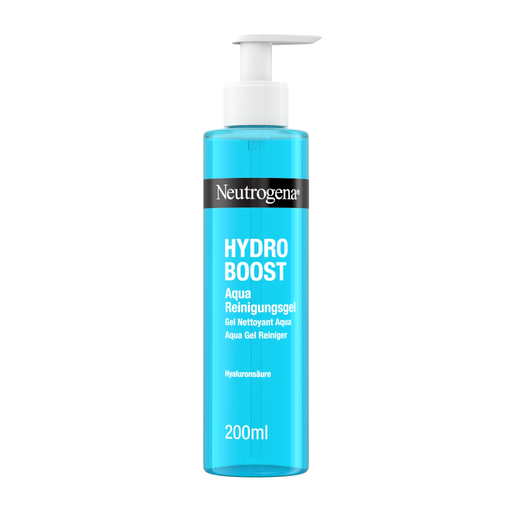
Why this product is a great fit: For anyone whose skin feels tight and dry after cleansing. This cleansing gel aims to support the skin's moisture balance right from the cleansing step.
This product bypasses the "one-size-fits-all" trap by clearly focusing on one need: hydration. It's not an all-rounder, but a specialist for dry skin.
The formula contains hydrolyzed hyaluronic acid, a well-known moisture-binding agent that helps keep the skin hydrated during and after cleansing.
We have compiled a complete, up-to-date list of products that fully meet these strict selection criteria and comply with current regulations.
For most skin types, cleansing twice a day—morning and evening—is recommended. The morning cleanse removes sweat and sebum that have accumulated overnight. The evening cleanse is essential to remove makeup, sunscreen, dirt, and pollutants from the day. For very dry or sensitive skin, cleansing with just lukewarm water in the morning may be sufficient.
Strictly speaking, "pH-neutral" means a value of 7. In the context of skincare, however, the term usually refers to products whose pH is adapted to the skin's natural, slightly acidic pH (around 5.5). Such a "skin-neutral" or "pH-friendly" cleansing gel helps to keep the skin's acid mantle intact and prevents irritation and dryness.
A cleanser for blemish-prone skin is an important first step in an anti-acne skincare routine, as it removes excess sebum and bacteria. However, for persistent or inflammatory acne, it is usually only part of the solution. A comprehensive routine that also includes targeted treatments (e.g., serums with salicylic acid or benzoyl peroxide) and a suitable moisturiser is generally more effective. For severe forms of acne, consulting a dermatologist is advisable.