
Lieferung heute & morgen

Qualitätsgarantie

Willkommens-Angebote freischalten: KOSTENLOSE Lieferung | Bis zu 80 % RABATT | Kostenlose 30-Tage-JoyPlus-Testphase
App herunterladen
A facial cleanser is part of many people’s daily skincare routine. However, choosing the right one is not always easy: cleansing foam, facial cleansing gel, cream cleanser and low-pH facial cleanser can differ considerably in terms of surfactants, pH value, fragrances and additional active ingredients. A product that leaves your skin feeling particularly “squeaky clean” after washing may be unsuitable for dry or sensitive skin.
The following buying criteria can help you assess marketing claims and choose a facial cleanser that suits your skin and daily routine.
A strong feeling of tightness after cleansing is not a reliable sign that dirt or excess sebum has been removed particularly effectively. It may indicate that the formula is stripping too much oil from the skin. For dry, sensitive or stressed skin, a mild facial cleanser with skin-friendly surfactants is usually the more practical choice.
Products for blemished skin may contain salicylic acid, AHA, PHA, essential oils or menthol. These ingredients may be appealing for oily or blemish-prone skin, but can increase the risk of stinging or redness in sensitive skin. A facial cleanser for blemished skin should therefore be chosen based on the complete INCI list, not just the claims on the front label.
A dense foam can make application more pleasant and reduce friction during massage. However, the amount of foam alone says nothing about cleansing performance or skin tolerance. The key factors are the surfactants used, contact time, pH value and your skin’s individual response.
A slightly acidic pH is closer to the skin’s natural environment. That is why many shoppers specifically look for a low-pH facial cleanser or a Korean facial cleanser with a mildly acidic formula. However, pH is only one selection criterion. Even a low-pH product may be unsuitable if your skin does not tolerate it well.
You should also check the surfactants. Ingredients such as Sodium Cocoyl Isethionate, Sodium Cocoyl Glycinate, Sodium Lauroyl Glutamate and Coco-Betaine are often used in gentle cleansing formulas. If you are sensitive to fragrance, look out for terms such as “Parfum”, Limonene, Linalool or essential oils.
As a rule, massage the cleanser in only briefly and with light pressure. Lukewarm water is more suitable for most skin types than very hot water. For daily use, 100 to 150 ml is practical; a 470-ml bottle such as the Cetaphil Gentle Skin Cleanser may be more economical for frequent users or families. Travel sizes such as the Low pH Good Morning Gel Cleanser in 50 ml are ideal for trying a product or taking it with you on the go.
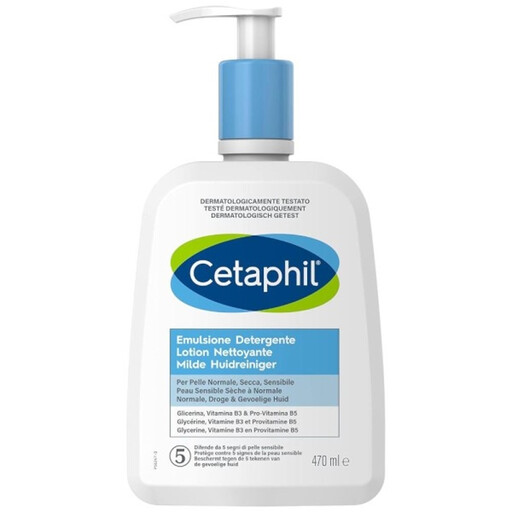
Why this product suits the profile: The large 470-ml size is practical for regular facial cleansing at home. The formula contains glycerin, panthenol and niacinamide, among other ingredients.
This choice focuses on simple cleansing for daily use rather than aggressive exfoliation or fragrance claims.
Generous fill volume; can be rinsed off with water or removed with a soft cloth, depending on your preference.
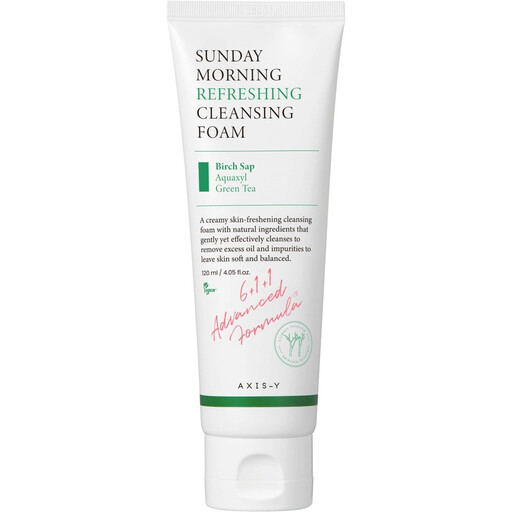
Why this product suits the profile: This cleansing foam has a stated pH of 5.5 and contains birch water, mugwort, glycerin and sodium hyaluronate, among other ingredients.
The stated pH makes it easier to assess than products that advertise themselves only as “mild” or “refreshing”.
Creamy foam; according to the product information, it is vegan-certified, cruelty-free and tested for skin irritation.
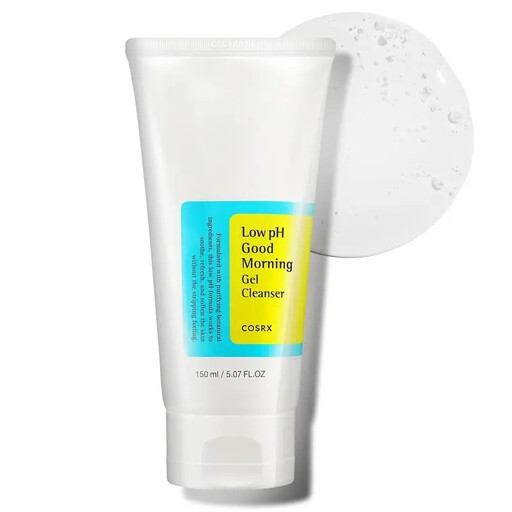
Why this product suits the profile: This Korean cleansing gel is aimed at shoppers who prefer a K-Beauty facial cleanser with a mildly acidic pH and gel-like texture.
The product information clearly states the mildly acidic pH range as well as betaine salicylate and tea tree oil.
Gel texture with gentle foaming action; designed for combination, oily and blemish-prone skin.
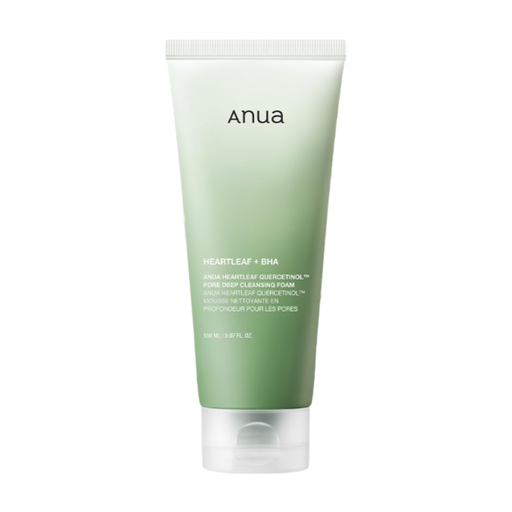
Why this product suits the profile: According to the product description, the formula contains heartleaf extract, panthenol, allantoin and salicylic acid, and is designed for oily, sensitive and blemish-prone skin.
This choice combines the advertised pore-cleansing benefits with clear guidance for sensitive skin and instructions to stop use if irritation occurs.
Fine foam; contains several forms of hyaluronic acid as well as panthenol and allantoin.
We have put together a complete, regularly updated list of products that fully meet these strict selection criteria and the safety regulations applicable in the EU.
If you have sensitive skin, test a new product on a small area first. If you experience stinging, itching, redness or a rash, stop using the product. If symptoms persist, seek medical or dermatological advice.
For many people, cleansing once in the evening is sufficient. It removes sweat, sebum, sun cream and environmental build-up. In the morning, depending on your skin type, water or a quick cleanse with a mild facial cleanser may be enough. Oily skin may tolerate morning cleansing better than very dry skin.
The best-before date, batch code and the open-jar symbol indicating the product’s period after opening on the packaging are the key points of reference. Store your facial cleanser in a dry, cool place away from direct sunlight. If its smell, colour or consistency changes, you should stop using the product.
No. Price alone says little about whether a cleanser will provide the right performance for you. Instead, check the pH value, surfactants, fragrances, active ingredients, fill volume and suitability for your skin type. A simply formulated cleanser may be better suited to your individual needs than a product containing numerous additional ingredients.