
Lieferung heute & morgen

Qualitätsgarantie

Willkommens-Angebote freischalten: KOSTENLOSE Lieferung | Bis zu 80 % RABATT | Kostenlose 30-Tage-JoyPlus-Testphase
App herunterladen
A facial cleanser is part of many people’s daily skincare routine. Even so, choosing the right one is not always easy: gels, foams, milks, exfoliating cleansers and Korean cleansers can differ considerably in their surfactants, pH value and active ingredients. A product that feels pleasantly thorough on oily skin may put unnecessary stress on dry or sensitive skin.
Marketing terms do not always lead directly to the right purchase either. The key factors are the specific INCI list, how the product is used and your individual skin condition.
A rich lather can make your skin feel clean, but on its own it says little about how well the product is tolerated. Harsh surfactants or a lengthy massage can leave your skin feeling tight after washing. This tight sensation is sometimes mistaken for especially thorough cleansing.
For daily facial cleansing, mild surfactant systems, a short contact time and lukewarm water are usually the more practical choice. If you have dry or sensitive skin, a mild facial cleanser without intense fragrances may be a sensible option.
A facial cleanser with salicylic acid, AHA, BHA or PHA may appeal to people looking to address excess sebum or rough skin texture. However, such a cleanser is not automatically suitable for daily use. Frequent exfoliation, vigorous rubbing and additional acid-based products can place unnecessary strain on the skin.
If you already use serums or exfoliants containing acids, consider your entire routine rather than combining several exfoliating products without careful thought.
A general skin-type claim is merely a guide. Essential oils, fragrances, alcohol or certain preservatives may cause problems for some people. Conversely, a moisturising facial cleanser is not automatically rich enough for very dry skin.
If you have sensitive skin, a patch test on a small area is recommended. If redness, burning or itching persists, stop using the product and seek medical advice if necessary.
A pH skin-neutral cleanser does not necessarily have a pH of exactly 7. The skin’s surface is usually slightly acidic. Products such as the Low pH Good Morning Gel Cleanser are marketed with a mildly acidic pH concept. When buying, check the specific product description and, where provided, the pH value.
The surfactants are also relevant. Coco-Betaine, Coco-Glucoside, amino acid surfactants and Sodium Cocoyl Isethionate are often used in mild cleansing formulations. However, how well a product is tolerated depends on the formula as a whole and on your individual skin.
Salicylic acid, AHA and PHA perform different functions within a formulation. For sensitive skin, a simple cleanser for sensitive skin without additional exfoliation is often the more straightforward option. If you choose an exfoliating product, follow the manufacturer’s guidance on frequency of use and monitor your skin’s response.
Also check the fill quantity, pack size, shelf life after opening and the full ingredients list on the packaging. Ingredients may change.
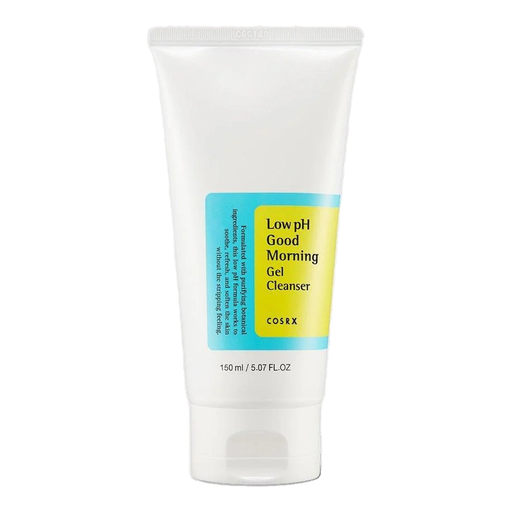
Why this product suits the profile: The compact 50ml size is ideal for trying out low-pH cleansing and for travelling.
The product description focuses on mild, low-intensity cleansing without a pronounced feeling of dryness.
Gel texture, low-pH concept and handy format.
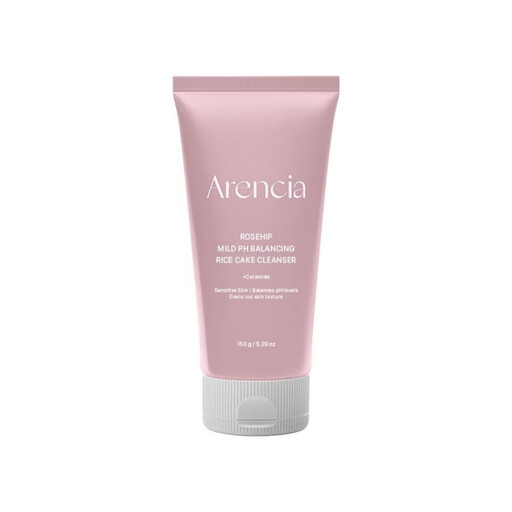
Why this product suits the profile: The formula combines an elastic texture with a pH-balanced cleansing concept and several moisturising ingredients.
The stated pH balance, along with Ceramide NP and panthenol, suggests a cleanser designed to do more than simply strip away oil.
150 g content, rice extract, squalane, Ceramide NP and hyaluronic acid complex.

Why this product suits the profile: For people with combination, oily or blemish-prone skin who want to incorporate salicylic acid into their cleansing routine in a targeted way.
The stated concentration of 0.5% salicylic acid makes the active ingredient clear. If your skin is sensitive, start using it gradually.
150 ml content, salicylic acid, tea tree oil and willow bark water according to the product details.
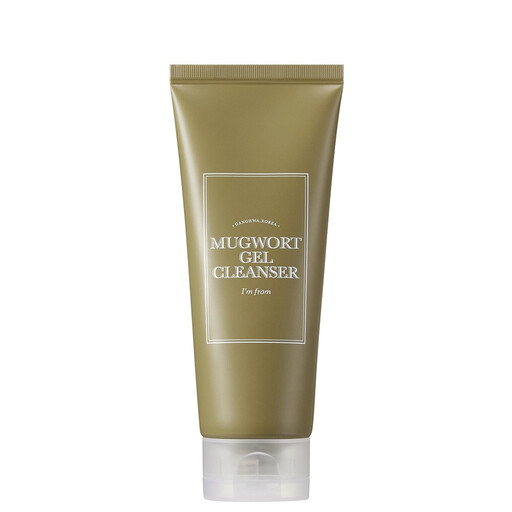
Why this product suits the profile: According to the product details, this Korean facial cleanser is described as vegan and has a gel texture for daily cleansing.
The description mentions 60% mugwort extract and states that the formula is free from silicones, parabens and mineral oil. The current packaging remains the definitive reference.
Marked as vegan, 150 ml content and gel-like application with lukewarm water.
We have put together a complete, regularly updated list of products that fully meet these strict selection criteria and the safety regulations applicable in the EU.
Wet your face and hands with lukewarm water. Place a small amount of product in your palms and spread it over your face without applying heavy pressure. For many products, massaging for around 30 to 60 seconds is sufficient. Then rinse thoroughly and gently pat your skin dry.
If you are wearing waterproof make-up or a highly adhesive sunscreen, a two-step cleansing routine may be useful. Even so, a cleanser for sensitive skin should not remain on the skin for longer than necessary.
For many people, cleansing in the morning and evening is sufficient. If you have dry or sensitive skin, rinsing with plain water in the morning and using a mild facial cleanser in the evening may be enough. The right frequency depends on your skin type, the climate, perspiration, sunscreen and make-up.
Salicylic acid is often used in products for oily or blemish-prone skin. However, it is not a cure and does not replace dermatological advice. Start by using it infrequently and do not immediately combine the cleanser with other acid-based products.
The printed best-before date and the open-jar symbol on the packaging are the key points of reference. Keep the product closed, dry and protected from direct sunlight. If its smell, colour or consistency changes, stop using the cleanser.