
Lieferung heute & morgen

Qualitätsgarantie

Willkommens-Angebote freischalten: KOSTENLOSE Lieferung | Bis zu 80 % RABATT | Kostenlose 30-Tage-JoyPlus-Testphase
App herunterladen
Clogged pores, blackheads and shiny skin often develop where sebum, make-up, sun cream and dead skin cells build up. The right facial cleanser for clogged pores can remove these residues without unnecessarily drying out the skin.
Many products promise “deep pore cleansing”. However, such claims are not always based on clear criteria. What really matters is the formula, how the product is used and whether it suits your skin type.
A product that foams heavily or leaves your skin feeling tight after washing has not necessarily cleaned it more thoroughly. With frequent use, harsh surfactants, alcohol or mechanical rubbing can place additional strain on dry and sensitive skin.
For oily skin, it makes sense to choose a cleanser that removes excess sebum and residue without permanently drying out the skin. With combination skin, it may also be helpful to cleanse the T-zone more thoroughly while taking a gentler approach on dry cheeks.
A cleansing oil for blackheads can dissolve oil-based residue such as foundation, waterproof sun cream and sebum. However, it only works reliably when applied to dry skin and then emulsified with a little water. The oil should turn milky before it is rinsed away.
If you skip the emulsifying step, a greasy film may remain on the skin. This is particularly inconvenient for blemish-prone skin.
Pores cannot be permanently “closed”. Their visible size can appear different when there is less surface sebum, a more even skin texture and a suitable skincare routine. Skincare for enlarged pores should therefore be assessed realistically: cleansing removes residue, but it does not replace a complete skincare routine.
A cleansing oil is particularly suitable as the first step in your evening routine when you need to remove make-up, sun cream or waterproof products. If needed, you can then follow with a water-based cleanser. This approach is often referred to as double cleansing.
A cleansing foam or gel, on the other hand, is suitable for a quick morning cleanse or as the second step. If you have sensitive skin, avoid massaging the foam in for too long.
When choosing a gentle facial cleanser for sensitive skin, it is worth checking the full INCI list. Fragrances, essential oils, alcohol or certain surfactants can be problematic for sensitive skin, although they should always be assessed on an individual basis.
Ingredients such as clay, calamine and salicylic acid are used in cleansers designed to remove excess sebum. Salicylic acid can exfoliate the skin’s surface, so it is not automatically suitable for every skin type. It should not be used on irritated or damaged skin.
A small 20 or 25 ml size can be practical for travelling, trying a product for the first time or keeping in your wash bag. For daily use, a 100 to 200 ml pack is generally easier to plan around.
Your cleansing routine should also suit your lifestyle: anyone who wears sun cream and make-up every day will need different cleansing properties from someone who only uses lightweight skincare products.
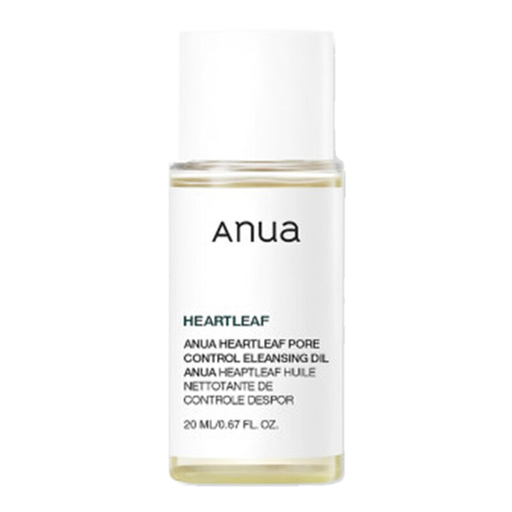
Why this product suits the profile: The compact 20 ml size is ideal for trying the product or taking it on holiday. According to the product description, the texture turns into a milky emulsion when mixed with water, making it suitable for a controlled evening routine.
Emulsifying is described as an essential step in the application process. This helps the oil rinse away more thoroughly than if it were removed directly without water.
Compact packaging, lightweight oil texture and plant oils according to the product information.
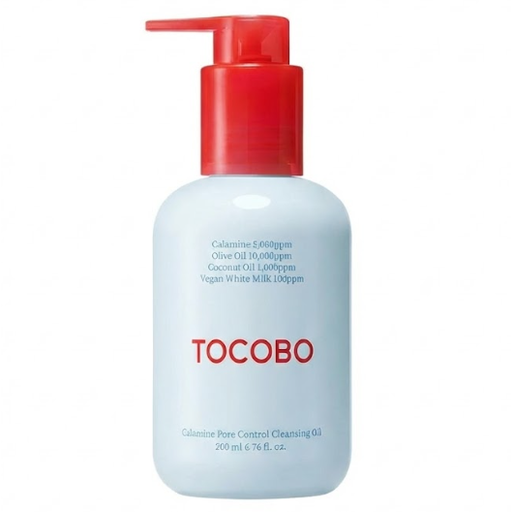
Why this product suits the profile: The 200 ml size is designed for regular use. According to the product information, the formula combines calamine with olive and coconut oils and is intended for various skin types.
The milky emulsion described addresses the common mistake of not combining cleansing oil sufficiently with water.
200 ml content, calamine according to the INCI list, and application to dry skin followed by emulsification.
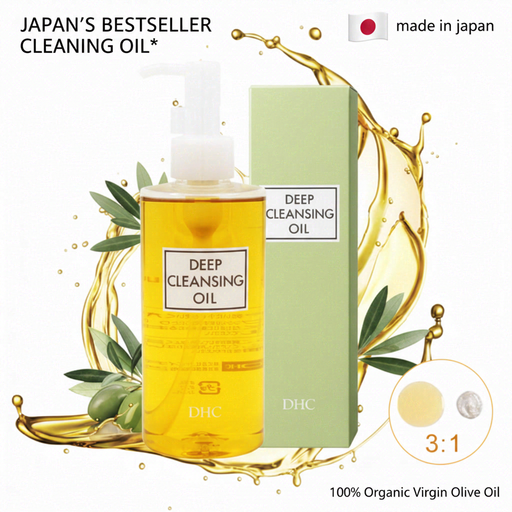
Why this product suits the profile: The 200 ml bottle is an appealing choice for frequent users who regularly want to remove waterproof make-up or sun cream. The recommended application uses 2 to 3 pumps, followed by emulsification.
The clear sequence of applying to dry skin, massaging, emulsifying and rinsing reduces the risk of leaving an oily film behind.
Olive oil, vitamin E and rosemary leaf oil are included in the stated INCI list.
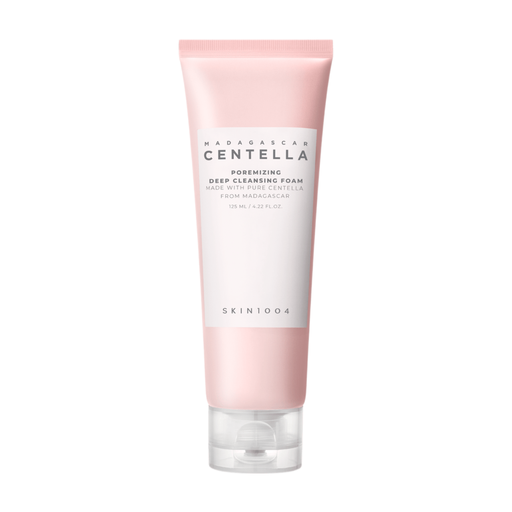
Why this product suits the profile: The cleansing foam is designed for daily facial cleansing and contains Centella asiatica extract according to the product information. It can be used as the second, water-based cleansing step.
Using a small amount of product and lukewarm water helps to avoid unnecessary, prolonged rubbing. However, if your skin is very dry or highly sensitive, you should still monitor how well it tolerates the product.
125 ml content, foaming texture and Centella asiatica extract according to the product description.
We have put together a complete, regularly updated list of products that fully meet these strict selection criteria and the safety regulations applicable in the EU.
If redness, stinging, itching or persistent irritation occurs, stop using the product. Cosmetic cleansing is not a substitute for dermatological assessment when skin problems are severe or keep recurring.
A lightweight, easily emulsifying cleansing oil can dissolve make-up, sun cream and sebum. A gentle foam or gel is suitable as the second step. The important thing is to avoid aggressively stripping the skin several times a day.
In most cases, using it in the evening is sufficient, particularly if you wear make-up or sun cream. Keep the massage brief and gentle. More frequent or prolonged rubbing does not automatically result in a more thorough cleanse.
The printed best-before date and the symbol showing the period after opening on the packaging are the key points of reference. Products should be stored closed, in a dry place and away from direct sunlight. If the smell, appearance or way it feels on your skin changes, stop using the product.