
Lieferung heute & morgen

Qualitätsgarantie

Willkommens-Angebote freischalten: KOSTENLOSE Lieferung | Bis zu 80 % RABATT | Kostenlose 30-Tage-JoyPlus-Testphase
App herunterladen
Clogged pores, a shiny T-zone and blackheads often lead people to look for a facial cleanser for clogged pores. But choosing one isn’t always straightforward: foaming cleansers, face washes, charcoal and BHA products can vary considerably in their ingredients, texture and how you use them.
A product that lathers well may feel especially thorough, but that doesn’t automatically make it a better fit for your skin. Harsh surfactants, alcohol, menthol or fragrance can feel uncomfortable on sensitive or blemish-prone skin. A tight feeling after washing isn’t a reliable sign that your skin has been cleansed more effectively.
You can’t permanently close pores or wash them away. Cleansed skin may look more even for a while, with excess sebum and residue removed. So claims such as “refines pores” should be understood as describing the appearance of your skin, not a lasting change to its structure.
BHA, AHA, PHA, charcoal, clay and plant extracts all serve different purposes. Combining several potentially irritating ingredients may make a product too intense for some skin types to use every day. What matters is the full INCI list, the instructions for use and how your skin responds.
There are various formulations to consider for cleansing blemish-prone skin:
Always check the INCI list on the packaging, as formulas and product information can change.
A classic face wash for blackheads is usually applied to damp skin and then rinsed off. Facial cleansing foam may come out of the pack ready-made as a mousse, or need to be lathered with water first. A dense lather can reduce direct friction, but it’s no substitute for using the product gently.
If you’re using a BHA facial cleanser or a product with exfoliating ingredients, follow the recommended frequency. Some formulas are intended for morning and evening use, while others are better suited to occasional deep facial cleansing. After using products with exfoliating ingredients, it may be a good idea to wear sun protection during the day, as your skin may be more sensitive to UV rays.
Compare more than just the price: check the amount in millilitres or grams and how often you plan to use the product. A 200 ml face wash may work out better value than a smaller specialist product if you use it every day. Also check for:
Stop using the product if you experience redness, stinging, swelling or persistent itching. If you have severe or recurring skin problems, seek advice from a dermatologist.
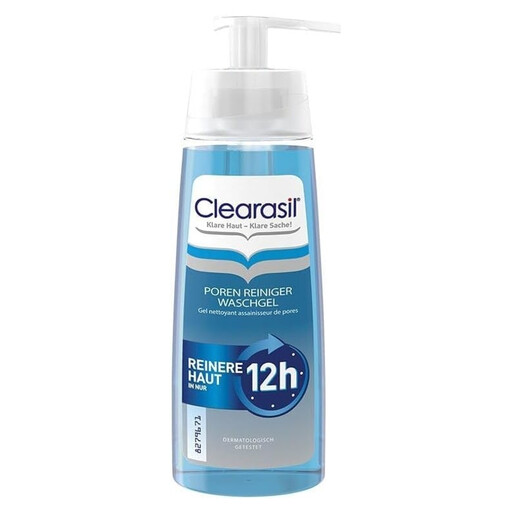
Why it suits this profile: This face wash comes in a 200 ml size and, according to the product information, is intended for normal, combination and oily skin. Apply it to damp skin in the morning and evening.
The instructions and pack size are clearly stated, making it easier to work out how you’ll use the product and how much you’re getting before you buy.
Gel texture, 200 ml size and a product focus on pore cleansing.
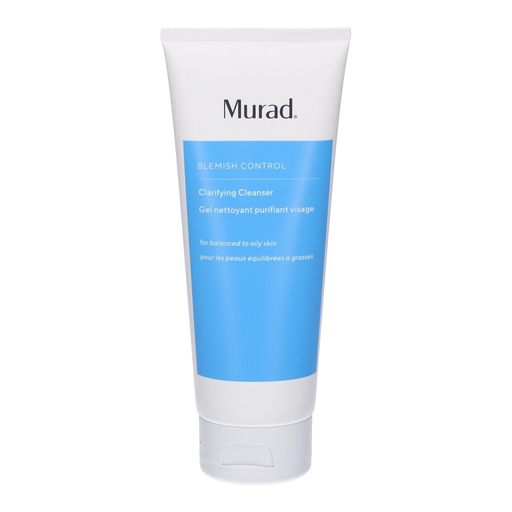
Why it suits this profile: The product information lists salicylic acid, glycerin, urea and other humectants. The cleanser is listed as suitable for combination and oily skin.
The INCI list and directions make it clear that this is a BHA facial cleanser, rather than an everyday face wash.
148 ml size, gel texture and stated suitability for oily and blemish-prone skin.
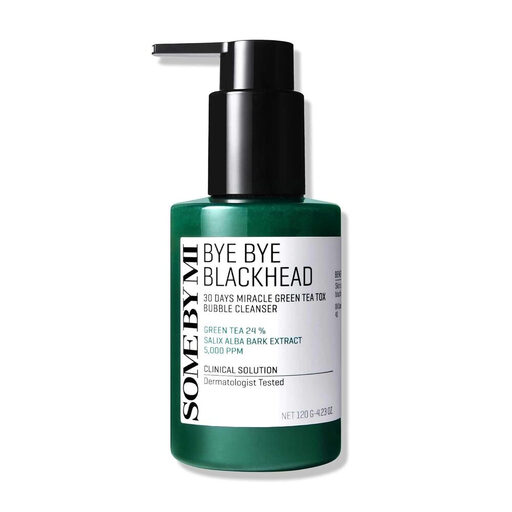
Why it suits this profile: This product is described as targeted pore care with a gel-to-foam texture. It’s also suggested for use two to three times a week as a more intensive option.
The instructions distinguish between daily cleansing and occasional use as a bubble mask. This helps you avoid assuming that a more intensive product should automatically be used more often.
Gel-to-microfoam texture, green tea water and a stated plant-based source of BHA from willow bark extract.
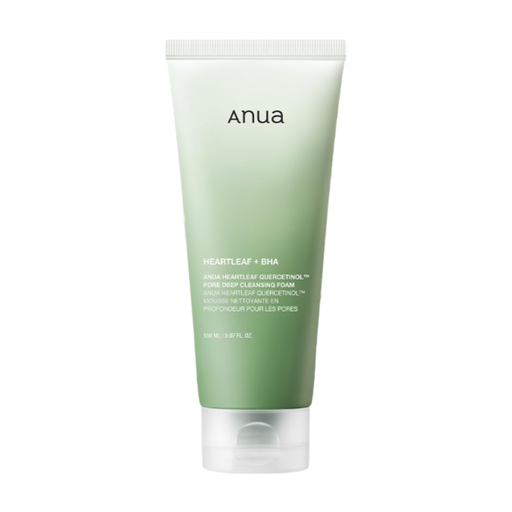
Why it suits this profile: According to the product description, this cleansing foam is intended for sensitive, oily and blemish-prone skin. The listed ingredients include panthenol and allantoin.
The product information describes a fragrance-free, alcohol-free and sulphate-free formula. Check the actual INCI list on the packaging before use.
150 ml size, creamy foam texture, and salicylic acid plus several forms of hyaluronic acid according to the listed INCI.
We’ve put together a complete, regularly updated list of products that meet these strict selection criteria and fully comply with the safety regulations in force in the EU.
Depending on your skin type, you can use a gentle cleanser in the morning and evening. For products containing BHA, AHA, PHA or exfoliating particles, follow the manufacturer’s specific instructions. If you have sensitive skin, start by using the product less often and see how your skin responds.
A cleansing foam can remove sebum, dirt and residue from the surface of your skin. However, blackheads aren’t caused solely by surface dirt. The right cleanser can support your daily skincare routine, but it won’t necessarily get rid of every blemish for good.
For a regular face wash, a brief, gentle massage followed by a thorough rinse is usually enough. Specialist products such as bubble cleansers or exfoliating gels may have different recommended leave-on times. Follow the instructions on the packaging and avoid rubbing too hard.