
Lieferung heute & morgen

Qualitätsgarantie

Willkommens-Angebote freischalten: KOSTENLOSE Lieferung | Bis zu 80 % RABATT | Kostenlose 30-Tage-JoyPlus-Testphase
App herunterladen
Spots, blackheads and shiny skin can quickly lead to overblown promises when you're searching for the right product. As Joybuy Product Recommendation Officer, I filter the key information using clear, traceable criteria: ingredients, skin type, usage and warnings. A facial cleanser can remove dirt, excess sebum and make-up, but it does not replace dermatological treatment. If you have painful, inflamed or persistent skin changes, it's worth seeking medical advice.
If your skin feels very dry or tight after washing, that's not automatically a sign of a suitable facial cleanser for oily skin. Harsh surfactants, frequent washing or hot water can put unpleasant stress on your skin. For daily use, a mild facial cleanser for acne-prone skin is usually the more practical choice.
Salicylic acid, zinc, niacinamide or plant extracts are common ingredients in a facial cleanser with salicylic acid. However, with a rinse-off product, what matters is how it's formulated and how long it stays on your skin. Claims like "removes acne" or "definitely prevents new spots" should be viewed critically. Product claims are not a guarantee of medical efficacy.
A pore cleanser can remove residue and excess sebum from the skin's surface. The visible effect on pores, however, depends on your skin type, lighting, skincare routine and daily condition. Even a blackhead remover in the form of a cleansing product should not be confused with manual extraction, as rubbing and pressing can further irritate the skin.
For oily or blemished skin, light gel, foam or micellar textures are often straightforward to use. If you regularly experience stinging or significant dryness after cleansing, choose a milder product and initially limit use to once a day.
Pay attention to the manufacturer's specific skin type recommendation: oily, combination, sensitive or blemish-prone. A sebum-regulating facial cleanser should not be chosen based on marketing claims alone, but on tolerability and the full INCI list.
Salicylic acid is used in many formulations for cleansing blemished skin. Other common ingredients include glycerin to support a pleasant skin feel, zinc compounds or soothing ingredients like panthenol and liquorice root.
Also check whether fragrances, essential oils, menthol or alcohol are included. These ingredients are not unsuitable in principle, but can be relevant for sensitive or irritated skin. The current ingredient list on the packaging takes precedence, as formulations can change.
A cleansing foam for spots is typically applied to damp skin and then rinsed off thoroughly. Micellar products can be used without water, depending on the manufacturer's instructions. Important points to remember:
For products containing salicylic acid or exfoliating ingredients, you should also use a suitable sunscreen during the day.
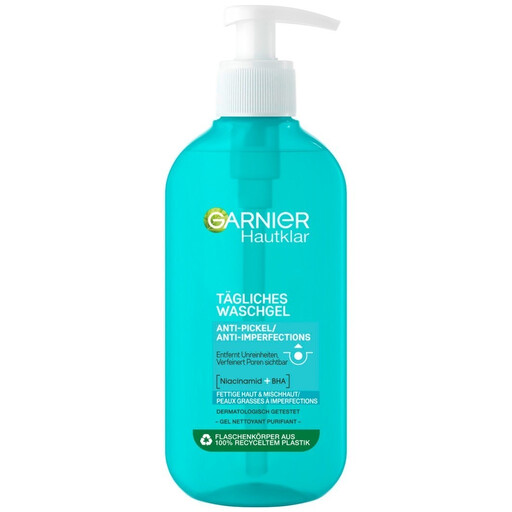
Why this product suits the profile: The 200 ml size and daily use make this cleanser appealing for beginners looking for a classic anti-spot facial cleanser with salicylic acid and zinc.
The ingredient list specifically names salicylic acid and zinc. This makes it easier to verify your choice compared to a generic "cleansing against blemishes".
200 ml content, gel cleanser and declared salicylic acid in the INCI list.
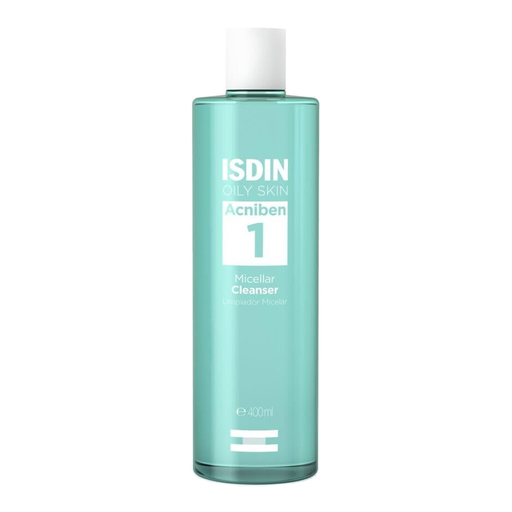
Why this product suits the profile: The micellar cleanser is ideal for users who want to cleanse their face and remove make-up in one step, and prefer a no-rinse application.
The product description clearly states the water-free application and liquid texture. This prevents false expectations of a classic foaming cleanser.
400 ml content, micellar formula and water-free use according to product details.
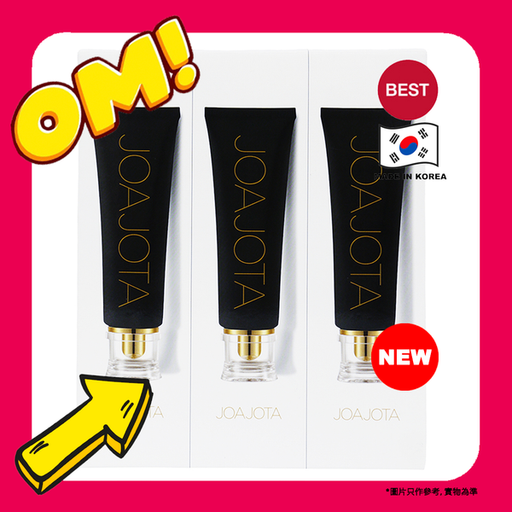
Why this product suits the profile: The three-pack is ideal for regular users who want to stock up on daily facial cleanser and are interested in charcoal and amino acid surfactants.
The pack size is clearly stated. Buyers can check the supply and daily usage rather than just focusing on terms like "pore control".
Three tubes of 120 ml each, plus foam texture and charcoal according to the product description.
We've put together a complete, regularly updated list of products that fully meet these strict selection criteria and the safety regulations in force in the EU.
That depends on the formula and your skin's tolerance. Many products are intended by the manufacturer for morning and evening use. For dry, sensitive or irritated skin, using it once in the evening may be more sensible. New products should be introduced carefully at first.
This can only be estimated based on quantity and dosage. For 150 to 200 ml, the duration depends on whether the product is used once or twice daily and how much is needed per application. For a three-pack like the JOAJOTA product, you should also follow the storage recommendations on the packaging.
No. Salicylic acid can be beneficial for oily or blemish-prone skin, but it is not automatically suitable for every skin type. Extra caution is needed with sensitive, broken or irritated skin. Follow the manufacturer's instructions and stop use if you experience any discomfort.