
Lieferung heute & morgen

Qualitätsgarantie

Willkommens-Angebote freischalten: KOSTENLOSE Lieferung | Bis zu 80 % RABATT | Kostenlose 30-Tage-JoyPlus-Testphase
App herunterladen
Spots, blackheads and shiny skin do not automatically require a complicated skincare routine. Choosing a facial cleanser is often the first step: it removes excess sebum, sun cream and make-up residue without unnecessarily irritating the skin. When looking for a facial cleanser for spots, the priority should therefore not be an abundance of product claims, but a clear formulation and suitable application.
If your skin feels very dry or tight after washing, this is not a reliable sign that it has been cleansed particularly intensively. Harsh surfactants, hot water or rubbing for too long can put strain on the skin barrier. For daily facial cleansing, it makes sense to choose a product that removes dirt and excess oil without leaving your skin feeling persistently uncomfortable.
A salicylic acid facial cleanser may be of interest to people with oily skin and blocked pores. However, the concentration, the other ingredients and the contact time are all important. A wash-off product is rinsed off after application, so its effect cannot be compared directly with that of a leave-on product. If your skin is sensitive or irritated, test its compatibility on a small area first.
Terms such as “Deep Cleansing”, “pore cleansing” or “for blemishes” initially describe a product characteristic or marketing position. Mechanical scrubbing, frequent exfoliation and using several acid products at the same time can place unnecessary stress on the skin. A pore-cleansing face wash should therefore suit your individual skin needs and should not be chosen solely based on the marketing claim on the packaging.
When choosing an acne cleansing gel or a face wash for acne-prone skin, check the complete ingredients list on the packaging. Salicylic acid is often used for blemished, oily skin. Other common ingredients include glycerin, which helps support a comfortable skin feel, and surfactants, which remove dirt and sebum.
Essential oils and fragrances can be problematic for some people. For example, the brand’s product information lists tea tree oil and lemon peel oil. According to the supplier, the product is suitable for all skin types, but it also advises carrying out a compatibility test if you are sensitive to essential oils.
For oily skin, a gel containing cleansing surfactants and, where appropriate, salicylic acid may be suitable. For sensitive or dry skin, however, important points to check include a mild cleansing base, a low fragrance content and moisturising ingredients. “For all skin types” is a general manufacturer’s claim and does not replace an individual compatibility test.
Most of the products considered here are applied to damp skin, gently massaged in and rinsed off with lukewarm water. Using them in the morning and evening is a common manufacturer recommendation. Nevertheless, when trying a new product, it is sensible to start by using it once a day and monitor your skin.
Also look out for:
When it comes to cleansing for blackheads, patience is also needed. A face wash can support the daily removal of sebum and residue, but persistent or pronounced skin problems should be discussed with a dermatologist.

Why this product suits this profile: The 150 ml size and clearly listed ingredients make it easier to get started with a simple cleansing routine for combination, oily or blemish-prone skin.
The product information specifies 0.5% salicylic acid and includes clear warnings. This makes it easier to base your choice on your own skin’s tolerance rather than simply following a general “deep cleansing” promise.
Salicylic acid, glycerin and tea tree oil are listed in the product information; the face wash is recommended for use on damp skin.
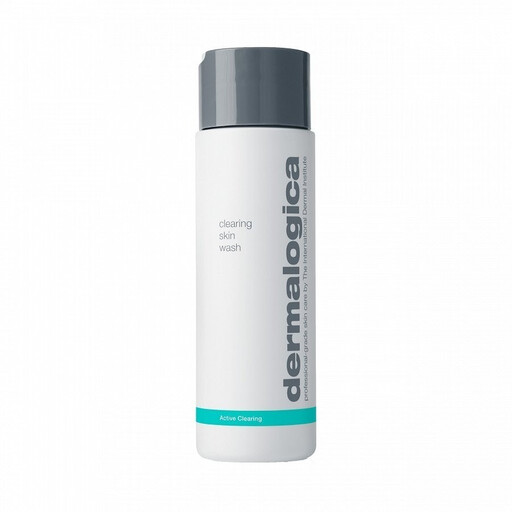
Why this product suits this profile: The 250 ml bottle is suitable for people who use a face wash regularly and compare INCI lists in detail before buying.
The information lists salicylic acid and states that the formula is free from sulphates, alcohol, parabens and fragrances. At the same time, people with sensitive skin should also consider botanical extracts and their individual allergies.
250 ml content, gel texture and a formula containing salicylic acid; according to the product description, it is vegan and free from added fragrances.
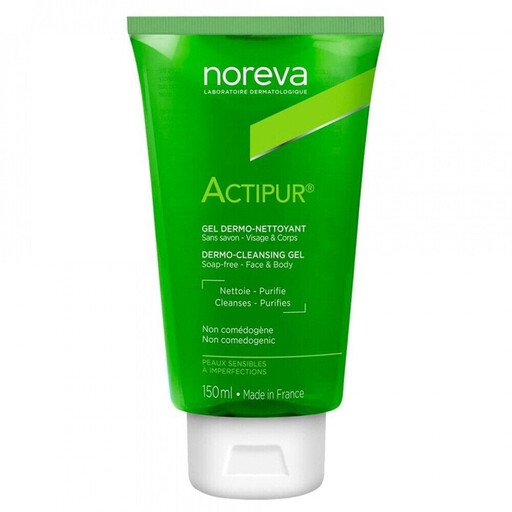
Why this product suits this profile: The soap-free gel texture is specified for use on the face and body and is designed for oily, blemish-prone and sensitive skin.
The formula is described as soap-free and free from AHAs. This may appeal to people looking for cleansing for blackheads while wishing to avoid additional acid exfoliants.
150 ml content, a soap-free cleansing base and use on the face and body; the product information also lists zinc as an ingredient in the formula.
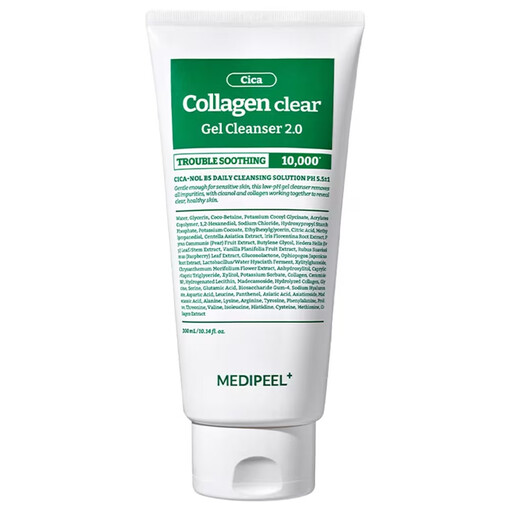
Why this product suits this profile: The formula is designed for gentle daily cleansing and contains glycerin, Centella asiatica extract, panthenol and ceramides, among other ingredients.
According to the product information, it does not rely on salicylic acid or strong exfoliation claims. This makes it a useful comparison option for people who want to avoid irritation caused by using too many active products.
120 ml content, gel texture and several moisturising or skin-conditioning ingredients, including glycerin, ceramides NP and hyaluronate.
We have put together a complete, regularly updated list of products that fully meet these strict selection criteria and the safety regulations applicable in the EU.
When using a salicylic acid facial cleanser, avoid introducing several highly exfoliating products into your routine at the same time. Stop using the product if you experience burning, persistent redness, itching or a rash. According to the relevant guidance, products containing salicylic acid are not intended for children under three years of age.
Many manufacturers recommend using one in the morning and evening. If your skin is sensitive, starting slowly with once-daily use may be sensible. The key question is whether your skin remains calm and comfortable after washing.
Not necessarily. Suitability depends on the complete formula and your individual skin tolerance. If your skin is dry, irritated or very sensitive, check the ingredients list particularly carefully and carry out a compatibility test first.
The information on the packaging is decisive. The PAO symbol—for example, an open-jar symbol showing a number of months—indicates the recommended period of use after opening. You should also check the batch number and expiry date.