
Lieferung heute & morgen

Qualitätsgarantie

Willkommens-Angebote freischalten: KOSTENLOSE Lieferung | Bis zu 80 % RABATT | Kostenlose 30-Tage-JoyPlus-Testphase
App herunterladen
Choosing a facial cleanser can quickly feel overwhelming. The market is vast, and marketing claims often sound too good to be true. Many products leave your skin feeling tight, stripped, or can even worsen existing skin concerns. As your Joybuy Product Recommendation Officer, I'm here to help you understand the key criteria for making an informed choice that's perfectly suited to your skin type.
Before we dive into recommendations, let's look at three common pitfalls that often lead to a bad purchase:
To find the right facial cleanser, you should focus on objective, technical features rather than marketing messages. Two parameters are crucial here.
Surfactants are the cleansing agents that lift dirt and oil from the skin. Their quality is the most important factor in a cleanser's tolerability.
The pH level is just as important. The skin's surface has a slightly acidic pH of around 5.5. A cleanser should be close to this value to preserve the skin's natural acid mantle.
Once the base is right, the active ingredients come into play. They should be specifically chosen to address your unique skin concerns.
Based on the criteria above, we have identified several products that are particularly well-suited for specific user profiles.
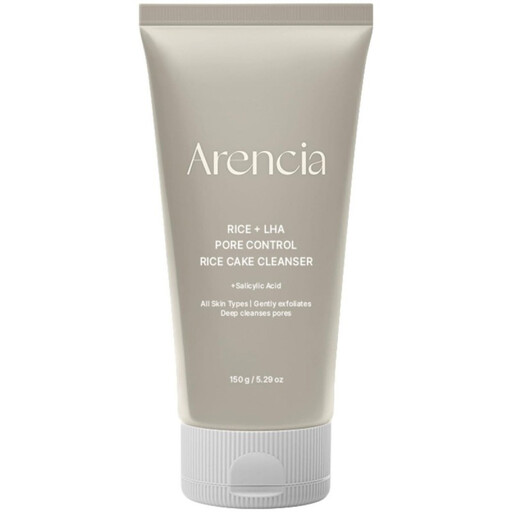
Why This Fits Their Persona: Suitable for users struggling with blackheads, excess sebum, and enlarged pores. Its unique texture and gentle exfoliating action will especially appeal to fans of Korean skincare looking for effective yet non-irritating solutions.
Instead of harsh exfoliating particles, this cleanser uses LHA, a gentle, fourth-generation acid that dissolves sebum without damaging the skin barrier. The "rice cake" texture clings to impurities and removes them thoroughly.
A 3-in-1 formula that works as a cleanser, exfoliant, and mask. The combination of brightening Rice Extract and pore-clearing LHA visibly refines skin texture.
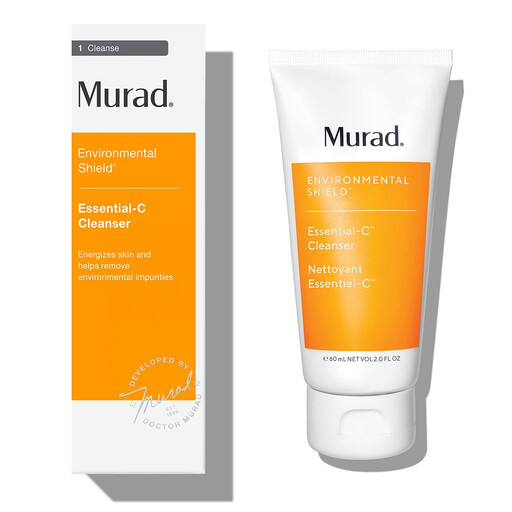
Why This Fits Their Persona: Designed for people whose skin looks dull and tired due to urban environmental stressors like particulate matter and pollution. This cleanser goes beyond simple cleansing to offer active protection against free radicals.
It avoids the single-ingredient trap by using a potent complex of multiple antioxidants that work synergistically to protect the skin from environmental damage while rehydrating it.
The formula contains a patented complex of Vitamins A, C, and E to neutralise free radicals. Allantoin and Panthenol provide soothing and hydrating benefits.
We've compiled a complete, up-to-date list of products that fully meet these strict selection criteria and all relevant safety regulations.
Generally, cleansing twice a day is recommended: in the morning to remove oil and sweat produced overnight, and in the evening to remove makeup, sunscreen, dirt, and pollutants from the day. For very dry or sensitive skin, it may be sufficient to cleanse thoroughly only in the evening and simply rinse with lukewarm water in the morning.
A cleansing gel typically has a lighter, gel-like consistency, lathers more, and is ideal for normal to oily or blemish-prone skin, as it leaves a very refreshing feeling. A cream cleanser is richer, creamier, and foams less. It often contains more lipid-replenishing and moisturising ingredients, making it an excellent choice for dry, mature, or sensitive skin.
The double cleansing method, which originates from Asian skincare, is highly recommended if you wear makeup or water-resistant sunscreen.