
Lieferung heute & morgen

Qualitätsgarantie

Willkommens-Angebote freischalten: KOSTENLOSE Lieferung | Bis zu 80 % RABATT | Kostenlose 30-Tage-JoyPlus-Testphase
App herunterladen
The market for facial cleansers is overwhelming. Promises of pore-deep purity and flawless skin are everywhere, but the reality is often quite different. Many users find that a newly purchased product doesn't deliver the expected results, or even makes skin problems worse. This is often due to common misconceptions fuelled by clever marketing.
Two common pitfalls repeatedly lead to unsuitable purchases:
To make an informed decision, it helps to understand a few key parameters that determine the quality and suitability of a facial cleanser.
An effective facial cleanse doesn't depend on price or marketing promises, but on the product's composition. Three factors are of central importance.
Surfactants are the active cleansing agents that lift dirt, oil, and makeup residue from the skin. Their type and concentration determine how gentle a product is.
The skin's surface naturally has a slightly acidic pH of around 5.5. This acid mantle is a crucial barrier against unwanted microorganisms and protects against moisture loss. A facial cleanser should ideally have a pH in this neutral to slightly acidic range. Products with a high (alkaline) pH, like many traditional bar soaps, can temporarily disrupt this protective layer, making the skin more prone to dryness.
Modern cleansers can do more than just clean. Targeted active ingredients address specific skin needs.
Based on these objective criteria, we have identified products that are suitable for different user profiles and their specific requirements.
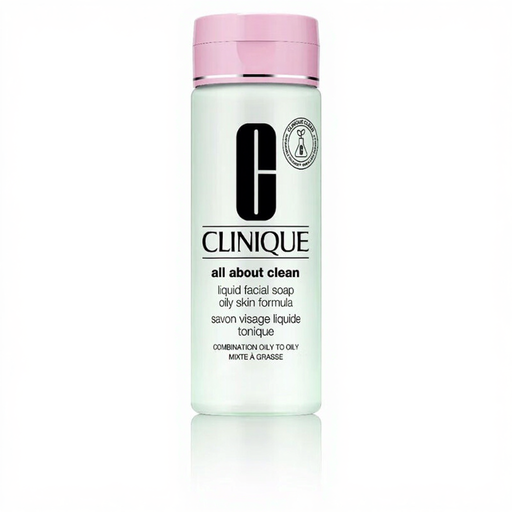
Why it's a good fit: This liquid facial soap is specially formulated to meet the needs of skin prone to oiliness and shine. It aims to balance sebum levels without drying out the skin.
The product avoids the "one-size-fits-all" trap by being clearly positioned for a specific skin type—oily skin—and offering a targeted solution.
The formula helps maintain the skin's natural balance without causing tightness. It is also fragrance-free.
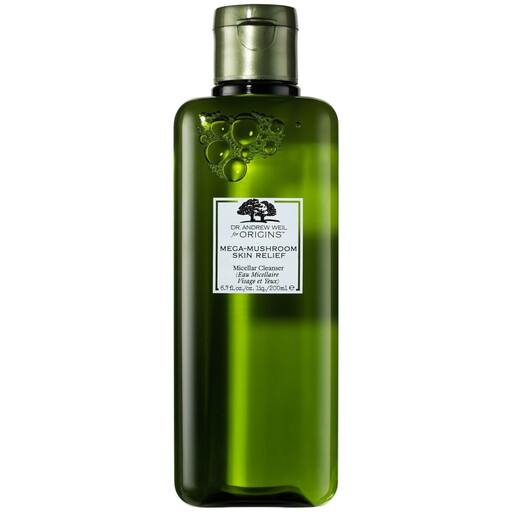
Why it's a good fit: Ideal for users prone to redness and irritation. The micellar technology cleanses without water, minimising mechanical friction on the skin.
The soap- and alcohol-free formula avoids the trap of harsh ingredients. Its micellar technology cleanses gently without attacking the acid mantle.
The no-rinse formula contains soothing ingredients like the Mega-Mushroom complex. It gently removes makeup and impurities.
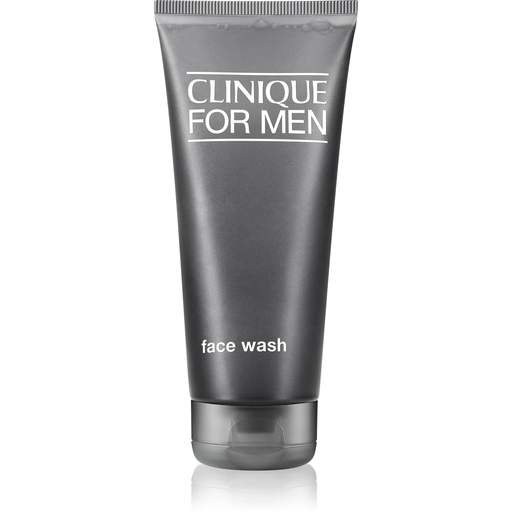
Why it's a good fit: This face wash addresses the specific needs of men's skin, which is often stressed by daily shaving. It is designed for normal to dry skin.
Instead of a generic, potentially drying product, this cleanser offers a targeted solution that cleanses while preparing the skin for shaving.
Effectively cleanses without stripping moisture and softens beard hair, allowing for a smoother shave. The formula is fragrance-free.
We have compiled a complete, up-to-date list of products that meet these strict selection criteria and comply with current regulations.
As a rule, cleansing twice a day—morning and evening—is recommended. In the morning, it removes sebum, sweat, and dead skin cells produced overnight and prepares the skin for your daytime routine. In the evening, cleansing is essential to remove makeup, sunscreen, dirt, and pollutants from the day, allowing the skin to regenerate overnight.
The products differ mainly in texture and application, making them suitable for different skin types and preferences:
A thorough facial cleanse that is appropriate for your skin type is the absolute foundation for clear skin and acts as an important pore cleanser. It removes the build-up that leads to blemishes, such as excess sebum and dirt. However, for stubborn or inflammatory blemishes, cleansing is only the first step. A comprehensive skincare routine that includes serums, creams, and, if necessary, specialised treatments is required for long-lasting results.