
Lieferung heute & morgen

Qualitätsgarantie

Willkommens-Angebote freischalten: KOSTENLOSE Lieferung | Bis zu 80 % RABATT | Kostenlose 30-Tage-JoyPlus-Testphase
App herunterladen
A facial cleanser is part of many people’s daily skincare routine in Germany. Even so, choosing the right product often leads to disappointing purchases: one cleanser may foam heavily but leave your skin feeling tight, while another promises hydration yet contains fragrances that sensitive skin may not tolerate well. The label “for all skin types” is not a reliable indication of individual suitability either.
As a Joybuy Product Recommendation Officer, I filter the most important product features and show you what to look for in a facial wash, cleansing milk or cleansing gel.
A lot of foam does not automatically mean a better facial cleanser. The surfactants used, the contact time and how well your skin tolerates the formula are what matter. Very intensive cleansing can cause an uncomfortable tight feeling, particularly on dry or sensitive skin.
A hydrating facial cleanser may contain glycerine, panthenol or hyaluronic acid. However, as it is rinsed off after a short time, it does not replace subsequent skincare. Check whether the formula also contains mild cleansing agents and whether fragrances or essential oils are listed.
A facial cleanser containing salicylic acid, AHA, BHA or PHA may be worth considering for oily or blemish-prone skin. However, these ingredients are not a licence for frequent scrubbing or using the product several times a day. If your skin is sensitive, irritated or damaged, it is best to avoid acid-based products initially.
A low-pH facial cleanser is formulated around a mildly acidic pH range. Ideally, the specific pH value should be stated by the manufacturer; the label alone is not proof of quality. Amino-acid-based surfactants, betaine and Sodium Cocoyl Isethionate are often used in milder formulations.
When choosing a facial cleanser with hyaluronic acid, you should also distinguish between different forms of hyaluronic acid. An INCI list may include Sodium Hyaluronate or Sodium Acetylated Hyaluronate, for example. Simply naming the active ingredient does not indicate a specific cosmetic effect.
For daily use, 100 to 200 ml or grams is standard. A 40 or 50 ml product, on the other hand, may be useful as a travel size or for trying a product carefully. Check the following before buying:
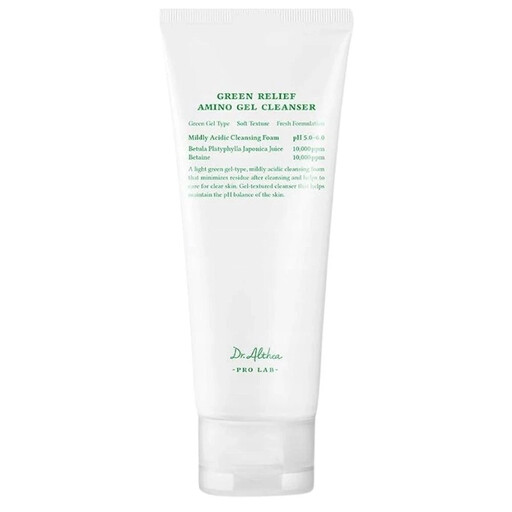
Why this product suits the profile: According to the INCI list, this cleansing gel contains Sodium Lauroyl Glutamate and Sodium Cocoyl Glutamate, along with glycerine, panthenol and Sodium Hyaluronate.
The product description clearly identifies the cleansing agents and caring ingredients. Check the current packaging, as ingredients may vary.
Amino-acid-based surfactants, 100 ml content and a gel-like texture.
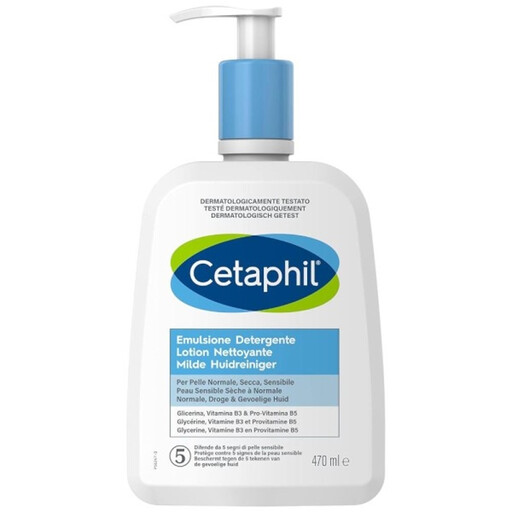
Why this product suits the profile: The large 470 ml bottle is designed for households or a consistent morning and evening routine. The product information lists glycerine, panthenol and niacinamide.
The formula is free from the acid-based exfoliating effects often promoted in product descriptions. This makes it easier to distinguish cleansing from a separate exfoliating treatment.
470 ml content, plus the option of rinsing off the product or removing it with a soft cloth, according to the directions for use.
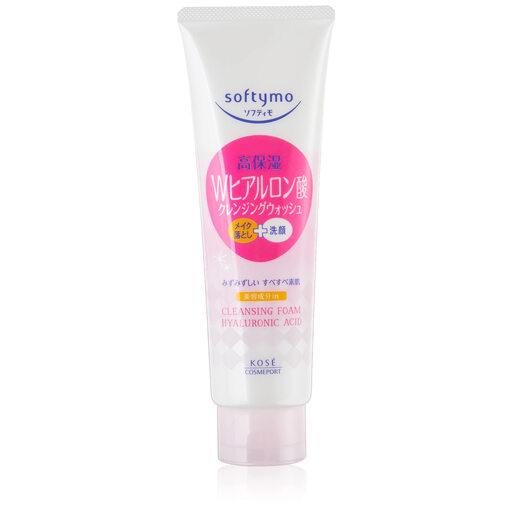
Why this product suits the profile: According to the product information, this Japanese facial cleanser contains Sodium Hyaluronate, Sodium Acetylated Hyaluronate and glycerine. The 190 g size is suitable for regular use.
The hydrating ingredients are clearly listed in the ingredients list. Even so, a patch test is recommended for sensitive skin.
Two listed hyaluronic acid derivatives, creamy foam and 190 g content.
Moisten your face and hands with lukewarm water. Apply a small amount of product and massage it in without applying strong pressure. Avoid the eye area and any damaged skin. Rinse thoroughly and pat your face dry. If using an acid-based product, follow the manufacturer’s instructions on how often to use it. Redness, burning or persistent itching are signs that you should stop using the product.
We have put together a complete, regularly updated list of products that fully meet these strict selection criteria and the safety regulations applicable in the EU.
Many routines include cleansing in the morning and evening. If your skin is dry or sensitive, using a cleanser less frequently may feel more comfortable. Your skin’s response, the product instructions and your individual tolerance are the key factors.
Check the best-before date or PAO symbol on the packaging. Once opened, the product should be used within the stated number of months. Changes in smell, colour or consistency are signs that you should stop using it.
No. Salicylic acid may be useful for certain skin needs, but it is not automatically suitable for sensitive, irritated or dry skin. Check the concentration, warnings and the rest of your skincare routine. If you are unsure, consulting a dermatologist may be advisable.