
Lieferung heute & morgen

Qualitätsgarantie

Willkommens-Angebote freischalten: KOSTENLOSE Lieferung | Bis zu 80 % RABATT | Kostenlose 30-Tage-JoyPlus-Testphase
App herunterladen
A facial cleanser is part of many people’s daily skincare routine. Yet choosing one can often lead to disappointing purchases: one product lathers well but leaves your skin feeling uncomfortably tight; another facial cleansing foam promises pore care but contains fragrances or exfoliating acids that may not suit every skin type.
If you’re looking to buy a Korean or Japanese facial cleanser in the UK, it’s worth focusing less on marketing claims and more on skin type, ingredients, pH level and how to use it.
A facial cleanser for blemish-prone skin or a pore-cleansing face wash may contain ingredients that are more effective at removing oil or exfoliating the skin. That isn’t automatically a problem, but intensive cleansing isn’t right for every skin type or necessarily needed every time you wash your face. If your skin is sensitive or dry, washing too often can feel uncomfortable.
A generous, foamy texture is mainly about how a product feels to use. What matters is the type of surfactants it contains, how long you leave it on your skin, and whether it effectively rinses away dirt, sun cream and excess sebum. A gentle facial cleanser may therefore be a better choice than a formula that produces a particularly rich lather.
Salicylic acid, clay, activated charcoal and plant extracts all sound impressive. But it’s the specific formula that matters. If a product contains salicylic acid, you should also check how often it’s intended to be used and whether you’re already using other acids or potentially irritating skincare products. Always check the current ingredients list on the packaging, as formulas can change.
A pH-balanced facial cleanser doesn’t have to have a pH of exactly 7. The skin’s natural protective barrier is slightly acidic, so products with a stated pH of around 5 to 6 are often described as gentle or mildly acidic. However, pH alone doesn’t prove a product is high quality: the type of surfactant, any fragrance and the overall formula can all affect how well it suits your skin.
Before you buy, check:
The recommendations below are grouped according to clear product characteristics. They are not a medical assessment.
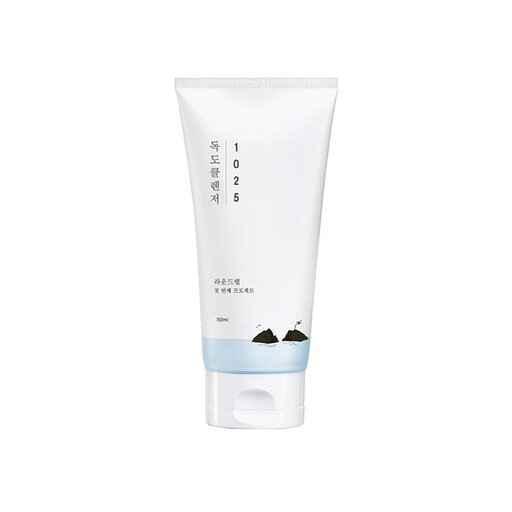
Why it suits this profile: The 150 ml size and the gentle cleansing base described make it a good option if you’re looking for a straightforward daily facial cleanser.
The product description focuses on gentle cleansing and maintaining skin’s moisture, rather than relying solely on ‘deep cleansing’ claims.
150 ml; according to the product information, it contains glycerin, panthenol and mild surfactants.
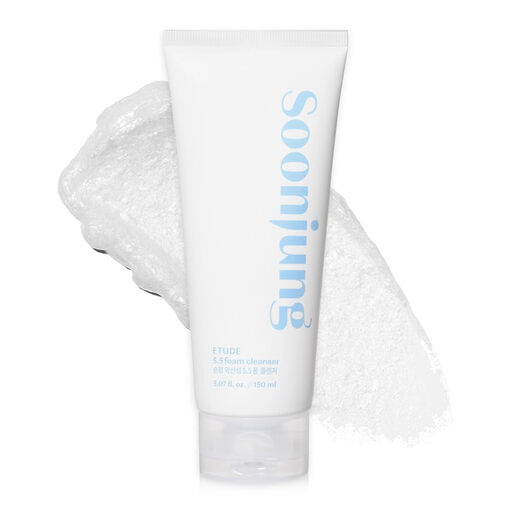
Why it suits this profile: The stated pH of 5.5 and the absence of added fragrance, according to the product description, will appeal if you choose your skincare routine with these criteria in mind.
This recommendation is based on a specific pH value and a verifiable ingredients list, rather than a general claim such as ‘gentle’ alone.
pH 5.5 according to the product information; 150 ml; panthenol and madecassoside are listed in the INCI.
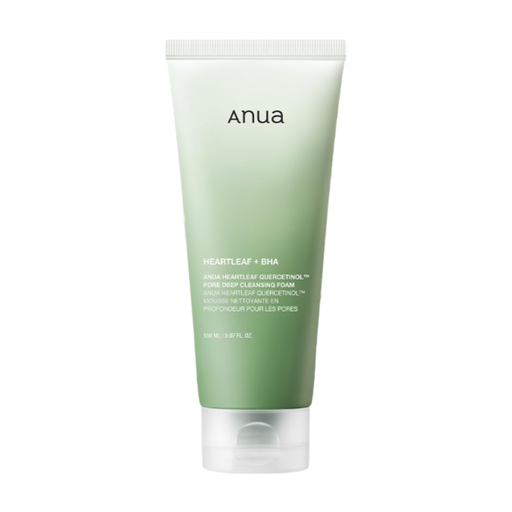
Why it suits this profile: Its creamy foam, clear focus on pore cleansing and 150 ml size make it a good option for people with oily or blemish-prone skin.
Alongside pore care, the product specifies ingredients such as heartleaf extract, panthenol and allantoin. The ingredients list also includes fragrance, which is worth bearing in mind if you have sensitive skin.
150 ml; according to the product information, it contains heartleaf extract, panthenol and allantoin; salicylic acid is listed in the INCI.
We’ve put together a complete, regularly updated list of products that meet these strict selection criteria and fully comply with the safety regulations in force in the EU.
Apply a small amount of product to wet hands and work it into a lather first. Gently massage the foam over your face for around 30 to 60 seconds, without pressing hard. Avoid the eye area. Rinse thoroughly with lukewarm water, then pat your skin dry.
If you’re using a cleanser for spots or a product containing acids, it’s a good idea to start by using it less frequently. Stop using the product if you experience stinging, redness or itching. If skin problems persist, seek advice from a dermatologist.
For many people, using a cleanser in the evening is enough. An extra cleanse may be useful after heavy sweating or if you’ve used a lot of products. Sensitive or dry skin may react to cleansing too often.
The country of origin alone doesn’t determine whether a product is right for you. Korean and Japanese products vary in their formulas, surfactants, fragrances, stated pH levels and active ingredients. So compare the INCI list and the directions for use.
That depends on how much you use each time and how often you cleanse. Facial cleansing foam usually only requires a small amount per use, so a 150 ml pack could last several weeks with daily use. However, it’s not possible to give an exact estimate for everyone.